


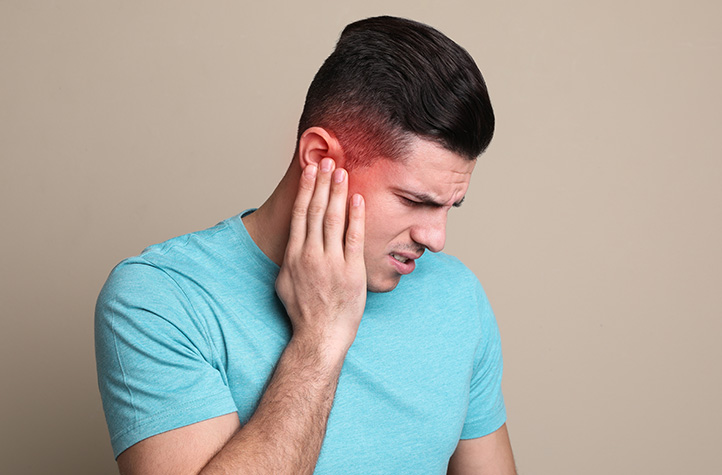
Ear pain is a common problem that can affect people of all ages. It may occur suddenly or gradually and may range from mild discomfort to persistent aching. For most people, ear pain may only feel mildly distressing at first, but it is important to understand that most cases of ear pain are treatable.
The medical term for ear pain is otalgia. It refers to pain felt in one or both ears. The pain may arise from the ear itself or from another area linked to the ear in the head or neck. Understanding what causes ear pain helps guide the right treatment.
This article explains what ear pain is, outlines its common causes, describes otalgia symptoms, and provides thorough insight into diagnosis and treatment.
What is Ear Pain (Otalgia)?
In simple terms, “otalgia” refers to any sensation of pain within the ear, whether caused internally or otherwise. The pain may feel sharp, dull, burning, or throbbing depending on the underlying condition. The pain may worsen during chewing, swallowing, or lying down. Identifying the precise source of pain is essential for effective treatment.
Types of Otalgia:
- Primary otalgia: This type of ear pain arises from inside the ear. It may result from infections, trauma, or blockage within the ear canal or middle ear.
- Secondary otalgia: In this type of ear pain, the pain originates from a source outside your ears. Common sources include the throat, sinuses, jaw, teeth, or neck.
Understanding the difference between primary and secondary otalgia helps answer a common question many patients have: What is ear pain, and why does it sometimes happen without visible signs in the ear?
Common Causes of Ear Pain
To understand what causes ear pain, it is important to determine whether the pain originates in the ear or from other regions. Most ear pain reasons fall into one of these two categories.
Primary Causes
- Ear infections: Middle-ear or outer-ear infections are among the most common causes of otalgia. Infections may lead to fluid buildup, inflammation, or visible redness in the canal or eardrum.
- Earwax buildup: Hardened wax may press against sensitive structures, leading to pain. The blockage may also temporarily reduce hearing.
- Eardrum injury: Injuries from foreign objects or exposure to sudden pressure changes may damage the eardrum and result in sharp or stabbing pain.
Secondary Causes
- Throat infections: Tonsillitis or pharyngitis may cause pain that radiates from the throat to the ear on the same side.
- Dental problems: Tooth infections, gum swelling, or jaw tension may trigger secondary otalgia. Pain may worsen during chewing or when opening and closing the mouth.
- Sinus or allergic congestion: Inflammation in the sinus region may block fluid drainage, leading to pressure inside the ears and subsequent discomfort.
The exact degree of ear pain may vary, but a systematic approach can help your ENT doctor determine whether the pain is local or external.
Symptoms of Ear Pain
Recognising ear pain symptoms early may help with a streamlined diagnosis. The way symptoms appear can differ based on age, cause, and overall health factors. In most cases, otalgia symptoms develop alongside other characteristic signs of infection or inflammation. Here is a quick overview of the typical symptoms to watch for:
- Pain may feel sharp, throbbing, or steady. It may occur in one or both ears and may vary in intensity throughout the day.
- A sense of fullness or blockage in the ear may result from fluid buildup, wax impaction, or pressure changes.
- Some patients may experience reduced hearing alongside ear pain. This may be due to wax, fluid, or inflammation in the middle ear.
- Infections may lead to fluid or pus discharge from the ear. If the eardrum ruptures, blood-tinged discharge may also appear.
- Fever, sore throat, or nasal congestion may accompany otalgia when caused by respiratory infections.
- Ear pain that spreads to the jaw or neck region may point to a secondary cause. This includes temporomandibular joint issues or dental infection.
Patients often seek out ear pain medicine when symptoms become intense. However, identifying the correct cause is always the ideal first step before choosing any form of relief.
How Doctors Diagnose Ear Pain
Diagnosis usually takes place at an ENT hospital in Dubai. Doctors assess symptoms and perform a careful examination.
- Ear examination: Doctors use an otoscope to inspect the ear canal and eardrum. They inspect the ear for redness, swelling, fluid, or injury.
- Hearing tests: These are conducted when patients report hearing loss or muffled auditory capacity. They help assess how sound travels through the ear structures.
- Imaging tests: In some complex otalgia cases, a CT scan or MRI may be ordered if no obvious cause is found. Computer imaging may help rule out tumours or deep infections.
- Throat or dental evaluation: If the ear appears normal, doctors examine the throat, sinuses, teeth, and jaw. This helps identify referred pain.
Doctors may also ask about smoking, alcohol use, weight changes, and overall health. These details are vital when investigating factors that could potentially contribute to secondary ear pain.
Treatment Options for Ear Pain
Patients often pose questions about suitable ear pain medicine, but medication alone is not always sufficient. Doctors may combine several approaches to treat ear pain.
Medical Treatments:
- Doctors may prescribe antibiotics when the cause is a bacterial ear infection. Treatment may be oral or topical, depending on the location of the infection.
- If allergies are present, the goal is to reduce inflammation and relieve sinus pressure. This may also help drain trapped fluid in the ear canal.
- Specialised ear drops may help soften wax or reduce pain and inflammation in the external ear canal.
Advanced treatments:
- If the eardrum has ruptured or if chronic infections recur, surgery may be required to repair damaged tissue or place ventilation tubes.
- In severe or complicated infections, referral to an ENT hospital in Dubai may be recommended for further management and long-term care.
Treatment approaches will depend on the specific diagnosis by your ENT specialist.
Home Remedies For Ear Pain
These remedies can temporarily help address the immediate symptoms of ear pain. Bear in mind, however, that they are not a permanent substitute for medical treatment methods.
- Warm compresses may reduce ear pain temporarily. They also help improve circulation and ease muscle tension near the ear.
- Keeping the ears dry during showers or swimming may prevent worsening of external ear infections.
- Over-the-counter pain relievers may be taken under supervision if symptoms are mild and the diagnosis has been confirmed.
Prevention and Aftercare Tips
Preventing ear pain is possible in most cases. After treatment, following basic care guidelines reduces the chance of recurrence or complications. These tips may help protect the ear and support recovery.
- Avoid inserting objects into the ear canal. This includes earbuds, cotton swabs, and sharp instruments.
- Keep ears dry by wearing protective earplugs while swimming or drying the outer ear after bathing.
- Manage allergies, sinus congestion, and colds early to prevent fluid buildup or bacterial growth in the middle ear.
- Use noise protection during flights or in loud environments to prevent barotrauma from fluctuating air pressure and inner ear strain.
- Follow up with the best ENT specialist in Dubai if pain, hearing loss, or discharge continues beyond a few days despite initial care.
Preventive steps may appear minor, but they form a key part of maintaining ear health and reducing the burden of repeated treatment.
When to See a Doctor
Some ear pain symptoms require immediate medical attention. While many cases are mild, delays in care may lead to complications if left unaddressed.
- Pain that becomes worse over time or fails to respond to initial care may suggest a more complex infection or trauma.
- Hearing loss or ringing in the ears must be investigated, especially if accompanied by pain or dizziness.
- Discharge that includes blood or thick fluid may indicate a ruptured eardrum or a serious middle ear condition.
- High fever, swelling near the jaw, or difficulty swallowing may suggest throat or sinus complications needing urgent care.
Doctors at a recognised ENT hospital in Dubai may use advanced tools and tests to confirm the cause and offer curated treatment.
Conclusion: Managing Ear Pain Effectively
Ear pain may arise for many different reasons. Identifying whether it is primary or secondary helps determine the right treatment approach. While home remedies may help in some cases, persistent pain must not be ignored. Mild cases often resolve quickly when treated early. If symptoms persist or worsen, seeking help from the best ENT specialist in Dubai ensures timely diagnosis and comprehensive care. A clear evaluation plan reduces future ear pain complications and helps you resume your daily routine.
FAQs
1. What are the most common causes of ear pain?
Infection of the outer ear or middle ear, ear obstruction by wax, and jaw and dental issues are the most prevalent causes of ear pain.
2. How to cure ear pain?
The treatment is determined by the cause. Infections may need antibiotics, and pain from external sources may need dental or jaw treatment.
3. When to worry about ear pain?
When the pain continues after several days or when it is accompanied by fluid discharge, pus/bleeding, fever, or hearing loss, it is necessary to visit an ENT specialist as soon as possible.
4. Can sinus cause ear pain?
Yes, blocked sinuses or allergies can increase the ear pressure and lead to pain, especially when the ear is cold or the weather changes.
5. What is the difference between an ear infection and an earache?
An earache is one of the symptoms, and an ear infection is a diagnosis. Infection does not always cause earaches.
6. Does ear pain affect balance or cause one to feel dizzy?
Yes, in the case of the middle ear, balance may be disturbed when the inner ear is pressured, or the structures of the vestibular apparatus are affected.
7. How long have you had ear pain?
The ear pain may last for hours or days. The duration of time depends on the cause and promptness of treatment.
8. Does it have any jaw or tooth problems that may cause ear pain?
Yes, shared nerve pathways may cause referred pain in the ear due to infected teeth, tension in the jaw, or dysfunction of the temporomandibular joint.
References: