


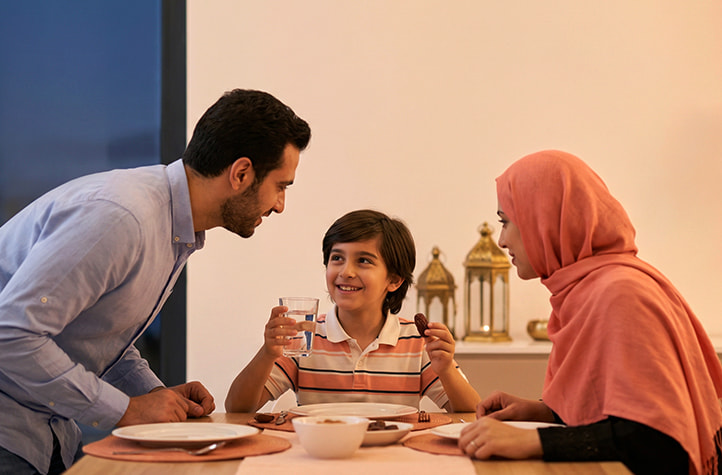
Ramadan is a special time for families, and many children become interested in fasting by observing their parents and elders. Between the ages of 10 and 12, many children begin trying partial fasting. While this reflects positive cultural engagement, parents play an important role in ensuring that fasting does not affect a child's health, learning, or well-being—especially during long school days. Many parents also wonder whether fasting may cause health concerns. This guide explains how to support children safely during Ramadan.
Is Fasting During Ramadan Safe for Kids?
For many children, fasting during Ramadan can be safe when it's done gradually and with close parental support. But children's bodies are still growing, and they lose fluids more quickly. That's why the "safe" version of fasting for kids looks a little different for them.
Here are a few things as parents you must consider more than your child's age: their usual energy levels, sleep patterns, how active their school day is, and whether they have any medical condition that needs regular meals, fluids, or medicines. And whatever the plan is, it should stay flexible.
At what age can children start fasting in Ramadan?
There's no single "right" age to begin fasting. Most families find that children start showing genuine curiosity between 7 and 12 years. What matters more than age is readiness: Is your child healthy, growing well, and coping comfortably at school? Younger children have higher energy needs and often struggle with long gaps between meals.
You can ease them in by making fasting symbolic, perhaps skipping one snack or focusing on the prayer and charity aspects of Ramadan. It's about building the habit without the strain. Here is a closer look at what fasting looks like at every developmental stage.
Younger Children (Under 7 Years)
During early childhood, kids actually require more energy and hydration relative to their size than adults do. The fluid reserves are much smaller, and naturally, they have a lower tolerance for long gaps without food or water. Because of this, most paediatric and religious guidance agree that fasting is not expected at this age. This is the ideal time to introduce Ramadan through positive family traditions rather than food restrictions.
Helpful Ways to Involve Younger Children:
- • Joining the family for Suhoor and Iftar without fasting
- • Helping set the table or hand out dates and water
- • Participating in short, age-appropriate prayers or reflections
- • Practising very brief "symbolic fasts" (for example, skipping one snack), only if the child is eager
Why Full Fasting in Ramadan for Kids isn't Advised Yet:
- • Younger children dehydrate faster
- • Blood sugar drops affect mood and behaviour more quickly
- • Growth and brain development depend on regular nutrition
School-Age Children (7–12 Years)
Curiosity peaks around the ages of 7 to 12 years, and kids often want to fast to feel included, yet their bodies still need consistent energy for a busy school day. A general recommendation for parents is to follow a 'stepped' approach regarding fasting time during ramadan, by allowing children to ease into the practice in a way that is both safe and sustainable for their development.
Common and Well-tolerated Options Include:
- • Half-day fasting, especially on school days
- • Alternate-day fasting, allowing recovery in between
- • Weekends-only fasting, when sleep and rest are easier
- • Full-day fasting on consecutive school days is generally not recommended for most children in this age group.
Why gradual fasting works better:
- • School days can last 6–8 hours with continuous concentration
- • Physical Education (PE) and outdoor play increase fluid loss
- • Inadequate intake can affect attention, mood, and stamina
Parents should watch closely for physical and behavioural warning signs. Persistent fatigue, headaches, irritability, or difficulty focusing will indicate that the current fasting rhythm needs a quick recalibration. At this stage, the priority is to model healthy, gentle boundaries. The goal at this age is learning self-control gently, not pushing children through discomfort.
High School-Age Children (12–18 Years)
Teenagers may wish to fast more consistently and may try to push themselves despite fatigue or discomfort. However, adolescence is also a period of rapid growth, hormonal change, and increased academic stress, which can make fasting more demanding than it appears.
Key Challenges for Teenagers During Fasting:
- • Chronic sleep deprivation due to late nights and early school hours
- • Exams, long study hours, and screen use
- • Sports training or physical activity
- • Increased caffeine and sugary food cravings at Iftar
Support Makes a Significant Difference:
- • Encourage a balanced Suhoor with protein and slow-release carbohydrates
- • Promote paced hydration between Iftar and Suhoor, not all at once
- • Set realistic expectations around revision, training, and social commitments
If your child has chronic health issues, is on daily medications, or has a low BMI (Body Mass Index), you must consider consulting an experienced paediatrician for a customised diet plan. Even healthy teens should feel comfortable pausing or adjusting fasting if they feel unwell.
Managing School Days While Kids Are Fasting
Active days at school can make Ramadan fasting time feel gruelling for children. Moreover, cognitively demanding subjects, including maths and science, rely on steady energy levels to maintain focus, without which concentration tends to flicker by lunch.
Particularly, the PE or playground sprints are the fastest way to trigger dehydration or exhaustion. Though the weekends allow for a slower, more restorative pace, planning matters more for weekdays.
A Few Ways to Reduce Physical Strain on School Days
- • Move bedtimes up. An earlier "lights-out" makes that pre-dawn wake-up call much less of a shock.
- • Tweak the PE plan. Ask the school for lower-impact physical education activities to help your child conserve energy.
- • Fuel up in a planned manner. Use "slow-burning" food like oats or eggs to prevent a midday crash.
- • Rest more post-school hours. Keep things low-key after school so they can coast until sunset.
- • Stay flexible. If it's too much, switching to half-days is a much kinder way to build confidence.
How Fasting Affects Energy Levels in Children
It is usual for children to feel a bit "off" in the first few days. It means their body is recalibrating to new schedules of meals, sleep, and most essentially energy stretches between Suhoor and Iftar. Expect some mid-day moodiness, headache complaints, irritability or tiredness. However, symptoms should not interfere significantly with school performance or daily activities.
How to Identify Normal Symptoms vs Warning Signs:
- • Headache or low mood often improves with better sleep and a steadier Suhoor the next day.
- • Hunger and poor focus may happen if Suhoor is mostly sugary or too small; add protein and whole grains.
- • Dizziness, faintness, or unusual sleepiness are the signs that your child may not be coping that day. It's safest to stop fasting and rehydrate.
Healthy Suhoor and Iftar Tips for Kids
When children are fasting, meals are not just about filling the stomach. They are more about providing sustained energy, hydration, and stable blood sugar levels. A well-planned and rich Suhoor helps children last through the day. And a thoughtfully light Iftar supports their recovery without overwhelming the gut.
Ideal Suhoor Foods
Suhoor is the first and most important meal for a fasting child. Keeping it light or skipping leads to fatigue and decreased focus throughout the day. The aim must be to combine slow energy release with high water-retentive food. Some items to include:
- • Slow-release carbohydrates, such as oats, porridge, or whole-wheat bread, to keep energy steady
- • Protein, such as eggs, yoghurt, milk, or lentils, to reduce hunger dips
- • Fruits with high water content, such as bananas, oranges, berries, melon, or cucumber
Encourage your child to drink water gradually rather than all at once. Very salty foods and sugary cereals may increase thirst later, so it's best to keep them occasional rather than routine.
Smart Iftar Choices
After a long fasting day, children may feel very hungry. However, a heavy meal after a long fasting session can often backfire. Therefore, you should choose foods that help the body readjust and prevent stomach discomfort and sudden energy crashes. Iftar can start gently with the following:
- • Begin lightly with dates and water, or a small bowl of soup
- • Pause briefly, allowing digestion to settle
- • Follow with a main meal that includes protein, vegetables, and complex carbohydrates
- • Limit deep-fried and very sugary foods, which can disrupt sleep and cause next-day fatigue
For children, the fasting guide has a simple principle. Start with small portions and increase gradually based on appetite and tolerance. This approach supports better digestion, calms evenings, and promotes relaxing sleep, especially on weekdays.
When Kids Should Not Fast During Ramadan
With the right support, many children can take part in Ramadan fasting in a meaningful way. At the same time, recognising when to pause or adapt is an important part of caring for your child's wellbeing and fully reflects the compassionate spirit of Ramadan.
Children Should not Fast if They:
- • Have a fever, vomiting, or diarrhoea
- • Are underweight or have concerns with growth or poor appetite
- • Dealing with diabetes or any condition that needs regular meals, fluids, or medicines
- • Have a history of fainting, severe migraines, or kidney problems, unless a doctor has advised otherwise
- • Have asthma requiring frequent inhalers
- • Have iron deficiency anaemia or chronic fatigue
If certain signs, such as persistent dizziness, unusual sleepiness, confusion, or reduced urine output, are observed, it is appropriate to pause the fast. Even for healthy children, these can point to dehydration or low energy levels, and breaking the fast to rehydrate is the safest step.
Teaching Ramadan Values Without Full Fasting
Not every child needs to fast fully to feel connected to Ramadan. In fact, for many families, learning the values behind the fast is just as important. Especially when children are still growing or finding school days tiring, this approach also helps reduce anxiety and prevents unhealthy comparison with peers.
Gentle and Meaningful Ways Children Can Participate in Ramadan Without Full Fasting:
- • Partial participation: a short fast for a few hours, or fasting on weekends only
- • Acts of kindness: sharing food, donating to charity, or helping someone at home
- • Family involvement: setting the Iftar table, handing out dates and water, or helping prepare meals
- • Mindful habits: reducing screen time, practising patience, or focusing on gratitude
These approaches help children develop an understanding of compassion, self-discipline, and generosity, values that lie at the heart of Ramadan, while supporting their physical wellbeing in a balanced and age-appropriate manner. Many parents find that this also removes comparison with siblings or peers and keeps the experience positive.
Ramadan and fasting is not about endurance alone, but also about intention, compassion, and balance. When children feel included, supported, and understood, the lessons often stay with them far longer than the fast itself.
Conclusion
Ramadan is a time of intention, care, and connection. When children are supported with patience and flexibility, fasting becomes a positive learning experience rather than a physical or mental strain. Listening to their bodies, adjusting when needed, and seeking guidance from a trusted paediatrician at Aster Hospitals in Dubai helps keep the month healthy and meaningful for the whole family.
FAQs
Can children with asthma or other long-term conditions fast?
Some children with stable conditions may be able to fast, but this should always be discussed with a doctor first. Moreover, parents should carefully consider medication timing, hydration needs, and their children's overall health.
Is it safe for my child to fast during exams or important school days?
Exam periods place extra mental and physical demands on children. During these times, partial fasting, weekends-only fasting, or postponing fasting altogether may be kinder options. Academic stress combined with fasting can affect concentration and sleep.
My child becomes very irritable and emotional when fasting. Is this normal?
Mild irritability can happen, particularly in the first few days, due to hunger, thirst, or sleep changes. However, if mood changes are intense, persistent, or affect school and family life, it's a sign the fasting routine may need to be adjusted or paused.
Should children skip PE or sports while fasting?
High-intensity exercise can be tiring during fasting hours. If PE is strenuous, it's reasonable to speak with the school about lighter activity or rest days, particularly for younger children or first-time fasters.
What is the best Suhoor for a child who feels tired easily?
A good Suhoor includes slow-release carbohydrates (like oats or whole grains), protein (eggs, yoghurt, milk), and fruit. This combination helps keep energy levels steadier than sugary or refined foods.
Can children drink electrolytes after Iftar?
In most healthy children, water and balanced meals are enough. Electrolyte drinks may be helpful after prolonged activity or heavy sweating, but they shouldn't replace regular meals or fluids unless advised by a doctor.
What are the signs that fasting is too hard for my child?
Persistent dizziness, unusual sleepiness, confusion, headaches that don't improve with rest, or very low urine output are signs your child may not be coping well. In these situations, it's safest to stop the fast and rehydrate.
Can children with obesity safely fast?
Children with obesity may fast, but meals should be carefully balanced to avoid overeating at Iftar. Medical advice is helpful to ensure healthy weight management during Ramadan.
Medical Disclaimer:
This information is intended for general guidance only and does not replace individual medical consultation. Parents are advised to seek personalised advice for children with medical conditions.
References
https://wsh.wokingham.gov.uk/sites/schoolshub/files/2024-02/Guidance%20on%20Ramadan.pdf
https://www.pubs.ext.vt.edu/content/pubs_ext_vt_edu/en/HNFE/HNFE-3510/HNFE-351.html
https://www.emro.who.int/noncommunicable-diseases/campaigns/stay-healthy-during-ramadan.html