

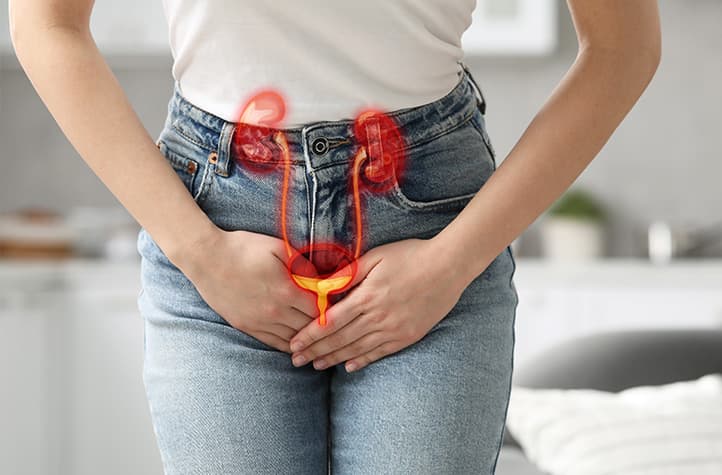
Urinary Tract Infections (UTIs) are a group of medical conditions that can pose health complications but are usually treatable with proper care. UTIs occur when bacteria enter the urinary tract and begin to spread. The infection usually starts in the lower tract, most often affecting the bladder or the urethra.
The majority of urinary tract infections are mild and can be treated early. Research indicates that recovery rates are over 95 per cent when the condition is detected and treated early. The primary goal of diagnosing urinary tract infection is to clear the infection before it spreads to the kidneys, where it may cause more serious complications.
Understanding what a urinary tract infection is, recognising early symptoms, and knowing when to seek care can help you manage the condition safely and reduce future risk.
What is a Urinary Tract Infection (UTI)?
A urinary tract infection occurs when bacteria, most often Escherichia coli, enter the urinary system and start to proliferate. These bacteria are usually found naturally in the intestine but may cause infection if they reach the urinary tract.
The infection usually starts in the lower urinary tract and travels upwards to the bladder. Without treatment, it may extend to the kidneys. Recognising what a UTI is and treating it promptly prevents further complications.
The urinary tract consists of several parts that may become infected at different stages, each with its characteristic symptoms. When bacteria affect the urethra, the condition is known as urethritis. When they reach the bladder, it is called cystitis. Meanwhile, more complicated kidney infections are termed pyelonephritis
Causes and Risk Factors of UTI
Understanding the causes of urinary tract infections helps reduce the risk of recurrence. Here are some of the common causes of UTI:
- Bacterial infection (especially E. coli): The most common urinary tract infection causes involve E. coli bacteria moving from the perineal region (thigh area) to the urinary tract, where they multiply and cause irritation.
- Poor hygiene: Improper toilet hygiene may allow bacteria to enter the urinary passage, which can increase the risk of a urinary infection.
- Urinary retention or obstruction: Retaining urine or having blockages within the urinary tract may create an ideal environment for bacterial growth and multiplication.
- Use of catheters: Prolonged use of a catheter may provide a direct path for bacteria to enter the urinary tract, leading to infection.
Risk factors:
- Female anatomy (shorter urethra): Women are typically more prone to UTIs because the shorter urethra in women allows bacteria to enter the bladder faster, which increases the risk of infections.
- Sexual activity: Not urinating after sexual activity may allow bacteria to enter the urinary passage, increasing the risk of infection.
- Menopause: Hormonal changes reduce protective vaginal flora and weaken the natural defences of the urinary tract, leaving them vulnerable to infection.
- Diabetes or weakened immune system: Low immune response and high sugar levels may promote the development of bacteria and aggravate the infecti
- Pregnancy: Pregnancy may slow the urine flow because of pressure on the bladder and hormonal changes, which puts the expectant mother at risk of urinary tract infections.
Signs and Symptoms of a Urinary Tract Infection
The urinary tract infection symptoms differ depending on which part of the urinary system is affected. Recognising early signs facilitates faster recovery.
Common symptoms:
- Burning sensation during urination: This is the most frequent symptom among patients and reflects inflammation of the bladder lining or urethra.
- Frequent urge to urinate with little output: Patients often feel the need to urinate repeatedly, yet only small amounts of urine are passed each time.
- Cloudy, strong-smelling, or bloody urine: Urine discolouration occurs due to the presence of bacteria, pus cells, or slight bleeding in the urinary tract.
- Pelvic or lower abdominal pain: Mild to moderate discomfort or heaviness in the lower abdomen may occur when the bladder is inflamed.
Severe or advanced symptoms (when kidneys are involved):
- Fever and chills: These may appear when infection spreads to the upper urinary tract or kidneys.
- Nausea or vomiting: These symptoms may accompany more serious infections or indicate systemic involvement.
- Flank pain (back or side pain): Pain near the back or under the ribs may reflect kidney inflammation.
Diagnosis: How UTIs Are Detected
Urinary tract infection diagnosis requires clinical assessment and laboratory confirmation. Timely diagnosis ensures early treatment.
- Clinical evaluation: Doctors begin by recording patient history, discussing symptoms, and performing a physical examination. Pain or tenderness in the lower abdomen may indicate infection.
- Diagnostic Tests:
- Urinalysis: This test identifies white blood cells, nitrites, or bacteria in the urine, which helps confirm infection.
- Urine culture: A urine culture determines the specific bacterial strain responsible for infection and guides antibiotic selection.
- Imaging (ultrasound or CT scan): These tests are used when infections are recurrent or a kidney infection is suspected. They help identify structural abnormalities.
When to consult a specialist: If infections occur frequently or symptoms persist, visiting the best urologist in Dubai allows for a detailed evaluation and precise urinary tract infection diagnosis.
Treatment Options for UTI
Treatment focuses on neutralising the bacteria and preventing the spread of infection. Management may involve medication, hydration, and lifestyle adjustments.
Medications:
Antibiotics are usually prescribed based on infection type and bacterial sensitivity. Treatment duration varies depending on the infection’s severity. Pain relief medication may also be used to manage discomfort and burning sensations.
Lifestyle and home care:
Ideal water intake every day helps purge bacteria from the urinary system. Patients are advised to drink enough water daily. Limiting caffeine and alcohol reduces bladder irritation. Completing the full antibiotic course ensures full recovery and prevents bacterial resistance.
Recurrent UTI management:
People with frequent infections may need longer therapy, prophylactic medication, or investigations for underlying issues such as diabetes or stone formation.
Where to seek expert care:
The best urology hospitals in Dubai are fully equipped to provide effective relief from UTIs and offer expert diagnosis and treatment. Accurate diagnosis and guided therapy help achieve long-term infection control.
Prevention Tips: How to Reduce the Risk of UTIs
Preventive steps can significantly lower the chances of recurrence. Simple daily habits strengthen urinary health and mitigate infection.
Daily habits
- Stay hydrated: Consuming sufficient water promotes healthy kidney function & urination, subsequently clearing the urinary tract of bacteria.
- Urinate after intercourse: This will help keep harmful bacteria out of the urethra and decrease the chances of infection.
- Keep the genitals clean: Cleaning the area around the urinary opening with mild techniques regularly helps to reduce the number of bacteria.
- Wear loose and breathable clothing: Loose & breathable clothing helps avoid the build-up of moisture and the growth of bacteria around the urethra.
- Ensure proper toilet hygiene: Proper hygiene during and after bowel movements helps to avoid the spread of bacteria from the anal region to the urinary tract.
When to See a Doctor
Medical examination is essential to accurately diagnose some of the nuanced symptoms. Kidney infection may manifest as recurrent fever, blood in the urine, or back pain.
Repeated or chronic infections may be signs of underlying conditions such as urinary retention or anatomical changes. A visit to a urology specialist will help to determine and treat the underlying cause.
A top urologist in Dubai will ensure that there is proper assessment, prescriptive treatment, and preventive treatment in the long run to enhance urinary health.
Recovery and Outlook
Recovery from a urinary tract infection is often quick when treated early. Most patients experience improvement within a few days of therapy.
- Typical recovery timeline: Simple infections usually resolve within three to five days once treatment begins. Proper hydration and rest support the healing process.
- Complicated cases: Kidney involvement or repeated infections may need extended treatment or hospital monitoring for better recovery.
- Prognosis: With timely management, urinary tract infections generally have excellent outcomes. Preventive measures further reduce future recurrence.
Conclusion
Urinary tract infection is a medical condition that remains common across all age groups. Although typically mild in presentation, it may progress without timely intervention. The ability to recognise early symptoms and respond with appropriate care plays a central role in preventing complications.
Diagnosis based on symptom patterns and supportive testing allows early initiation of treatment in most uncomplicated cases. Infections that recur or fail to respond to standard care may require further clinical attention and structured evaluation.
With consistent awareness, accurate identification, and proper follow-up, urinary tract infections can be managed effectively. The long-term goal is not only to treat individual infections but also to reduce recurrence
FAQs
1. Do UTIs typically have a common cause?
Most UTIs are caused by the E. coli bacteria that enter the urinary tract via the perineal region.
2. What are the first symptoms of having a UTI?
The first signs are pain during urination, an increase in frequency, and pain in the lower abdomen.
3. How do doctors diagnose a urinary tract infection?
Diagnosis is made through urinalysis, urine culture, and imaging in recurrent or complicated cases.
4. Does UTI resolve spontaneously without antibiotics?
Mild infections are treated temporarily, and with medical attention, the bacteria are completely removed.
5. Do common UTIs resolve within a week?
Most bladder infections are treated within 3-5 days, but kidney infections can be treated over time.
6. What would happen in case of a urinary tract infection that is not treated?
The infections that are not treated may spread to the kidneys, causing more complex health problems.
7. At what point during a UTI should I consult a urologist?
Refer to a urologist when there is a recurrence of infection more than twice in a span of six months or when there is no response to treatment.
8. What are five signs and symptoms of UTI?
Burning during urination, frequent urge, cloudy urine, pain in the pelvic region, and pain in the flank are the common symptoms of a urinary tract infection.
References:
https://academic.oup.com/pmj/article/97/1154/803/6967180
https://swanvalleymedical.com/wp-content/uploads/2022/03/19-Urinary-Tract-Infection.pdf