


A sudden fall while walking, stuttering during a conversation, or weakness in one side of the body may seem like minor issues at first. However, prolonged occurrence of these symptoms should be addressed by a neurosurgeon in Dubai at the earliest.
The initial signs may indicate underlying neurological events that require urgent evaluation. Most of the time, patients learn that a tumour, clot, aneurysm, or injury is affecting how their brain functions.
However, advancements in neurosurgery have enabled the treatment of these conditions with greater safety and precision. Patients no longer need to undergo invasive procedures as the sole method for treatment. Early diagnosis paired with skilled surgical care may limit long-term risks and help preserve quality of life.
In this comprehensive article, we shed light on the fundamentals of brain surgery and outline the purpose, type, procedure, preparation, risks, and aftercare of brain surgery.
What is Brain Surgery?
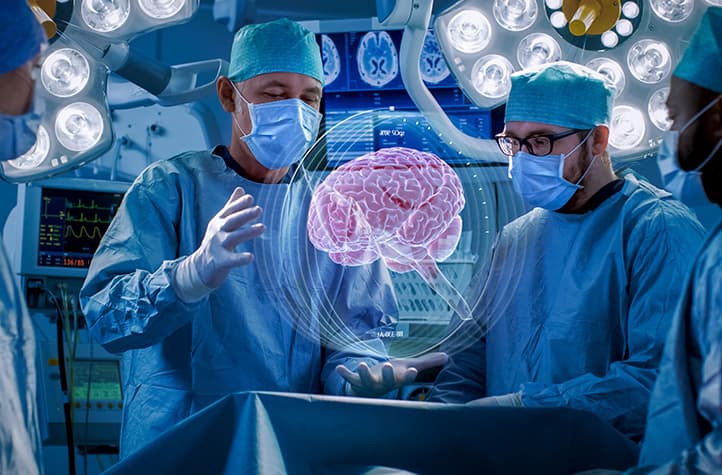
Brain surgery is a specialised medical procedure where a neurosurgeon operates on the brain to correct structural disorders. The surgical procedure is carried out to minimise damage, remove abnormal tissue, or relieve pressure on the brain.
Traditional procedures often involve a craniotomy, which involves creating an aperture in the skull. However, minimally invasive options now allow for smaller incisions with the assistance of endoscopic tools. These techniques facilitate post-procedure healing.
Modern neurosurgeries now rely on neuronavigation systems and robotic tools. These technologies have significantly increased the accuracy of surgical intervention and reduced the chances of neurological complications.
Why is Brain Surgery Performed?
Brain surgery is performed to address a range of neurological, vascular, or structural conditions that cannot be managed with medicines alone. It is not limited to tumour removal but may also involve repairing or decompressing affected areas.
- Brain surgery may be performed to repair abnormal blood vessels that have formed aneurysms or structural weaknesses within the brain.
- Brain clot removal surgery may be required to evacuate clots formed after trauma or stroke to restore circulation and relieve pressure.
- Drainage of the brain haemorrhage may be necessary to prevent further brain tissue damage from accumulated blood.
- Certain neurosurgery procedures may help control epilepsy or movement disorders that are not responding to conventional medications.
- Brain surgery may also relieve increased intracranial pressure caused by swelling or fluid buildup due to trauma or infection.
Types of Brain Surgery
- Craniotomy involves opening a section of the skull to allow direct access to the brain. It is commonly used for tumour removal or brain aneurysm surgery.
- Endoscopic brain surgery is a minimally invasive technique that employs a thin tube with a camera. The tube is inserted through a small opening, allowing targeted treatment with minimal disruption.
- Stereotactic surgery uses a computer-guided system to reach deep brain structures with minimal disruption to surrounding tissues.
- Aneurysm clipping or coiling is done to secure the aneurysm site and reduce the risk of rupture in patients with brain aneurysm surgery.
- Brain stroke surgery involving clot removal may help restore blood flow in cases of acute ischaemic stroke or traumatic bleeding.
- Decompressive craniectomy is performed to relieve swelling when increasing pressure threatens to damage critical brain functions.
How to Prepare for Brain Surgery
Preparing for brain surgery involves adopting a multidisciplinary approach. Medical evaluation, counselling, and planning are done well in advance of the operation.
- Neurological examinations, along with MRI or CT scans, help the surgeon understand the site, size, and effect of the abnormality.
- Blood tests and cardiac assessments are conducted to ensure the patient’s vitals are stable for surgery.
- Preoperative counselling helps the patient understand the type of neurosurgery, possible outcomes, and steps to be taken during recovery.
It is essential to consult an experienced neurosurgeon in Dubai when facing a complex condition requiring advanced surgical techniques for effective treatment.
What Happens During the Procedure
The brain surgery process varies based on the type of neurological condition being treated. It requires coordinated steps involving anaesthesia, imaging, and real-time monitoring.
- General or local anaesthesia may be used based on the specific surgical approach and patient requirements.
- The surgeon may create an incision and either surgically access the skull or insert an endoscopic tube for targeted access.
- The abnormality is addressed by removing the tumour, sealing a blood vessel, or suctioning out the clot as required.
- Once the procedure is complete, the skull is closed and the incision sutured. The patient is shifted to the ICU for neurological observation.
In certain cases, such as when operating near brain areas responsible for language or movement, awake brain surgery may be performed. The patient remains conscious during mapping tests to preserve vital functions and reduce long-term complications.
Recovery After Brain Surgery
The recovery period following brain surgery varies widely. Factors such as age, surgical complexity, and preoperative health influence the healing timeline.
- After surgery, the patient is monitored in the ICU to evaluate brain pressure, response to stimuli, and general vitals.
- The hospital stay usually lasts 3 to 7 days, depending on the surgical complexity and postoperative status.
- Patients may be discharged with instructions for rest, limited physical activity, and regular follow-up visits with their neurosurgeon.
- Brain surgery recovery time can often extend over several weeks or months before patients regain full neurological function.
- Some patients may need physiotherapy or speech therapy to regain lost motor or cognitive abilities following surgery.
Risks and Complications of Brain Surgery
Despite significant technological improvements, brain surgery can entail potential risks that vary depending on the operation site and purpose of intervention. Your neurosurgeon in Dubai will account for these risks during the pre-procedure counselling. Some issues that could surface include:
- Surgical site infection or bleeding may develop and require further management or prolonged recovery time.
- Brain swelling may affect surrounding regions and influence neurological recovery.
- Seizures may occur following brain tumour surgery. These require specialised therapy to address.
- Weakness or imbalance may be observed when movement-related regions are manipulated.
Long-Term Complications Include:
- Some patients may experience attention or cognitive problems that persist for several months or longer.
- In rare cases, behavioural or personality changes may emerge depending on the brain area affected.
Seeking support from the best neurosurgery hospital in Dubai, with continuous neuro-monitoring and rehabilitation support, can effectively address these risks.
Life After Brain Surgery
Life after brain surgery involves physical, emotional, and cognitive recovery. Ongoing support and structured care plans are essential for long-term wellness. Along with that, the following lifestyle measures greatly improve post-surgery quality of life:
- A nutritious diet, sleep hygiene, and avoiding alcohol or tobacco play a pivotal role in supporting brain healing.
- Regular follow-up scans are essential to detect any signs of recurrence or new brain lesions early.
- Patients and families benefit from dedicated counselling, particularly after brain clot removal surgery or tumour excision, to manage emotions and expectations.
Conclusion
Brain surgery addresses several serious conditions, including brain stroke, brain aneurysm, and tumour proliferation. Advances such as awake craniotomy and stereotactic navigation have improved precision and safety for patients worldwide.
Timely diagnosis, along with specialised care from an experienced neurosurgeon in Dubai, may significantly improve functional outcomes and quality of life. Learning about the nature of brain surgery helps patients and families feel empowered and informed during their journey to better neurological health.
FAQs
1. What are the common reasons someone might need brain surgery?
Patients might need brain surgery to effectively address issues regarding tumours, aneurysms, blood clots, trauma, haemorrhages, epilepsy, or to relieve swelling affecting brain function.
2. How long does it take to recover after brain surgery?
Brain surgery recovery time depends on the procedure and the patient’s overall health. Recovery may range from a few weeks to several months with proper care.
3. What are the risks of brain tumour surgery?
Brain tumour surgery risks may include infection, swelling, seizures, speech difficulty, or temporary weakness, depending on the tumour location.
4. Is brain surgery always performed under general anaesthesia?
Not always. While most cases require general anaesthesia, certain procedures, such as awake craniotomy, use local anaesthesia.
5. What are the symptoms after brain surgery that require urgent medical attention?
Symptoms such as confusion, seizures, persistent vomiting, high fever, severe headache, or weakness may require immediate evaluation after surgery.
6. Can brain surgery cure aneurysms or blood clots permanently?
Brain aneurysm surgery or clot removal may treat the immediate issue. However, continued monitoring is needed to prevent recurrence or new events.
7. When should I consult a neurosurgeon in Dubai for brain-related symptoms?
You should consult a neurosurgeon in Dubai if you experience sudden weakness, speech problems, severe headaches, or any neurological abnormalities.
8. What happens after brain surgery?
Post-surgery, the patient is monitored for vital signs and healthy neurological function. Further steps include rest, therapy, medication, and follow-up care.
Reference:
- https://www.mdpi.com/2076-3425/8/1/17
- https://www.researchgate.net/profile/Joel-Johnson-10/publication/7892463_Improvements_in_brain_tumor_surgery_The_modern_history_of_awake_craniotomies/links/59dc16ef0f7e9b1460fc32fe/Improvements-in-brain-tumor-surgery-The-modern-history-of-awake-craniotomies.pdf