


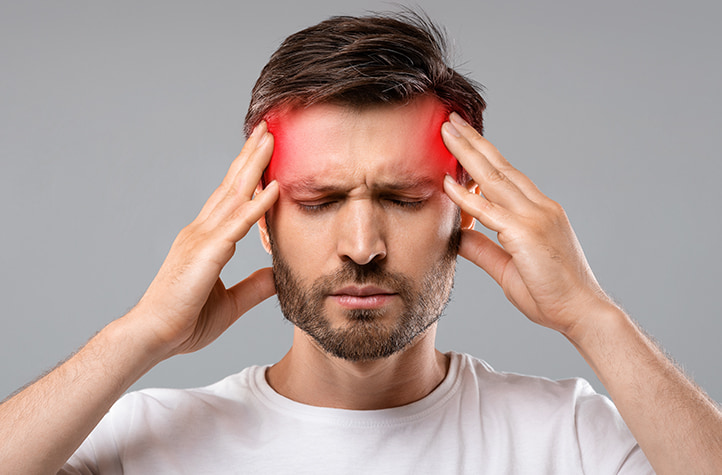
Migraine currently ranks as the sixth leading cause of 90% of disabilities faced by people under 50 years of age, according to a GBD Study. In 2023 alone, more than 3 billion people lost an aggregate of 40.9 million years of ‘good life’ to migraine headaches as per the records of IHME. Given its profound effect on daily life and nearly twice the impact on women, understanding this condition is the first step toward managing it.
What is Migraine
A migraine is a neurological condition characterised by recurrent episodes of moderate to severe head pain. The pain often feels throbbing or pulsating and usually affects one side of the head, although both sides may be involved. An attack can last from a few hours to several days and may limit your ability to carry out daily activities.
Many people also experience nausea, vomiting, or sensitivity to light, sound, or smell. These symptoms occur because the brain becomes unusually sensitive during a migraine headache, and even simple movements, like bending down or climbing stairs, can worsen the pain.
A migraine headache is different from a regular headache. It involves changes in brain activity, nerve pathways, and chemicals such as serotonin. Some people experience temporary visual or sensory changes before the headache begins. This is known as an aura. Migraines can run in families and are often linked to triggers such as stress, hormonal shifts, certain foods, or irregular sleep.
Learn about Migraine Symptoms
Migraine symptoms can vary from person to person, yet certain symptoms are common. The main symptom is a moderate to severe headache. This pain often feels throbbing or pulsating and may worsen with movement. It usually affects one side of the head, though it can affect both.
Alongside the headache, many people experience:
- • Nausea or vomiting
- • Sensitivity to light, sound or smells
- • Blurred vision
- • Light-headedness or dizziness
- • Difficulty concentrating or thinking clearly
Some symptoms may appear before the headache begins, while others develop during the attack. The combination of sensory and physical symptoms explains why many people find it difficult to work, read, or continue normal activities during an episode.
A proportion of individuals experience the aura phase, which involves temporary visual or sensory changes. These may include flashing lights, zigzag lines, blind spots, tingling, or difficulty speaking. Aura symptoms usually last a short time but can feel unsettling.
Phases of a Migraine Headache Attack
A migraine headache attack can develop in a sequence of stages. Not everyone experiences all of them, but understanding the pattern helps you recognise early warning signs and manage symptoms more effectively.
- 1. Prodrome (Early Signs): The prodrome phase can begin hours or even a day before the headache. Common signs include tiredness, mood changes, food cravings, neck stiffness, and difficulty concentrating. Some people also yawn more than usual or feel unusually thirsty.
- 2. Aura (Neurological Changes): Aura appears in a smaller group of people. It involves short-lasting disturbances such as trouble speaking, vision changes, tingling in the hands or face, and confusion. Some may also experience temporary muscle weakness or abnormal sensory sensations, such as tingling or numbness. Aura can occur before or during the headache.
- 3. Headache Phase: This is when the main pain develops. It may feel throbbing or pulsating and often worsens with activity. Sensitivity to light, sound, or smell is common.
- 4. Postdrome (Recovery): After the headache settles, many people feel drained, foggy, or low in energy for up to 24-48 hours. Some also notice mild head discomfort during this stage.
Types of Migraines
Migraines vary in how they begin, how long they last, and how often they occur. Doctors classify them based on symptom pattern and the number of headache days per month. This helps guide treatment plans and long-term management.
Migraine Without Aura
This is the most common type and causes a throbbing or pulsating headache, often on one side. Patients also experience nausea, vomiting, and sensitivity to light or sound. There are no visual or sensory changes before the headache.
Migraine With Aura
Aura involves short-lasting neurological changes. These may include flashing lights, blind spots, tingling, or brief speech difficulty. The headache usually follows, although some people experience aura without pain.
Episodic Migraine
Episodic migraine occurs on fewer than 15 headache days each month. Attacks may be infrequent or recur several times a month.
Chronic Migraine
Chronic migraine is diagnosed when a person has 15 or more headache days per month, with at least 8 days showing migraine features, for three months or more. The symptoms may be less intense but occur more often.
Vestibular Migraine
Vestibular migraine mainly affects balance. People may feel dizziness, vertigo, or unsteadiness. These symptoms can occur with or without an intense headache.
Hemiplegic Migraine
This rare type causes temporary weakness on one side of the body. It may also involve visual changes or numbness. The migraine symptoms can resemble a stroke, so urgent assessment is essential.
Retinal Migraine
Retinal migraine affects one eye. It causes brief episodes of reduced or lost vision that usually resolve. Medical review is essential to rule out other eye conditions.
Silent (Acephalgic) Migraine
Silent migraine involves aura symptoms without the headache. People may notice visual or sensory changes, followed by tiredness or discomfort.
Status Migrainosus
This is a severe migraine symptom lasting more than 72 hours. It often causes dehydration, nausea, and significant discomfort and may require urgent medical care.
Migraine Causes and Triggers
The exact cause of migraine headaches is not fully understood. Research shows it involves changes in brain activity, nerve pathways, and certain chemicals that regulate pain. Genetics also play a significant role, as migraines often run in families. These underlying factors make the brain more sensitive to internal and external changes.
Genetic and Biological Factors:
People with migraines may inherit a more reactive nervous system. This means the brain responds strongly to changes in hormones, stress levels, and sensory input. Fluctuations in chemicals such as serotonin can also influence how the brain processes pain.
- • Hormonal Triggers: Many women experience migraines around their period, during pregnancy, or during menopause. Shifts in oestrogen levels are a common trigger.
- • Lifestyle Triggers: Irregular sleep, skipped meals, dehydration, emotional stress, and too much caffeine can lead to an attack.
- • Environmental Triggers: Bright lights, loud sounds, strong smells, weather changes, or a drop in air pressure may set off symptoms.
- • Diet-Related Triggers: Foods such as aged cheese, chocolate, processed meat, alcohol, or items containing MSG can trigger migraines in some individuals.
How is Migraine Diagnosed?
Migraine is diagnosed through a detailed clinical assessment. There is no single test that confirms it, so doctors rely on your symptoms, medical history, and a neurological examination. This helps rule out other conditions that may cause similar headaches.
Medical History Review
Your doctor will ask about the pattern of your headaches. This includes how often they occur, how long they last, and what symptoms you feel before, during, and after the attack. You may also be asked about possible triggers, family history, sleep patterns, and stress levels.
Physical and Neurological Examination
A neurological exam checks your reflexes, balance, coordination, and vision. These assessments help the doctor understand how your nervous system is functioning and whether another condition needs to be considered.
Imaging Tests (When Needed)
Most people do not need brain scans. However, an MRI or CT scan may be recommended if symptoms are unusual, severe, or suddenly change. Imaging helps rule out structural problems such as bleeding, infection, or tumours.
Migraine Treatment Options
Migraine headache treatment focuses on easing symptoms during an attack and reducing how often the attacks occur. Your doctor will recommend a plan based on how frequently you experience migraines and how severe they are. Treatment usually combines medicines and lifestyle changes.
Acute (Abortive) Treatments
These migraine headache treatments are taken at the start of an attack. They help reduce pain and related symptoms. Common options include non-steroidal anti-inflammatory medicines, triptans, and anti-nausea medicines. Some people benefit from newer medications that target CGRP, a chemical linked to migraine pain.
Preventive (Prophylactic) Treatments
Preventive medicines are used when migraines happen often or cause significant disruption. They are taken daily to lower the number of attacks. Options include beta blockers, certain antidepressants, anticonvulsants, and CGRP monoclonal antibodies. Botox injections may help people with chronic migraine.
Lifestyle Measures
Regular sleep, balanced meals, hydration, and stress reduction can lower the risk of attacks. Keeping a routine often supports long-term control.
Complementary Strategies
Some people find relief with techniques such as yoga, meditation, or cognitive behavioural therapy. These approaches support emotional well-being and help manage stress-related triggers.
Managing Migraine Triggers
Identifying migraine triggers varies by individual and requires careful observation. Successfully managing these triggers can significantly reduce attack frequency and severity.
Identifying Personal Triggers
Keep a detailed migraine diary tracking diet, sleep quality, stress levels, hormonal changes, weather patterns, and sensory exposures. Consistent documentation can help reveal correlations between specific factors and attacks.
Dietary Considerations
Common triggers include aged cheeses, processed meats, MSG, artificial sweeteners, alcohol, and fluctuations in caffeine intake. Triggers vary individually. A registered dietitian can help identify personal sensitivities while maintaining nutrition.
Stress Management Techniques
Mindfulness meditation, deep breathing exercises, progressive muscle relaxation, regular physical activity, and cognitive behavioural therapy may help. Establishing work-life boundaries prevents stress accumulation and triggers migraine headaches.
Sleep Hygiene
Maintain consistent sleep-wake times, create dark, quiet environments, limit screen exposure before bed, and avoid caffeine in the afternoon. Most adults may need 7-9 hours nightly for optimal management.
Living with Migraines
Chronic migraines affect multiple aspects of life, requiring comprehensive strategies to minimise the impact on quality of life and maintain overall physical and mental well-being.
Impact on Daily Life
Migraine headache episodes cause missed work, reduced productivity, social withdrawal, and strained relationships. Unpredictable attacks create anticipatory anxiety and may lead to depression, requiring recognition as legitimate neurological conditions.
Coping Strategies
Keep medications accessible, communicate openly with employers, identify quiet rest spaces, and develop attack response plans. Recognising early warning signs allows timely intervention, preventing full development.
Support Systems
Connect through support groups and online communities for validation and advice. Maintain open family communication about needs. Regular follow-up with the best neurologists in Dubai ensures expert guidance.
When to See a Neurologist?
Neurologists provide diagnosis, trigger planning, acute and preventive options, and advice on lifestyle strategies. If you are seeking care, the best neurology hospital in Dubai can connect you with a timely assessment and ongoing support. Book an appointment if any of the following apply.
You have frequent or disabling attacks
- • Headache on 15 or more days a month
- • Attacks that disrupt work, school, or driving
- • Medicines no longer help or cause side effects
Your pattern is changing
- • New or different headache after years of stability
- • Headaches are getting stronger, lasting longer, or occurring more often
You develop neurological symptoms
- • Weakness, numbness, or trouble speaking
- • Vision loss in one eye, double vision, or new balance problems
- • Aura with motor weakness (possible hemiplegic migraine)
You have red-flag situations
- • “Worst headache” that peaks within minutes
- • Headaches after head injury
- • New headache in pregnancy or after delivery
- • New headache after age 50, or with fever, stiff neck, confusion, cancer, or low immunity
- • A single attack lasting more than 72 hours (status migrainosus)
Living with Migraine: How to Regain Control
Living with migraine means understanding your triggers, recognising early signs, and using your migraine treatment plan to stay ahead of your symptoms. The condition can feel unpredictable, yet small and steady adjustments often help you regain confidence in your daily routine. With the right support, from an experienced neurologist at Aster Hospitals, you can identify patterns and reduce the impact of attacks. This will help you feel more in control of your health as you move through the strategies described in the sections ahead.
-
1. Find Your Triggers: Knowledge is Power
Track your food, sleep, and stress and balance them appropriately. Be aware of changes in the routine. They may reveal hidden patterns. Knowing your personal triggers is the first step to regaining control and reducing the frequency of attacks.
-
2. Build a Proactive Lifestyle: Consistency is Key
Small, daily habits build a strong defence. Prioritise a consistent sleep schedule (even on weekends!), stay hydrated, and don't skip meals. Consistency makes your body less vulnerable to the shocks that often trigger an attack.
-
3. Create an Attack Plan: Be Prepared, Not Scared
Attacks can still happen, but you can face them with a plan. Take your prescribed medication at the very first sign, and retreat to a dark, quiet room. Acting fast can significantly reduce the pain and duration.
-
4. You Are Not Alone: Support is a Vital Tool
This "invisible" illness can feel incredibly isolating. Talk to your doctor about all your options and help your family understand your needs. Building a support system is not a weakness; it's an essential part of your management plan.
Conclusion
Migraines significantly disrupt life, but their impact can be reduced through lifestyle modifications, trigger management, and medical treatment. Consistency in preventive strategies leads to meaningful improvements in quality of life. Expert guidance from the best neurologists in Dubai enables personalised management plans for greater confidence and fewer limitations.
Frequently Asked Questions (FAQs)
1. What exactly is a migraine?
A migraine is a complex neurological disorder characterised by recurring moderate-to-severe headaches with nausea, vomiting, and sensitivity to light, sound, or smell, and by specific changes in brain activity.
2. How is a migraine different from a regular headache?
Regular headaches cause mild, steady pressure bilaterally. Migraines produce intense, throbbing pain (usually unilateral), last 4-72 hours untreated, include disabling neurological symptoms, and worsen with activity.
3. What are the common types of migraines?
Primary types include migraine without aura (70-90% of cases), migraine with aura (featuring visual/sensory disturbances), chronic migraine (15 or more headache days per month), hemiplegic migraine, and vestibular migraine.
4. What causes migraines?
Migraines result from genetic predisposition, brain chemistry imbalances (particularly serotonin), and environmental factors, including hormonal fluctuations, irregular sleep, specific foods, dehydration, stress, and sensory stimuli.
5. How can I identify my migraine triggers?
Maintain a comprehensive migraine diary for 2-3 months. Record attack details, foods consumed, sleep patterns, stress levels, menstrual cycle, weather conditions, and medications. Patterns reveal specific triggers.
6. What are the typical symptoms of a migraine?
Symptoms include prodrome (fatigue, mood changes), aura (visual disturbances, tingling), headache phase (throbbing pain, nausea, photophobia, phonophobia), and postdrome (exhaustion, difficulty concentrating). Not all experience every phase.
7. How are migraines diagnosed?
Diagnosis uses detailed medical history and symptom patterns meeting ICHD-3 criteria, and a thorough neurological examination. Brain imaging (MRI/CT) may be prescribed if warning signs are present or if symptoms are atypical.
8. What treatments are available for migraines?
Treatment includes acute medications for attacks and preventive medications (beta-blockers, anticonvulsants, antidepressants, CGRP antibodies). Non-pharmacological approaches like nerve stimulation and Botox can also be suggested.
9. Can lifestyle changes help in managing migraines?
Yes. Regular sleep schedules, adequate hydration, consistent balanced meals, moderate exercise, stress reduction techniques, and avoiding identified triggers reduce migraine frequency and severity when combined with treatment.