


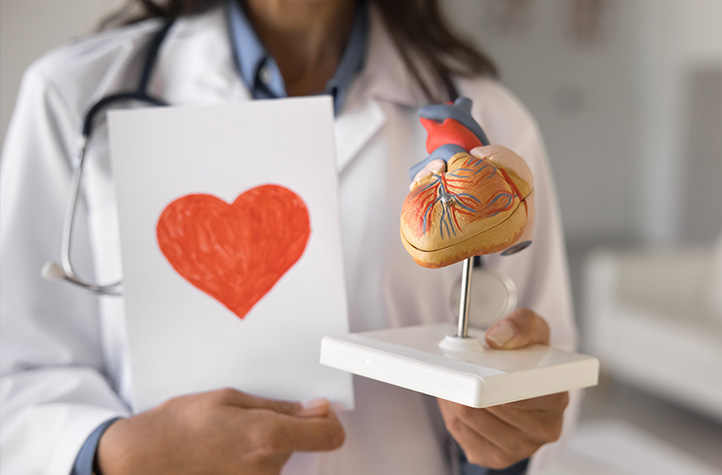
Cardiovascular disease is an umbrella term for conditions involving the heart and blood vessels. These include heart attack, stroke, arrhythmia, and heart valve disease. These disorders affect the heart and/or the blood vessels responsible for circulating blood in the body.
Cardiovascular diseases are among the most prevalent health issues in people across the world. Understanding how cardiovascular diseases develop and how they impact daily health is vital. Early awareness, combined with preventive action, can make a meaningful difference in outcomes. At Aster Hospitals, our cardiologists provide comprehensive care for your long-term health.
This article explores the types of cardiovascular disease, their causes, and associated symptoms. We will also discuss preventive measures, diagnostic approaches, and when professional cardiac care becomes necessary.
What is Cardiovascular Disease?
Cardiovascular disorders are a set of conditions that impact the heart, blood vessels, and the circulatory system. These diseases can be progressive and long-term. Some individuals experience noticeable symptoms, like chest discomfort or breathing difficulties. Others may have no obvious warning signs until the condition advances. This variability makes regular cardiac monitoring essential, particularly for those with risk factors.
Types of Cardiovascular Disease and Their Symptoms
1. Coronary Artery Disease (CAD)
It occurs when plaque accumulates along the inner walls of the coronary arteries, progressively restricting blood flow to the heart muscle tissue. This reduced circulation forces the heart to work harder, particularly during physical exertion. Chest pain, shortness of breath, and excessive fatigue are the common symptoms of CAD.
2. Heart Attack
A heart attack may occur when a vascular blockage prevents oxygen from reaching a section of the heart muscle. Major symptoms of a heart attack are chest pain, nausea, cold sweats, sudden dizziness, and pain that spreads across the arms, shoulders, back, and neck.
3. Heart Failure
In this cardiovascular condition, the heart is unable to pump blood efficiently, which in turn causes fatigue and shortness of breath. Irregular heartbeat, weakness, excessive weight gain, lack of appetite, chest pain, and difficulty in concentration are some of the most common symptoms of heart failure.
4. Arrhythmia
Arrhythmia refers to an abnormal heartbeat that may be rapid, slow, or irregular, often requiring medical evaluation. Common symptoms of arrhythmia are a fast or slow heartbeat, feeling a sensation of constant chest fluttering and pounding, and shortness of breath.
5. Stroke
A stroke may stem from a blocked or ruptured blood vessel, leading to a sudden stop in blood flow to the brain. People experiencing communication issues, numbness in the face or arms, vision disparity, and headaches are some initial signs of a stroke.
6. Peripheral Artery Disease (PAD)
This refers to reduced blood flow in the limbs, often causing pain or cramping during walking. Other symptoms of Peripheral Artery Disease are muscle pain, cramps, and a weak pulse.
Causes of Cardiovascular Disease
What causes cardiovascular disease? The answer often depends on a combination of lifestyle factors and underlying medical conditions. These factors influence how the heart and blood vessels function over time. The common causes of cardiovascular diseases are listed below
- Atherosclerosis: It is a progressive condition where fatty deposits build up inside the arteries and trigger an ongoing inflammatory response. These deposits interfere with smooth blood flow and may gradually lead to atherosclerotic cardiovascular disease that affects heart and vascular function over time.
- High Blood Pressure: Persistently raised blood pressure increases the workload on the heart. Over time, this strain can stiffen the arteries and reduce their flexibility.
- High Cholesterol Levels: Elevated levels of “bad” LDL cholesterol may contribute to the formation of plaque in arteries. Plaque growth (atherosclerosis) significantly increases the risk of cardiovascular disease.
- Diabetes: Uncontrolled blood sugar may damage blood vessels and affect heart health.
- Smoking and Alcohol: Excessive smoking and alcohol consumption may increase blood pressure, damaging the lining of blood vessels in the long run.
- Poor Diet: A saturated-fat and sugar-heavy diet may lead to obesity, hypertension, and high cholesterol.
- Physical Inactivity: A sedentary lifestyle may weaken the heart muscle and raise the risk of weight-related health issues. An inactive lifestyle influences weight gain, which directly contributes to issues like high blood pressure, poor cholesterol profiles, and impaired glucose regulation. The chances of developing cardiovascular diseases also increase in the long run.
- Chronic Stress: Long-term stress may affect hormone levels and increase blood pressure, thereby indirectly raising the risk of cardiovascular issues.
What are the Risk Factors for Cardiovascular Disease?
Cardiovascular disease is usually linked to specific risk factors, some of which include:
- Age: The risk of cardiovascular disease increases with age, especially among seniors.
- Family History of Heart Disease: Cardiovascular issues can also be hereditary, with increased risk in the case of a prominent family history.
- Gender: Men typically tend to be at a higher risk for cardiovascular disease. However, for women, the risk of being affected by cardiovascular disease increases post menopause.
- Obesity: Excess body weight may increase strain on the heart and increase the risk of related conditions such as diabetes.
- Smoking: Tobacco damages blood vessels and increases the risk of plaque build-up, which may aggravate cardiovascular diseases.
- Sedentary Lifestyle: Limited physical movement weakens the heart and contributes to unhealthy weight gain.
- Unhealthy Diet: High consumption of processed and salty foods raises the risk of metabolic problems.
- Excess Alcohol Intake: Large quantities of alcohol may lead to irregular heartbeat and high blood pressure.
Diagnosis and Tests
Accurate cardiovascular diagnosis begins with a comprehensive evaluation. Our cardiology team uses advanced diagnostic technologies to assess heart structure, function, and blood flow. Tests are chosen based on symptoms, risk profile, and medical history. Common investigations include:
- Blood Tests: They help in the assessment of ideal cholesterol levels, blood sugar, and markers of heart muscle damage.
- Electrocardiogram (ECG): This test measures the heart’s electrical signals to detect rhythm issues or past damage.
- Echocardiogram: An ultrasound image of the heart shows how well its chambers and valves are functioning.
- Stress Test: This involves monitoring the heart during physical activity to check how it performs under strain.
- CT or MRI Scan: Advanced computer imaging creates detailed pictures of the heart and vessels for deeper evaluation.
- Cardiac Catheterisation: A thin tube is inserted into a blood vessel to examine blockages or pressure inside the heart.
Treatment and Management
Managing cardiovascular disease effectively requires a combination of medical supervision, lifestyle changes, and, in some cases, surgical procedures.
Lifestyle Modifications:
- Balanced Diet: Focus on fibre-rich foods like fruits, vegetables, whole grains, and low-fat options. Balancing out protein and carbohydrates in your diet also enhances gut and heart health.
- Healthy Weight: Maintaining a stable weight reduces strain on the heart and enhances blood circulation.
- Regular Exercise: Consistent physical activity supports heart health and regulates blood pressure.
- Quit Smoking and Limit Alcohol: Avoiding tobacco and limiting alcohol consumption reduces vascular damage.
- Stress Management: Practising breathing exercises and meditation may lower blood pressure and reduce stress.
Medications:
Doctors may prescribe medicines to:
- Control blood pressure
- Lower cholesterol levels
- Reduce clot formation
- Regulate heart rhythm
Medication plans are personalised based on individual needs and risk factors.
Surgical Methods:
In some cases, procedures may be required, including:
- Angioplasty or Stent Placement: These procedures help restore blood flow in blocked arteries by surgically placing a “stent” in the affected blood vessel to reduce its blockage.
- Coronary Artery Bypass Graft (CABG): Blocked arteries may be bypassed by “grafting” blood vessels from another part of the body.
- Pacemaker or Defibrillator: These devices help manage irregular heartbeat rhythms in patients with certain types of arrhythmia.
Prevention of Cardiovascular Disease
Knowing how to prevent cardiovascular disease is an important step in staying heart-healthy. Some fundamental measures to take for a healthier heart include:
- Regular Check-ups: Frequent health screenings help track blood pressure, cholesterol, and sugar levels.
- Maintain Normal Ranges: Controlling blood pressure and cholesterol within target levels supports vessel health.
- Physical Activity: Engaging in at least 150 minutes of weekly exercise keeps the heart muscle active and strong.
- Diet Choices: Limiting processed and salty foods helps lower the risk of blood pressure elevation.
- Avoid Smoking and Manage Stress: Finding healthy coping mechanisms for stress reduces the risk of cardiovascular disease.
When to See a Cardiologist
Recognising symptoms early may prevent serious heart complications. It is important to seek medical care if you experience:
- Chest Pain, Pressure, or Tightness: These symptoms may require immediate medical evaluation.
- Irregular or Rapid Heartbeat: Abnormal rhythms may lead to further complications if left undiagnosed.
- Shortness of Breath: Difficulty breathing during light activity or at rest may indicate underlying heart problems.
- Fatigue or Swelling in Legs: These could be signs of poor blood flow or fluid retention linked to heart issues.
Booking a consultation at one of the best cardiology hospitals in Dubai puts you on track for early diagnosis, allowing timely administration of the required preventive heart care.
Conclusion
Cardiovascular disease affects millions across the globe. Yet, most cases can be mitigated through timely care and healthy living.
FAQs
Q1. What are the early warning signs of heart disease?
Chest discomfort, breathlessness, and palpitations may signal early heart problems, requiring immediate medical attention.
Q2. What causes cardiovascular disease?
Plaque build-up inside arteries, along with high blood pressure and poor lifestyle habits, are common triggers of cardiovascular disease.
Q3. What are the risk factors for cardiovascular disease?
Unhealthy diet, smoking, obesity, high blood pressure, along with a family history of heart disease, may raise cardiovascular risk.
Q4. How can I lower my risk of cardiovascular disease naturally?
Be sure to exercise regularly, eat whole foods, manage stress, and quit smoking to reduce the chances of developing cardiovascular disease.
Q5. Is heart disease the same as cardiovascular disease?
Heart disease refers to issues specific to the heart. Cardiovascular disease includes conditions affecting both the heart and blood vessels.
Q6. What foods are best to maintain cardiovascular health?
Fresh fruits, vegetables, whole grains, nuts, seeds, and lean proteins stimulate cardiovascular health by reducing cholesterol levels and improving overall blood circulation naturally.
Q7. How does sleep affect heart health?
Getting adequate sleep helps regulate blood pressure levels and hormone balance. Sleeping reduces stress and may improve long-term heart health.
Q8. Which sleeping position is good for the heart?
Sleeping on your left side or on your back may improve blood circulation and reduce pressure on the heart, especially for individuals managing high blood pressure.
Q9. What are the symptoms of a stroke?
Stroke is characterised by the sudden onset of the following symptoms:
- Numbness or Weakness on One Side: Sudden loss of strength or sensation in the face, arm, or leg may be a warning sign.
- Difficulty Speaking or Understanding: Confused speech or inability to follow simple conversations may point to a neurological issue.
- Loss of Balance or Vision Problems: Sudden dizziness or blurred vision may indicate reduced blood flow to the brain.
References:
https://link.springer.com/chapter/10.1007/978-981-16-1037-0_37
https://www.inosr.net/wp-content/uploads/2019/11/INOSR-AP-41-1-8-2018.pdf
https://world-heart-federation.org/wp-content/uploads/World-Heart-Report-2023.pdf