


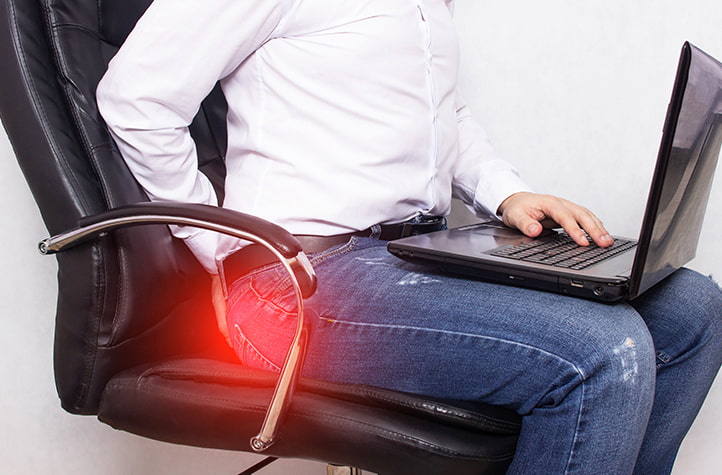
Haemorrhoids or piles are swollen veins in the lower rectum or anus. Depending on the affected area, they can be internal or external. Some can be painless, and others can result in a lot of swelling, irritation, or haemorrhoid pain when passing bowels.
Early symptoms of haemorrhoids may include minor rectal bleeding, discomfort after prolonged sitting, or persistent anal itching. These signs are often overlooked but may indicate an underlying anorectal condition.
Understanding what haemorrhoids are, what causes haemorrhoids, and how they present themselves helps in both treatment and prevention.
With appropriate care, the condition can be managed early, reducing the risk of complications that interfere with daily life.
This article explains what causes haemorrhoids, along with haemorrhoid symptoms, and how treatment decisions are made. For accurate diagnosis and care, individuals may consult the best gastroenterologist in Dubai at a recognised hospital.
What are Haemorrhoids?
Haemorrhoids develop when the veins in the lower rectum become swollen due to prolonged pressure. These vascular cushions normally support continence in bowel movement and help seal the anal canal. When exposed to excessive strain or vascular congestion, they become enlarged or prolapse. Haemorrhoids are classified into four grades based on severity, ranging from Grade I (no prolapse) to Grade IV (permanent prolapse requiring intervention).
There are three common types of haemorrhoids:
- • Internal haemorrhoids: These develop inside the rectum. They are usually painless but may bleed during bowel movements. A prolapsed internal haemorrhoid may protrude outside the anal opening.
- • External haemorrhoids: These occur under the skin surrounding the anus. They may cause pain, discomfort, or noticeable swelling near the anal area.
- • Thrombosed haemorrhoids: These develop when a blood clot forms inside an external haemorrhoid. This may cause severe haemorrhoid pain, inflammation, or a hard lump.
What Are the Symptoms of Haemorrhoids?
The symptoms of haemorrhoids vary depending on their type, severity, and associated complications. In most cases, the symptoms are mild and may improve without medical treatment.
- • Bright red bleeding during bowel movements: Bright red rectal bleeding on toilet paper or in the toilet bowl after stool.
- • Itching or irritation of the anus: This occurs when mucus or residual stool is released, irritating the sensitive anal skin.
- • Pain, especially when sitting or passing stool: This is a typical symptom of external or thrombosed haemorrhoids due to inflamed tissue or clot formation.
- • Anal swelling or lump formation: This may indicate external haemorrhoids or a prolapsed internal haemorrhoid.
- • Stool mucus (in severe cases): This indicates irritation or internal tissue prolapse.
If you are experiencing any of these symptoms, such as persistent pain, excessive bleeding, or prolapse during bowel movements, you should immediately consult an experienced specialist at a leading gastroenterology hospital in Dubai.
What Causes Haemorrhoids?
Haemorrhoids develop due to increased pressure in the rectal veins, often aggravated by multiple risk factors.
- • Chronic constipation or diarrhoea: Both strain bowel habits and result in vascular congestion of the rectal region.
- • Hard bowel movements: This exerts direct pressure on the rectal cushions and may lead to their swelling or prolapse.
- • Prolonged sitting on the toilet can place continuous pressure on the anal veins, disrupting normal blood circulation.
- • Low-fibre diet: Leads to hard stool and constipation, thereby complicating defecation.
- • Pregnancy (increased abdominal pressure): The pressure of the uterus on the pelvic veins may lead to the impairment of the venous return, which leads to the development of haemorrhoids.
- • Obesity: Excess abdominal fat puts pressure on the pelvic structures, predisposing to venous congestion.
- • Weakness and ageing of rectal tissue: Degeneration of connective tissue may make it easier for the anal cushions to slide down.
Diagnosis of Haemorrhoids
A complete diagnosis involves physical examination and visual inspection to determine the type and severity of haemorrhoids. This process also helps to exclude more serious conditions.
- • Physical examination: External inspection can detect haemorrhoids in the anal opening, which are swollen or thrombosed.
- • Digital rectal examination: The internal haemorrhoids or abnormalities in the rectal canal are assessed with the help of a gloved finger.
- • Anoscopy or sigmoidoscopy: These examinations help visualise internal haemorrhoids or rule out other causes of rectal bleeding, including polyps or tumours.
- • Additional tests: Tests such as colonoscopy may be recommended in patients with persistent bleeding, anaemia, or if their age is above 45 years to exclude colorectal cancer or inflammatory bowel disease.
Treatment Options for Haemorrhoids
Treatment varies based on the severity, duration of symptoms, and presence of complications. In most cases, early-stage haemorrhoids respond to non-invasive care & corrective measures.
1. Home Remedies and Lifestyle Changes:
- • Consume more fibre from fruits, along with vegetables and whole grains. It helps soften the stool and reduces strain during bowel movements.
- • Drink enough water every day. It keeps the stool moist and helps prevent constipation.
- • Avoid straining while passing stool. This helps lower rectal pressure and prevents further prolapse.
- • Take sitz baths when discomfort increases. These are a simple, soothing treatment where you sit in warm, shallow water to cleanse and relieve the lower pelvic area. Sitting in warm water helps reduce inflammation and provides relief to the affected area.
- • Apply over-the-counter creams or wipes that contain witch hazel or hydrocortisone. These products help ease itching and irritation.
2. Medical Treatments:
- • Prescription ointments or suppositories for inflammation: Used when over-the-counter treatments are ineffective.
- • Rubber band ligation (ties off internal haemorrhoids): This procedure cuts off the blood supply, causing the haemorrhoid to shrink and eventually fall off.
- • Sclerotherapy (injection to shrink haemorrhoids): A chemical solution is injected to make the affected tissue smaller.
- • Infrared coagulation or laser therapy: Heat-based methods of sealing haemorrhoidal blood vessels and shrinking them.
- • Surgical haemorrhoidectomy (in large or chronic cases): Haemorrhoids may be surgically removed if other treatments fail.
Prevention and Lifestyle Management
Preventive care focuses on reducing the pressure exerted on the rectal veins. These steps also reduce recurrence after successful treatment.
- • Eat a high-fibre diet to loosen stool: A high-fibre diet helps prevent constipation and reduces the risk of haemorrhoids recurrence.
- • Regular exercise to avoid constipation: Physical activity helps to stimulate intestinal activity and avoid haemorrhoids.
- • Sitting: Avoid prolonged sitting, particularly on the toilet, as it increases pressure on the rectal veins.
- • Act on bowel urges: Stool retention raises rectal pressure and can aggravate haemorrhoid symptoms.
Complications of Untreated Haemorrhoids
Even though haemorrhoids are not regarded as dangerous, negligence towards care can lead to complications.
- • Anaemia (because of chronic blood loss): Ongoing bleeding may reduce red blood cell levels and cause fatigue.
- • Thrombosis (painful clots): When blood clots develop in external haemorrhoids, the outcome is excessive pain and swelling.
- • Infection or ulceration: The damaged tissue can become infected, or painful sores can occur.
- • Prolapse (internal haemorrhoid sticks out of the anus): It can lead to hygiene issues, irritation, and additional inflammation.
Recovery and Follow-up Care
Mild haemorrhoids usually resolve within one week when managed with dietary and hygiene adjustments.
- • Maintain bowel regularity with diet and exercise: Prevents future episodes and supports anal tissue healing.
- • Post-surgical recovery (if required): Requires 1–2 weeks with attention to hygiene, rest, and stool softening.
- • Follow-up visits to prevent recurrence: Helps monitor recovery and adjust treatment if necessary.
When to See a Gastroenterologist
Some cases require immediate attention from a specialist to ensure accurate diagnosis and care planning from the best gastroenterologist in Dubai, available at Aster Hospitals.
- • Heavy rectal bleeding: This needs immediate assessment to rule out other conditions and treat the risk of anaemia.
- • Extreme pain or swelling: It may be a sign of thrombosis or infection that requires treatment.
- • Black or tarry stools: Could reflect bleeding higher up in the digestive tract, unrelated to haemorrhoids.
- • Recurrence after home treatment: Persistent symptoms may require procedural or surgical options.
Individuals experiencing persistent rectal bleeding or severe haemorrhoid pain should visit a reliable gastroenterology hospital in Dubai for proper evaluation.
Conclusion
Haemorrhoids are a condition that can affect individuals of all ages. Most cases can be resolved without severe complications when diagnosed early and treated appropriately. Mild symptoms can be managed with lifestyle interventions such as increasing dietary fibre intake, staying hydrated, and avoiding straining. In later stages, medical interventions are used to provide long-term relief. With timely diagnosis, lifestyle modification, and appropriate medical care, most patients achieve effective symptom control and improved quality of life.
With appropriate lifestyle modifications and timely medical care, haemorrhoids can be effectively managed, allowing individuals to maintain a comfortable quality of life.
FAQs
1. What triggers haemorrhoids?
Side effects of haemorrhoids are triggered by increased pressure in rectal veins due to chronic constipation, straining during bowel movements, prolonged sitting, pregnancy, obesity, or a low-fibre diet, affecting bowel habits and circulation.
2. How long do hemorrhoids typically last?
Mild haemorrhoids often improve within 5–7 days with proper care. Severe, recurrent, or thrombosed haemorrhoids may persist longer and require medical treatment or minimally invasive procedures for complete recovery.
3. What is the doctor to see about haemorrhoids?
A gastroenterologist or colorectal specialist diagnoses and treats haemorrhoids through clinical evaluation, medication, or procedures. Patients may consult specialists at advanced centres in Dubai for comprehensive digestive care.
4. What are haemorrhoids?
Haemorrhoids are swollen veins in the lower rectum or anus caused by increased pressure. External haemorrhoids form painful anal lumps, while internal haemorrhoids develop inside the rectum and may bleed or prolapse.
5. What are the signs of haemorrhoids?
Common haemorrhoids symptoms include bright red rectal bleeding, anal itching, swelling around the anus, discomfort during bowel movements, mucus discharge, and persistent haemorrhoid pain, depending on severity and type.
6. How to cure a haemorrhoid?
Early haemorrhoids improve with fibre intake, hydration, sitz baths, and topical medicines. Persistent or severe cases may require prescription therapy, rubber band ligation, or surgery for long-term haemorrhoid pain relief.
7. Do haemorrhoids go away?
Haemorrhoids may resolve with lifestyle changes and medical care. However, recurrence is possible without corrective measures such as a high-fibre diet, regular exercise, hydration, and avoiding excessive straining during bowel movements.
8. How to avoid haemorrhoids?
Haemorrhoid prevention includes eating a high-fibre diet, maintaining hydration, regular physical activity, avoiding prolonged sitting, responding promptly to bowel urges, and preventing constipation to reduce pressure on rectal veins.
References:
https://pmc.ncbi.nlm.nih.gov/articles/PMC3342598/pdf/WJG-18-2009.pdf
https://www.webmd.com/digestive-disorders/understanding-hemorrhoids-basics