

Specialist Gastroenterology
Aster Hospital, Mankhool
Aster Cedars Hospital & Clinic, Jebel Ali
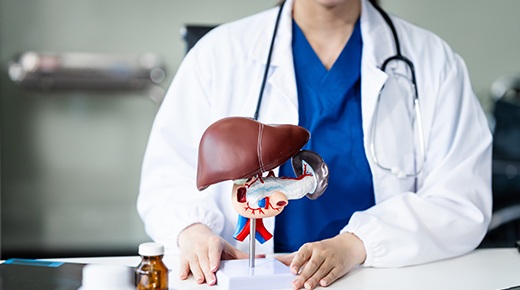
Digestive and liver health play a vital role in how our body feels, functions, and heals. At Aster Hospitals, our dedicated gastroenterology and hepatology specialists first diagnose and treat a versatile spectrum of conditions affecting the digestive tract and liver, from common stomach discomfort to complex liver disease.
We combine advanced diagnostics with compassionate, personalised care to help every patient feel understood, supported, and well. This department offers a wide range of diagnostic and therapeutic gastroenterology procedures designed to detect disease early, relieve symptoms, and support long-term digestive health.
At Aster Hospitals, one of the best gastroenterology hospitals in Dubai, we believe care for the digestive or liver condition should be coordinated, comfortable, and clinically precise. Our multidisciplinary approach ensures that every diagnosis and treatment plan is handled by experts who truly understand what the body needs.
Digestive and liver conditions can range from mild discomfort to long-term illnesses that need regular care. The best gastroenterologist in Dubai at Aster Hospitals works together with hepatology specialists to identify the cause, offer timely and comprehensive treatment, and guide patients toward total recovery and long-lasting relief.
Our digestive system breaks down food, absorbs nutrients, and eliminates waste, so when a medical condition occurs, patients can feel it almost immediately, and they require swift medical attention. Our gastroenterologists treat a wide range of concerns that affect the stomach, liver, intestines, and nearby organs.
The liver is the body's prime organ that processes nutrients, medicines, and toxins. When it’s inflamed or damaged, symptoms may appear slowly, making early detection crucial. Our hepatology team uses advanced imaging and testing to identify and manage these conditions effectively.
Detecting issues early allows for gentler treatments, better recovery, and long-term protection of our digestive health. Conditions like acid reflux, ulcers, fatty liver disease, hepatitis, or inflammatory bowel disease can worsen without immediate medical attention. Moreover, late diagnosis may lead to liver failure, internal bleeding, or even cancer.
Accurate diagnosis is the first step towards effective treatment. At Aster Hospitals, our gastroenterology and hepatology departments are equipped with advanced technology that helps detect even subtle changes in the digestive tract and liver. It enables us to begin the treatment early and precisely. Our specialists perform a wide range of diagnostic and therapeutic procedures in safe, fully monitored environments.
These procedures help our doctors see inside the digestive system, diagnose the cause of symptoms, and in many cases, treat problems without major surgery.
Liver and bile duct conditions often progress silently. Specialists at our hepatology hospital use high-precision tools to evaluate liver structure, function, and blood flow, offering a clearer understanding of the condition.
As a dedicated stomach hospital, Aster Hospitals evaluates and examines persistent abdominal discomfort, indigestion, ulcers, and bowel concerns through evidence-based treatment and personalised dietary guidance.
If anyone experiences frequent heartburn, persistent bloating, abdominal pain, unexplained fatigue, yellowing of the eyes or skin, or changes in bowel habits, they should immediately consult a gastroenterology & hepatology specialist. Even if mild, these symptoms can signal issues in the digestive tract or liver. Early detection and consultation help identify the cause and prevent complications before they affect our daily lives.
Care begins with a detailed and structured consultation. Many patients attend our specialist with their General Practitioner (GP) referral. They may directly schedule appointments with our specialists. During the first visit, the specialist conducts a comprehensive assessment. They refer to the symptoms, medical history, medications, lifestyle patterns, and family history carefully.
Digestive and liver conditions often develop gradually, so even subtle details also matter to ensure effective recovery and long-term outcomes. Furthermore, patients receive a clear explanation of possible causes and the rationale behind recommended tests.
Accurate diagnosis forms the cornerstone of effective gastroenterology and hepatology care. Clinical investigations may include blood tests to assess liver function, infection markers, and inflammation levels. Moreover, our specialists conduct imaging studies such as ultrasound, CT scan, MRI, or endoscopies to obtain detailed visualisation of internal organs.
In certain cases, minor therapeutic interventions can be performed during the same procedure. Our specialists explain everything from safety protocols, preparation guidelines, and recovery expectations in simple and reassuring language for ease of understanding.
Once results are reviewed, a personalised treatment strategy is developed. This plan reflects the diagnosis, severity of the condition, overall health status, and long-term risk factors. Our gastroenterology & hepatology specialists prescribe targeted medications to control inflammation, infection, or acid production.
In addition to that, they offer structured lifestyle guidance to support medical therapy, especially in metabolic or liver-related conditions. For selected cases, interventional endoscopy may address issues such as bleeding, strictures, polyps, or bile duct obstruction.
Surgery is suggested only when it is truly necessary. Doctors first review the case carefully as a team. This team may include gastroenterologists, surgeons, radiologists, and other specialists. They study test results and discuss the safest option before making a decision. The specialists aim to protect the affected organ in the long run. They also work to prevent future problems or serious complications.
Digestive and liver disorders frequently require ongoing monitoring. Scheduled follow-up visits help doctors check if the treatment is working as expected. They adjust or modify medicines or care plans to improve results. Chronic conditions such as fatty liver disease, viral hepatitis, or inflammatory bowel disease require continuous care throughout periodic blood tests or imaging studies to ensure stability.
Moreover, patient education plays a critical role. Patients receive clear instructions about warning signs and healthy habits. This includes diet changes, exercise, and medication schedules. Early action can prevent serious problems. This step-by-step and caring approach for gastroenterology treatment in Dubai keeps treatment organised and clear. It supports steady recovery and protects digestive and liver health over the long term.
At Aster Hospitals, digestive and liver care extends beyond symptom management. Our specialists follow evidence-based clinical protocols. They work closely with dietitians, radiologists, surgeons, and physiotherapists to create a treatment plan that supports every aspect of health. From nutrition advice to post-procedure follow-up, each step is guided by clear communication and shared expertise, ensuring a smooth, supported, and personalised recovery.
Many people experience burning or heartburn after eating, but when this happens frequently (more than twice a week) and starts affecting daily life, it’s considered GERD (a chronic form of reflux that can damage the food pipe).
A gastroenterologist deals with digestive system disorders affecting the stomach, intestines, pancreas, and colon, while a hepatologist is a subspecialist focusing mainly on the liver & biliary tract, including hepatitis, cirrhosis, and fatty liver conditions.
Consult a hepatologist if you notice jaundice, persistent fatigue, abdominal swelling, liver abnormalities, or signs of hepatitis. Symptoms such as fatty liver, cirrhosis risk, or abnormal liver tests require specialised evaluation and management of liver-related diseases.
A colonoscopy is a procedure that inserts a thin tube inside the colon with a fixed camera. It helps detect polyps, inflammation, or cancer. The procedure usually involves bowel preparation, mild sedation, and a short recovery time.
No. IBS (Irritable Bowel Syndrome) affects how your gut functions and doesn’t usually cause tissue damage, whereas IBD (Inflammatory Bowel Disease) includes Crohn’s and ulcerative colitis, a condition where there is real inflammation in the digestive tract.
Yes. Some foods trigger symptoms like gas, bloating, or reflux. A gastro specialist and dietitian can help tailor a nutrition plan that often reduces symptoms and helps you feel better faster.
Early liver-related issues can be subtle and can be ignored by you. But persistent fatigue, GI bleeding, abdominal pain, loss of appetite, nausea, abdominal discomfort, or yellowing of skin and eyes deserve medical evaluation. For accurate diagnosis and advanced treatment of liver-related conditions, consultation with an experienced hepatologist in Dubai is strongly recommended.
Yes. Many liver conditions are first identified and managed by gastroenterologists, who use blood tests, imaging, and sometimes biopsies to tailor treatment plans and monitor liver health over time.
Yes, a reverse condition can occur if someone with a fatty liver adapts proper lifestyle choices, by maintaining a healthy diet, weight, and controlling metabolic health. Timely diagnosis and medical guidance are important to stop progression and prevent liver damage or related complications.
Last updated: 03-07-2026