

Aster Hospital logo  0
  • Patient Portal
  • Appointments
  • Specialities
  • Facilities
    • myAster
    • Emergency Services
    • ICU & NICU
    • MVT -Brochure
    • Orthopaedic
    • Hospital Rooms
    • Operation Theatre
    • Cardiac Catherization Lab
    • Aster Day Surgery Centre
    • Pharmacy
    • Aster Preventive Health Check
    • FAQ’s – Health check
    • Aster Clinic
    • Plan your visit
    • Aster Nuture
    • Aster Integrated Liver Clinic
    • PCOS (Polycystic ovarian syndrome) Clinic
    • GERD Clinic
  • Locations
  • International Patients
    • UK Patients
    • Turkey Patients
    • Russia Patients
    • Tanzania Patients
    • Nigeria Patients
  • AlTadrib (The Training)
(+971) 44 400 500
Switch to Arabic

About Us

  • About Aster
  • Chairman’s Message
  • Vision Values and Promise
  • Executive Management
  • Careers
  • Aster Volunteers
  • Our New Earth
  • Bio-Medical Waste Report
  • HSE Policy Statement

Newsroom

  • Events and News
  • Patient Testimonials
  • Health Library
  • Campaigns

Patient Guide

  • Admission and Discharge
  • Insurance
  • Guidelines for Patients & Attendants
  • Patients Rights and Responsiblities
  • Privacy Policy
  • International Patients
  • Specialty Doctors
Book an Appointment
Home Care
Specialisations

Heart Attacks in Younger: Age How to Avoid

Updated On: 13/03/2026
Heart Attacks
Cardiology
Facebook X / Twitter LinkedIn WhatsApp

Heart attacks, cardiac arrest, and other cardiovascular diseases have been a major public health concern, but these problems have only been recently surged problems among the younger population. While doctors and medical professionals have yet to find definitive answers to such occurrences, they have decoded a few factors that may be contributing to them.

Cardiovascular diseases have existed since ages. It is not a recent diagnosis or discovery, but has been wreaking havoc for quite some time. Heart diseases, however, have found a way to affect the younger population, deviating from their usual pattern of affecting the elderly and those with pre-existing heart conditions. This has sparked concerns and prompted people to question the science behind it. Aster Hospitals offers one of the best heart attack treatment in Dubai.

Symptoms

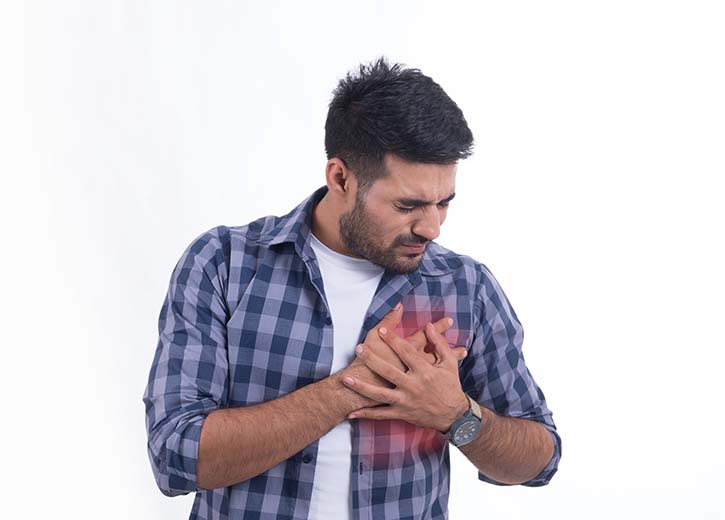
Heart attack symptoms vary greatly. Not everyone experiences symptoms of the same severity. Some people have mild symptoms, while others have severe symptoms. However, people may experience warning symptoms hours, days, or weeks in advance. The earliest and most common is angina (chest pain), which can be caused by exertion and relieved by rest.

Common symptoms include:

· Chest pain or discomfort. Chest pain is the most common heart attack symptom, but some women may experience it differently than men.

· Pain in your arm(s), back, neck, or jaw.

· Stomach pain.

· Shortness of breath, nausea, or light-headedness.

· Sweating.

· Fatigue.

If you experience these symptoms, consult the best cardiologist in Dubai.

Risk Factors

Certain factors may play an important role in a person developing heart disease. Some are curable and controllable, while others are not. Some risk factors are inherited, while others are the result of a sedentary lifestyle.

Blood Pressure

It could be hereditary or caused by other diseases (secondary hypertension). In most cases, lifestyle changes can aid in the management of high blood pressure.

Cholesterol

High cholesterol levels cause the formation of fatty plaques, which may lead to the narrowing of vessels carrying blood to the heart (atherosclerosis). Atherosclerosis can eventually lead to heart disease.

Tobacco smoking

Nicotine (an active ingredient in tobacco) constricts blood vessels, placing an additional strain on the heart.

Obesity

Obesity is a major cause of heart disease. Obese people require more blood to supply oxygen, which raises blood pressure. A heart attack can be caused by high blood pressure.

Prevention

Changes in Lifestyle

Quit smoking

Quit smoking if you smoke. Encourage anyone in your household who smokes to quit. We understand how difficult it is. It is, however, more difficult to recover from a heart attack or stroke or to live with chronic heart disease. Commit to quitting. If you require assistance, please consult a doctor.

Diet

A healthy diet is one of the most effective weapons in the fight against cardiovascular disease. The foods you eat (and how much you eat) can have an impact on other risk factors that you can control, such as cholesterol, blood pressure, diabetes, and being overweight.

Lifestyle, diet, and genetic factors are all contributing to an increase in heart attacks in people in their 30s and 40s.

Previous Post

Ulcerative Colitis - Causes, Symptoms, Diet & Treatment

Next Post

Are women more prone to Thyroid Issues

  • 297 Shares
  • 62
  • 15
  • 90
  • 15
  • 115

categories

  • All
  • Bariatric & Metabolic Surgery
  • Cardiology
  • Clinical Nutrition & Dietetics
  • Community Health & CSR
  • Dentistry
  • Dermatology
  • Dermatology & Cosmetology
  • Diagnostics & Pathology
  • Diet & Nutrition
  • Dietetics
  • Endocrinology
  • ENT
  • Gastroenterology
  • Gastroenterology And Hepatology
  • General And Laparoscopic Surgery
  • General Medicine
  • General Surgery
  • Infectious Diseases
  • Internal Medicine
  • Nephrology
  • Neurology
  • Neurosurgery
  • Obstetrics and Gynecology
  • Oncology
  • Ophthalmology
  • Orthopedics
  • Orthopedics & Sports Medicine
  • Pediatrics
  • Pediatrics and Neonatology
  • Plastic & Reconstructive Surgery
  • Plastic Surgery
  • Pregnancy Care
  • Preventive / General Medicine
  • Preventive & Lifestyle Medicine
  • Pulmonology
  • Radiology
  • Rheumatology
  • Urology
  • Vascular Surgery

Recent Posts

Signs of Heart Valve Disease: Symptoms You Shouldn't Ignore

Feeling unusually short of breath or becoming…

Read more
CABG vs Angioplasty (Stenting): Which Is Better for Blocked Arteries?

Your heart depends on a steady flow of oxygen-rich…

Read more
What Is Life Like After CABG Surgery? Recovery and Long-Term Health

Mental preparation for heart surgery can be…

Read more

INSURANCE COVERAGE

NETWORK INPATIENT OUTPATIENT
Comprehensive+
Standard
Comprehensive
General
Comprehensive
Standard
Elite
Gold
Platinum
Silver
Premium Plus
Premium
Gold
Silver
Image
Book an Appointment
Request Callback

MyAster App
Patients Services
  • Patient Log In
  • Admission and Discharge
  • Insurance
  • Guidelines for Patients
  • Patient Rights and Responsibilities
  • Service Providing Policy
  • Refund/Return Policy
  • Cancellation Policy
  • Website Privacy Policy
  • Cookie Policy
  • Consult Doctor
  • Specialty Doctors

MyAster App Download Banner
Aster DM
Corporate
  • About Aster
  • Chairman’s Message
  • Vision Values and Promise
  • Leadership Team
  • CSR - Aster Volunteers
  • Careers
About Us
  • About Aster DM
  • Awards & Accolades
  • Our Doctors
  • Investors
  • HSE Policy Statement
Aster Media Centre
  • News & Events
  • Health Library
  • Patient Testimonials
  • Clinical Excellence

News Room

Aug 19, 2026

Feeling unusually short of breath or becoming tired after simple everyday activities is not always a…

Aug 13, 2026

Your heart depends on a steady flow of oxygen-rich blood to keep working properly. When the arteries…

Corporate HQ
33rd Floor, Aspect Towers,
Business Bay, Dubai, UAE
info@asterhospital.com
  • linkedin
  • facebook
  • twitter
  • youtube
  • instagram
(+971) 44 400 500

Our Exclusive Privilege Partner


Hello

© 2026 ASTER GROUP. All rights reserved.

MOH NUMBER: KPR0OMSI-160525

Site designed and developed by


Register here for a Free Checkup