

A tummy tuck or abdominoplasty surgery helps in removing and/or sculpting excess skin from the abdominal area. It is especially ideal for a person having sagging skin in the abdomen, due to sudden weight loss, after pregnancy, or simply due to ageing.
What is a Tummy Tuck (Abdominoplasty)?
A tummy tuck or abdominoplasty removes additional skin and fat that hangs around the tummy or belly and stitches the stretched abdominal muscles back together. This procedure helps patients finally get rid of their bloated tummy or the deflated pouches of skin left after major weight loss.
For many people who search for the most effective plastic surgery in Dubai to reduce a layer of hanging skin from the belly, the tummy tuck procedure offers a flatter, tighter belly that actually matches the effort they have made during their weight loss.
Who is an Ideal Candidate?
Tummy tucks may be recommended by your cosmetic surgery specialist in specific cases, based on individual profile history. For example:
- • Mothers whose stomachs never bounced back after having kids (often with separated muscles that no amount of planks will fix)
- • People who have lost a significant amount of fat from their belly and now live with loose skin
- • Men and women in their forties or fifties who start experiencing sagging skin due to ageing.
As long as a person's weight has stayed steady for at least six months, they don’t smoke, and they are physically fit enough for surgery, they are often a suitable candidate to opt for a tummy tuck procedure.
Types of Tummy Tuck Procedures
The tummy tuck or abdominoplasty recovery procedure offers three different surgical options depending on the condition of sagging belly skin.
Full (Traditional) Tummy Tuck
In a full tummy tuck surgery, doctors make a low, curved cut from hip bone to hip bone and free up the skin tissue right to the ribs. The surgeon pulls the separated muscles together with permanent internal stitches, trims away the excess, and pulls what’s left to create a smooth surface. The standard tummy tuck is suitable for anyone with loose skin both above and below the navel.
Mini Tummy Tuck
People who only have loose skin below the belly button can opt for a mini tummy tuck. This is comparatively a quicker and simpler procedure, and the patient can fully recover and resume their daily tasks within ten days. This is especially applied for removing smaller scars (often tucked inside an old C-section line for women) or excess skin below the belly button.
Extended Tummy Tuck
After bariatric surgery or major weight loss and visceral fat loss, skin doesn’t just hang at the front; rather, it wraps around the hips and flanks too. The extended version of a tummy tuck carries the incision around towards the back and lifts the whole lower torso in one go. Patients can redefine their waistline with this extended tummy tuck procedure.
For convenient reference, here is a general overview of the distinct types of tummy tuck procedures:
How Tummy Tuck Surgery Works
Step-by-Step Procedure
- 1. Anaesthesia: Tummy tuck candidates need to fast before the procedure. The surgeon ensures optimal patient positioning under thermal management blankets, while the anaesthetist induces a state of controlled unconsciousness.
- 2. Incision: Next, the surgeon makes the incision. They lift the skin to facilitate trimming and reorientation.
- 3. Muscle Tightening: For a profound look, they stitch the muscles firmly together down the middle.
- 4. Skin Repositioning: Excess skin is moved and tucked to meet the new edges of the incisions.
- 5. Closure: Finally, they create a new hole for the belly button and place a few internal stitches to take tension off the minimal scar.
Duration and Hospital Stay
The candidate wakes up after two to four hours of the surgery with a firm binder around their waist. Most of the patients go home the same afternoon from the day-surgery unit. However, some prefer to stay overnight in the hospital for observation and additional care.
What to Expect During Recovery
Immediate Post-Surgery Phase
- • Days 1 to 3 are the tightest – the patient will walk slightly bent forward, and that’s completely normal. Pain is generally manageable; most people switch to regular painkiller support by day five.
- • The drains come out around day seven. During that time, the excess fluids are seamlessly removed from the surgical area. However, the binder stays on for a month to ensure full removal of loose skin.
- • By week three, the patient can resume their daily activities and can even drive again. Cosmetic surgeons typically suggest that patients move a little and often from day one, but they prohibit lifting anything heavier for six weeks.
Long-Term Recovery Tips
Patients should wear compression garments after surgery, drink plenty of water, and eat protein to ensure that the swelling settles smoothly. After six months, the scar softens, and the last bit of puffiness will disappear.
Follow your recovery plan closely for optimal results.
Risks and Possible Complications
Common Temporary Effects
- • Patients may experience mild numbness around the incision area along with bruising and swelling.
- • During the early stage of recovery, patients may feel significant discomfort around the surgical area of their waistline.
Potential Complications (Though Rare)
- • Some patients may develop an infection, and that may delay their recovery.
- • Initially, some patients can find scars after surgery, but with time, they usually fade.
- • Some people get a little fluid collection or seroma that surgeons drain in the clinic.
- • In some cases, patients may observe asymmetry or may experience a change in skin sensation.
How to Minimise Risks
First, tummy tuck candidates should immediately stop smoking. Moreover, patients should follow all post-surgery instructions. It will ensure a faster and more secure way to ideal tummy tuck results.
Results and Long-Term Benefits
Expected Outcomes
- • Patients can feel smoother skin in their waistline after a successful abdominoplasty surgery. This procedure improves muscle tone and facilitates a tighter abdomen.
- • After this surgery, most patients experience a significant lift in their confidence level with an enriched posture.
- • Patients who maintain a healthy lifestyle as directed by their abdominoplasty physicians can streamline their recovery with tangible results from this surgery.
Maintaining Results
- • The primary reason for a swollen belly is a lack of physical activity. That accumulates excess fat around the waistline. Patients who maintain a regular exercise habit and consume a balanced diet can avoid weight gain and maintain their abdominal profile.
- • Patients must continue their skincare routine as directed by their plastic surgeon.
Finding the Best Plastic Surgeon in Dubai
Dubai has several advanced, state-of-the-art facilities for plastic surgeries. Moreover, they should select DHA-licensed, JCI-accredited plastic surgery hospitals to ensure optimum safety and success.
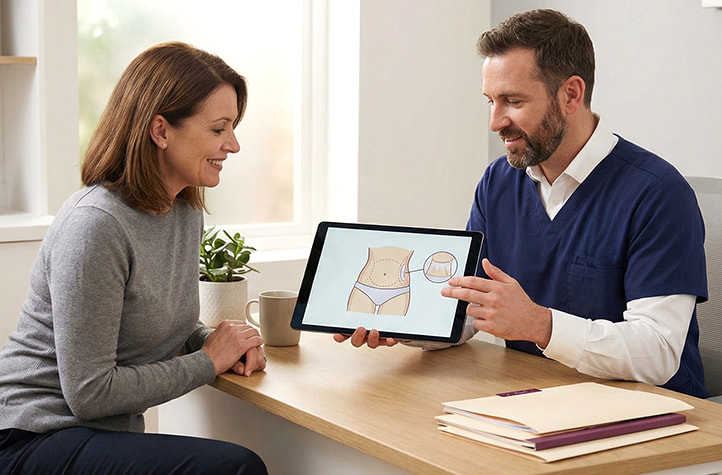
Furthermore, patients should review before-and-after portfolios, patient testimonials, and other details for a practical idea of the expertise of their preferred plastic surgeon in Dubai. After reviewing detailed information and past performance, patients need to book a consultation at a leading plastic surgery hospital to discuss their tummy tuck options in depth.
Conclusion
A tummy tuck isn’t just about aesthetics. In fact, it’s about finishing the job that a patient started when they chose to lose weight. After complete weight reduction, they can consult a licensed abdominoplasty surgeon in Dubai with years of experience in performing a tummy tuck for the best outcomes. After a thorough assessment, they will suggest whether the candidate requires mini, full, or extended tummy tuck procedures.
Patients will recover within 2 to 6 weeks, depending on their particular conditions, and can resume their daily tasks. If you are seeking a smoother, flatter abdominal contour, consult a reputed plastic surgery hospital in Dubai to ensure safe procedures and durable, clinically effective results.
Frequently Asked Questions
1. What is a tummy tuck, and who should consider it?
Tummy tuck or abdominoplasty is performed to remove excess skin from the belly. People who experience sudden weight loss and have excess skin after pregnancy can opt for this procedure. It is also effective for elderly persons with saggy skin.
2. How long will a tummy tuck last?
A tummy tuck may last a lifetime if the patient follows all instructions. Most of the stretch marks below the belly button disappear as the skin is removed. Ones above the navel usually stay, but often look fainter once the skin is pulled tight.
3. Is pregnancy feasible after a tummy tuck?
Yes, tummy tuck candidates can have children. However, another pregnancy will stretch the muscles again and undo a lot of the repair. Most of the renowned plastic surgeons in Dubai provide dedicated advice on tummy tuck feasibility in such cases.
4. Is abdominoplasty a major surgery?
The majority mainly depends on the patient's conditions, along with the type of tummy tuck procedure. Patients may resume gentle walking from day one, light cardio at six weeks, full gym and heavy weights at three months.
5. Are tummy tuck results permanent?
Yes, it brings permanent results with a decent lifestyle. The scar sits low and fades to a thin white line within a year or two.
6. Can a tummy tuck be combined with liposuction?
Yes, patients may combine them if they prefer, especially around the flanks and upper abdomen, for a smoother, more sculpted look.
7. Where can I find the best plastic surgeon in Dubai for abdominoplasty?
People with excess skin in their belly should visit Aster Hospitals, which is one of the best plastic surgery hospitals in Dubai, and consult with top-rated plastic surgeons for abdominoplasty (tummy tuck) or several other procedures.