


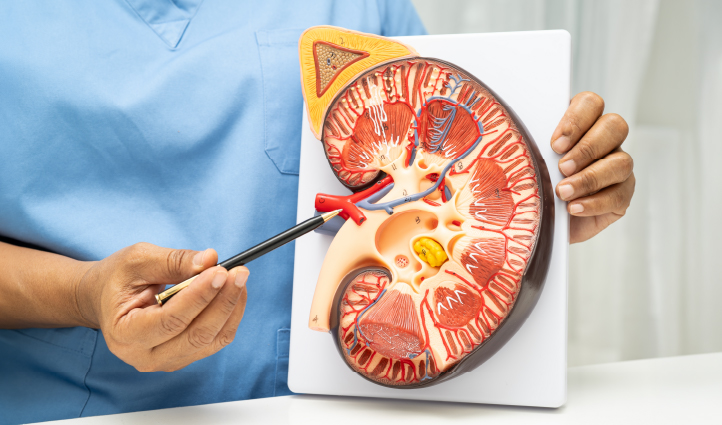
We often take our internal organs for granted until something goes wrong, and your kidneys are a perfect example of this. Tucked away beneath your ribcage, these two fist-sized, bean-shaped organs work tirelessly behind the scenes. They filter your blood, balance your fluids, and flush out waste, yet we rarely think about kidney health until a problem actually surfaces. By the time you notice something is off, your kidneys could already be struggling. Let's discuss how these organs work, how to look after them, and the everyday changes you can make to keep them running smoothly for the rest of your life.
What Do Your Kidneys Actually Do?
Your kidneys are essentially your body's master filtration system. Every single day, they process about 180 litres of blood to sift out roughly 1.8 litres of extra water and waste products, which are removed as urine. But they do much more than just take out the trash. They play a massive role in regulating your blood pressure, balancing the chemicals and minerals in your blood, and producing hormones that help make red blood cells and keep your bones strong. When your kidney health declines, this entire delicate system is thrown off balance, affecting your whole body.
How to Check Kidney Health
Because kidney disease rarely shows symptoms in its early stages, knowing how to check kidney health is incredibly important. You cannot rely on how you feel to know if your kidneys are working properly. Instead, doctors use simple, routine tests to see how well they are filtering your blood.
A standard kidney health check usually involves a blood test to measure your creatinine levels, which calculates your estimated glomerular filtration rate (eGFR). This number tells your doctor exactly how efficiently your kidneys are clearing waste. You will also likely be asked for a urine sample to check for a protein called albumin. Healthy kidneys keep protein in your blood, but damaged kidneys leak it into your urine. If you have high blood pressure, diabetes, or a family history of kidney issues, you should be getting these tests done regularly.
How to Have Good Kidney Health
Taking care of your kidneys does not require extreme diets or complicated routines. Learning how to have good kidney health mostly comes down to common sense and treating your body well. Here are some practical kidney health tips you can start following today:
Stay Hydrated: Your kidneys need water to clear out sodium and toxins. Drinking around two litres of water a day helps them function efficiently. You don't need to overdo it. However, consistently sipping water throughout the day makes a huge difference.
Control Your Blood Pressure and Sugar: High blood pressure and high blood sugar are the two biggest enemies of your kidneys. They damage the tiny blood vessels inside your kidneys over time. If you have hypertension or diabetes, managing your numbers is the best thing you can do for your kidneys.
Stay Active: Regular exercise helps lower your blood pressure, manage your weight, and reduce stress, all of which take the pressure off your kidneys. Even a brisk 30-minute walk every day helps.
Don't Overdo the Painkillers: Popping over-the-counter pain medications like NSAIDs (ibuprofen, naproxen) on a regular basis can severely damage your kidneys over time. Use them only when absolutely necessary and as directed.
Quit Smoking: Smoking cigarettes restricts blood flow to your kidneys, starving them of oxygen and nutrients. It also worsens high blood pressure and increases the risk of kidney cancer.
Foods for Kidney Health
If you want to support your filtration system, incorporating the right foods for kidney health is a great place to start. You should consume fresh, whole foods that are rich in antioxidants and naturally low in sodium:
Berries: Blueberries, strawberries, and cranberries are packed with antioxidants that protect your cells from damage. Cranberries, in particular, are great for preventing urinary tract infections, which can travel up and harm the kidneys.
Leafy Greens: Cabbage, kale, and spinach are loaded with vitamins and minerals. They are also alkaline, which helps balance the acidity in your body.
Garlic and Onions: These flavour powerhouses are excellent salt substitutes. They add a punch to your meals without the sodium overload, and they contain anti-inflammatory properties.
Fatty Fish: Fish fat is always healthy. Salmon and tuna are natural sources of omega-3 fatty acids. It helps in reducing inflammation and lowering blood pressure, taking the strain off your kidneys.
Egg Whites: As we know, egg yolks are high in phosphorus. However, egg whites provide a high-quality, kidney-friendly source of protein that is easier for your body to process.
Foods to Avoid for Kidney Health
Just as some foods help, others harm. When your kidneys are working hard, certain foods put unnecessary stress on them. Being mindful of foods to avoid for kidney health is just as important as eating the right ones:
Processed Meats: You should avoid hot dogs, bacon, and deli meats, as these foods are loaded with sodium and chemical preservatives. High sodium forces your kidneys to work overtime and raises your blood pressure.
Canned Soups and Vegetables: Canned goods are notoriously high in salt to preserve them. Always look for low-sodium or no-salt-added options if you rely on canned goods.
Dark Colas: These drinks contain high amounts of artificial phosphorus, which is easily absorbed by the body. Too much phosphorus weakens your bones and puts a heavy burden on your kidneys.
Salty Snacks: Chips, pretzels, and crackers are essentially sodium bombs. Snacking on them regularly makes it incredibly hard for your kidneys to balance your fluid levels.
Excessive Dairy: While calcium is important, too much dairy can overload your body with phosphorus, especially if your kidney function is already compromised.
When to See a Kidney Specialist
Sometimes, despite your best efforts, you might notice warning signs like persistent puffiness around your eyes, swollen ankles, frequent urges to urinate, or foamy urine. These are signals that you should not ignore. If you are experiencing these symptoms or have a family history of renal issues, it is time to consult the best nephrologist or urologist in Dubai.
A specialist can evaluate your symptoms, run the necessary diagnostic tests, and create an effective treatment plan. For comprehensive care, seeking treatment at the best nephrology or urology hospital in Dubai ensures you have access to top-tier medical technology and a multidisciplinary team dedicated to protecting your kidney health. Do not wait for a small issue to become a major crisis. Take charge of your health today and stay fit throughout your life.
FAQs
How often should I get a kidney health check in Dubai?
If you have diabetes, high blood pressure, or a family history of kidney disease, get a kidney check every year. For everyone else, once every two or three years is enough.
Can damaged kidneys heal?
Acute kidney injury can often be reversed with early treatment. Chronic kidney disease is permanent. The kidneys don't recover, so the goal becomes slowing the damage down and keeping symptoms manageable.
What is the best drink for kidney health?
Plain water is the absolute best drink for your kidneys. It helps flush out toxins and sodium without adding sugar, phosphorus, or artificial chemicals found in processed drinks and dark sodas.
Are kidney stones a sign of bad kidney health?
Kidney stones indicate that your urine contains too much crystal-forming substance, like calcium or uric acid. While they don't always mean chronic disease, recurrent stones can cause damage and require medical evaluation.