


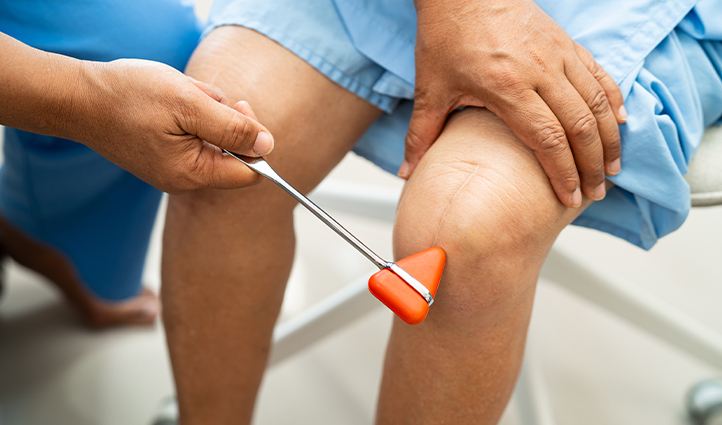
Our knees support the full weight of the body whenever we stand, bend, walk, or run. Over time, daily wear, injury, or illness can slowly damage the cartilage (the soft tissue that cushions the bones). As this cushioning wears down, stiffness and discomfort develop and movement may become more difficult. Moreover, activities such as walking, bending, or getting up from a chair may require extra effort.
For those experiencing this kind of discomfort, total knee replacement can be an effective option. This surgery replaces the damaged surfaces of the knee with artificial components. These parts work together to reduce pain, restore mobility, and help people return to their everyday activities. When other treatments no longer provide relief, total knee replacement surgery can offer a long-term solution for improved knee function.
When Do Doctors Recommend Total Knee Replacement?
Doctors consider effective non-surgical treatments before surgery. However, when the knee joint is significantly damaged, doctors may recommend a total knee replacement. Common conditions that may lead to surgery include:
1. Osteoarthritis
Osteoarthritis occurs when the protective cartilage in the knee gradually wears away. As bones rub against each other, the joint becomes stiff, causing long-term pain. Individuals suffering from this degenerative joint disease often require total knee replacement to restore movement and reduce discomfort in severe cases.
2. Rheumatoid Arthritis
This autoimmune condition makes the body attack its own joints. In the knee, severe inflammation can damage the lining and erode cartilage over time. Surgery may be considered when other treatments no longer relieve pain.
3. Post-Traumatic Arthritis
An old injury, such as a fracture or ligament tear, can cause uneven wear inside the joint. Over time, this may lead to stiffness, swelling, and discomfort. Total knee replacement helps restore function in affected knees.
Furthermore, some people develop knee deformities or chronic inflammation from less common conditions. When basic movement becomes limited and daily activities are affected, total knee replacement may improve mobility and quality of life.
Pre-Surgical Considerations
Before surgery, an orthopaedic doctor in Dubai carefully assesses your overall health to plan a safe total knee replacement procedure. Proper preparation helps reduce risks and supports a smoother recovery.
1. Medical Evaluation
A full check-up is highly recommended before surgery. This helps doctors identify any health issues and plan the safest approach. At the best orthopaedic hospital in Dubai, evaluations typically include blood tests, heart assessments, and other routine checks. Any chronic conditions should be well-managed before surgery to reduce complications.
2. Imaging Studies
X-rays or MRI scans allow surgeons to see the extent of knee damage. These images help guide decisions about the surgery and implant placement.
3. Medication Management
Surgeons suggest whether to stop or adjust your medication before surgery. This reduces the risk of bleeding and ensures anaesthesia works safely.
4. Lifestyle Modifications
Patients who smoke are encouraged to quit, and those with excess body weight may be advised to lose some weight. These steps lower the risk of complications and support faster healing after total knee replacement surgery.
The Surgical Procedure
Surgeons carefully plan each step of total knee replacement surgery to make the procedure safe and precise. The surgical steps usually include the following:
1. Anaesthesia
Before the procedure, you may receive either general anaesthesia, which puts you fully asleep, or spinal anaesthesia, which numbs your lower body. The choice depends on your overall health and the medical team’s recommendation.
2. Incision and Implantation
The surgeon makes a small cut along the front of the knee. Damaged bone and cartilage are removed, and specially designed metal and plastic components are placed to replace the worn surfaces. If needed, the kneecap may also be resurfaced. These components work together to restore movement and reduce pain.
3. Duration of Surgery
The operation usually takes one to two hours. After surgery, patients are moved to a recovery area for initial clinical surveillance before starting post-surgical care.
Post-Surgical Care
The first few days after total knee replacement surgery are crucial for recovery. During this time, careful monitoring helps prevent complications and supports healing.
Patients are encouraged to begin moving early. Often, standing or walking with assistance is possible within a day. The medical team closely observes heart rate, blood pressure, and overall joint function to ensure safety.
Pain is common after surgery, but it can be effectively managed with medications and other techniques. Early movement helps improve circulation, reduce stiffness, and promote faster recovery.
Doctors and nurses keep the surgical site clean and dry to prevent infection. Antibiotics may be prescribed if needed, and the team checks regularly for redness, swelling, or other early signs of infection.
Rehabilitation and Physical Therapy
Movement plays a key role in total knee replacement recovery. Without regular activity, the knee joint can become stiff, which may slow progress.
1. Importance of Early Mobilisation
Getting out of bed and gently moving your leg soon after surgery improves blood flow and joint function. Therapists guide this process to ensure movements are safe and effective. Early activity also helps reduce swelling and prevent stiffness.
2. Strengthening Exercises
These exercises focus on building thigh and calf muscles. Stronger muscles reduce pressure on the new joint and improve balance. In addition, they help you regain confidence in daily activities like walking or climbing stairs.
3. Range of Motion Activities
Range of motion exercises involve gently bending and straightening the knee. These movements restore flexibility and help you move comfortably. A full range of motion supports walking, climbing, and sitting without discomfort.
Risks and Complications
Every surgery involves careful considerations, but with proper planning and expert medical supervision, most people recover smoothly after total knee replacement. Understanding potential issues helps patients stay prepared and informed.
1. Blood Clots
After surgery, some people may develop blood clots in their leg veins, but this is rare. Doctors help prevent this by encouraging you to move early and by using compression stockings or devices that improve blood flow. In addition, doctors monitor patients closely to keep risks low.
2. Infection
Infection at the surgical site or implant is uncommon. If it occurs, antibiotics or further procedures may be needed. Keeping the wound clean and following medical advice helps prevent this complication.
3. Implant Failure
Most knee implants last many years. Rarely, parts may loosen or wear out, requiring a follow-up procedure known as revision surgery. Regular check-ups can help detect any issues early.
4. Nerve or Blood Vessel Damage
A small risk exists that nerves or blood vessels near the knee may be affected. This can cause temporary numbness or reduced strength. Early therapy and careful monitoring usually prevent long-term problems.
5. Stiffness or Limited Mobility
Scar tissue can sometimes limit knee movement. Engaging in early rehabilitation exercises reduces this risk and helps restore joint function seamlessly.
Recovery Timeline: Total Knee Replacement Surgery Recovery Time
Recovery after total knee replacement surgery varies for each person. The total knee replacement surgery recovery time depends on age, overall health, and pre-surgery activity levels. Understanding typical milestones can help you plan your return to normal life.
• Hospital Stay Duration
Many patients are discharged within two or three days. Some may even go home on the same day, depending on how they respond to early recovery care. Doctors review progress carefully and may recommend home support or physiotherapy to continue safe recovery.
• Return to Daily Activities
You can often start walking with support within a few days. Simple tasks, such as bathing or preparing meals, may resume within two weeks. Most patients return to driving between the fourth and sixth week. Some activities may take longer, depending on strength, balance, and healing.
• Long-Term Outcomes
Pain relief and improved movement are common results of successful total knee replacement. Many patients regain confidence and independence in daily life. Artificial joints typically last 15 to 20 years. With modern materials and careful post-surgery care, this lifespan may extend even further.
Lifestyle and Activity Recommendations
After surgery, your journey continues at home. You need to follow a supportive routine that helps you protect your new joint and improve long-term outcomes to make the most of your recovery. Regular check-ups are also important to monitor joint function and detect any early signs of problems.
• Weight Management
It is common to gain some weight after surgery because movement is limited for a few weeks. Even a small increase in weight can put extra stress on the new joint. In addition, combining gentle mobility exercises with a healthy diet helps prevent complications and supports long-term recovery.
• Exercise Guidelines
Low-impact exercises are the safest way to stay active. Walking, swimming, or cycling helps maintain joint strength without overloading the knee. Activities involving jumping or sudden twisting should be avoided unless your doctor gives clearance.
• Activity Restrictions
High-impact movements such as jumping, running, sudden twisting, or kneeling on hard surfaces place excessive stress on the artificial knee joint. Therefore, you should avoid jumping, twisting, or kneeling on hard surfaces. Following clear limits helps prevent premature wear and protect the implant, preserve joint stability, and support durable, long-term outcomes.
Conclusion
Total knee replacement is a well-structured surgical approach that helps restore comfort, strength, and mobility. With careful preparation, consistent post-surgery care, and regular follow-ups, most people return to daily activities without discomfort. Long-term success depends on following medical guidance and maintaining a healthy, active lifestyle.
If knee pain continues to limit your movement or quality of life, consult an experienced orthopaedic specialist at Aster Hospitals and our specialist will diagnose and suggest whether total knee replacement is the right option for you. Early evaluation and expert care can make a significant difference in your recovery and long-term joint health.
FAQs
What is total knee replacement surgery?
It is a procedure where worn or damaged knee surfaces are replaced with artificial parts. This helps reduce pain and improve movement. It is performed by specialised orthopaedic surgeons using precision techniques to restore joint alignment and function.
Who is a suitable candidate for this procedure?
People with severe arthritis or knee injuries who no longer benefit from non-surgical treatments may be considered. A detailed clinical evaluation, including imaging and functional assessment, determines eligibility.
How long does the surgery take?
Most surgeries take between 1 and 2 hours. The exact time depends on the knee damage and implant type. Advanced surgical planning and experienced teams help ensure efficiency and safety.
When can I resume normal activities?
Light activities like walking or simple chores may begin in a few weeks. Strenuous tasks or sports need a doctor's approval. Recovery timelines vary based on individual healing and rehabilitation progress.
Are there any long-term restrictions post-surgery?
Yes. High-impact sports or twisting movements may need to be avoided to protect the new joint. Following professional guidance significantly improves implant longevity.
How long does the knee implant last?
Most implants last 15 to 20 years. With proper care and modern materials, they may last even longer. Regular follow-up visits help monitor implant performance over time.
What are the signs of complications to watch for?
Look for unusual swelling, redness, fever, sharp pain, or sudden loss of movement. Report these symptoms immediately. Early medical intervention reduces the risk of serious complications.
Is physical therapy necessary after surgery?
Yes. Therapy is important to strengthen muscles, restore movement, and prevent stiffness after total knee replacement. Structured rehabilitation programs are essential for optimal long-term results.
How can I prepare for the surgery?
Stay active, maintain a healthy weight, quit smoking, and understand the steps involved in total knee replacement surgery. Pre-surgical conditioning and medical optimisation reduce perioperative risks.
What is the recovery time of a total knee replacement?
Most people regain independence within six weeks. Full recovery usually takes three to six months, sometimes longer. Consistent physiotherapy and adherence to medical advice directly influence outcomes.
Is total knee replacement a big operation?
Yes. It is a major procedure involving bone reshaping and implant placement. However, modern surgical protocols and anaesthesia techniques have significantly improved safety and recovery rates.