

Early signs of pregnancy can be easy to miss, as they often feel similar to a regular menstrual cycle. You may feel more tired than usual or notice changes in your mood. In a busy place like Dubai, these changes can be overlooked, even though the body starts adjusting soon after conception.
Some women also notice changes like a stronger sense of smell or an unusual taste in the mouth before confirming pregnancy. These signs of pregnancy are linked to hormonal changes, including progesterone and hCG, which support early development. Changes in appetite, dislike for certain foods or drinks, and more frequent urination are also commonly reported.
Consulting the best gynaecologist in Dubai at an early stage can help clarify these symptoms. Basic tests and early scans at a reliable centre help confirm pregnancy and guide the next steps in prenatal care. Recognising these signs and seeking timely advice can help ensure proper care from the beginning.
Spotting the First Signs of Pregnancy
You might notice your body acting differently, well before you even realise your period is late. These first signs of pregnancy are tricky because they feel so much like your usual monthly cycle or just the exhaustion of a hectic week in Dubai. You might hit a wall of tiredness that no amount of coffee can touch, or suddenly find that the smell of your fried eggs or morning toast makes you want to run from the room.
A very common early indicator involves physical changes in the breasts. Because progesterone and oestrogen levels are spiking so quickly, your chest might feel heavy, achy, or so tender that even your clothing feels uncomfortable. It is just a signal that your system is shifting into a different gear. Other women mention a weird, metallic taste that won't go away or find they are making trips to the washroom every hour, even in these very early weeks. These small, strange signs of pregnancy are often the first clues that something big is happening.
Understanding Early Pregnancy Cramps
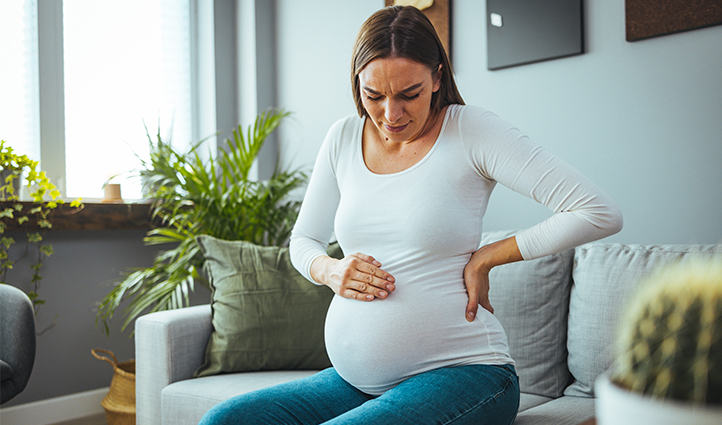
It is perfectly normal to feel a bit of apprehension when you notice a "tugging" or "pulling" sensation in your lower abdomen. These early pregnancy cramps are typically quite mild—similar to light menstrual twinges. They often occur as the embryo implants into the uterine wall or as the uterus begins its first phase of stretching. While these sensations can be startling, they are usually just a sign that your body is making room for new life.
However, we must differentiate these natural growing pains from more concerning abdominal pain in pregnancy. If you experience sharp, persistent pain—especially if it is concentrated on one side—it is important to seek a medical opinion. While most cramping is benign, a professional check-up ensures the pregnancy is progressing safely and provides the peace of mind every mother-to-be deserves.
Navigating the Common Symptoms
As the first trimester goes on, rising levels of human chorionic gonadotropin (hCG) can lead to common early pregnancy symptoms. Nausea, often called morning sickness, does not always occur in the morning and can happen at any time of the day. Some people feel mild discomfort now and then, while others may have more regular or bothersome symptoms.
- Heightened Fatigue: Your body is essentially building a life-support system (the placenta) from scratch, which requires an immense amount of energy.
- Mood Fluctuations: The chemical shifts can make you feel more emotional or irritable than usual. It is a completely natural reaction to the massive hormonal changes happening inside.
- Aversions and Cravings: Your sense of taste and smell may sharpen significantly. You might suddenly find your favourite meal unappetising or develop a sudden, specific craving for something you rarely eat.
When you are looking for the best gynaecology hospital in Dubai, choose a facility that offers comprehensive early-term support. Having access to quick blood tests and viability scans helps turn these symptoms from a source of worry into a managed part of your clinical journey.
When to Contact Your Doctor
While most symptoms are just a sign of a progressing pregnancy, there are "red flags" that require an immediate call to your specialist. If you experience heavy bleeding, severe dizziness, or a fever, do not wait for your next scheduled appointment. Furthermore, if nausea becomes so severe that you cannot keep down fluids—a condition known as hyperemesis gravidarum—you must seek help to prevent dehydration.
Consulting the best gynaecologist in Dubai ensures you have a dedicated expert to guide you through these highs and lows. In the UAE's high-standard medical environment, you should never feel like your questions are too small. Whether it is a quick query about a new ache or a formal diagnostic scan, your doctor is your partner in ensuring both your health and the healthy development of your baby.
Conclusion
Embracing the physical changes of pregnancy with the right medical support ensures a healthy start for you and your baby. However, with an early consultation with Dubai’s leading specialists, you can lead yourself and your loved one into a well-managed journey, prioritising safety and peace of mind throughout the pregnancy.
Frequently Asked Questions
1. What are the signs of pregnancy I should notice before a missed period?
Common signs of early pregnancy include breast tenderness, feeling unusually tired, and needing to urinate more often. Some women may also notice light implantation spotting, which is usually much lighter than a regular period. If you think you might be pregnant, a blood test at a trusted Dubai clinic can help confirm it at an early stage.
2. Is it normal to have abdominal pain in pregnancy during the first few weeks?
Yes, mild, period-like cramping is very common as the uterus expands. However, if the pain is sharp, intense, or accompanied by bleeding, you should see a doctor immediately to ensure everything is situated correctly.
3. Why do my pregnancy symptoms seem to disappear and then come back?
Hormones do not rise in a perfectly straight line, so it is normal for symptoms to wax and wane. If your symptoms vanish entirely and suddenly, it is always worth booking a quick scan with your obstetrician for reassurance.
4. How do I choose the best gynaecologist in Dubai for my journey?
Look for a consultant who has extensive experience and practices at a hospital with advanced neonatal facilities (NICU). Personal rapport and clear, direct communication are also essential for a positive birthing experience.
5. What is the best way to manage morning nausea?
Try eating small, frequent snacks like crackers or dry toast before getting out of bed. Staying hydrated with small sips of water or ginger tea can also help. If you find you cannot eat at all, your doctor can suggest safe treatments to help you stay nourished.