


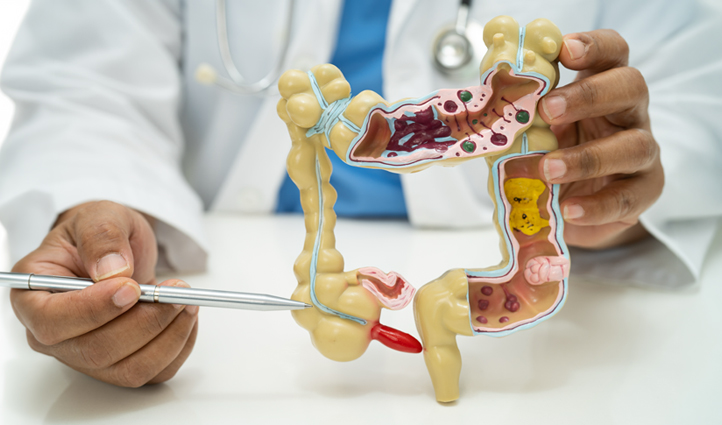
Anal fissures pose a unique type of health conundrum. You notice a streak of bright red blood on the tissue when using the washroom, followed immediately by a burning, razor-like sting that refuses to fade. Addressing anal fissures effectively can prove challenging to people unfamiliar with the condition’s symptoms and progression.
If you are experiencing this health issue, your first instinct might be to let it resolve on its own. Once you understand the nuances of the condition, however, you can take the right steps to fix it and stop the pain for good.
What is an Anal Fissure?
In the simplest terms, anal fissures are ruptures in the tissue of your anus. Think of it like a cracked lip, but in a much more sensitive area.
Your anal canal is lined with a thin, delicate tissue that stretches to allow stool to pass. If something forces it to stretch too far or too fast, that skin splits and tears. This development can create an open wound that gets exposed to bacteria in the lower digestive tract every time you visit the washroom. Since the area is packed with highly sensitive nerve endings, even a tiny tear can cause significant pain.
Are Anal Fissures Common?
People often feel like they are the only ones dealing with this, which stops them from seeking help. But is an anal fissure common? Absolutely. It affects people of all ages, from young babies to older adults. In fact, it is one of the most frequent reasons people visit a specialist for rectal pain. Doctors see it every single day. There is zero need to feel embarrassed about it.
Anal fissure causes
To understand how to fix it, you need to know what triggered it in the first place. Anal fissure causes usually stem from trauma to the area, but the root of that trauma can vary.
- • Constipation and Hard Stools
- • Chronic Diarrhoea
- • Straining on the Toilet
- • Childbirth
Underlying Conditions
In rarer cases, conditions like Crohn's disease, ulcerative colitis, or sexually transmitted infections can cause inflammation that leads to fissures.
Anal fissure symptoms
The signs are fairly prominent, but can easily be mistaken for haemorrhoids. Here is what to look out for when it comes to anal fissure symptoms:
Sharp, cutting pain: The pain during a bowel movement with anal fissures is often described as passing broken glass or razor blades. It can be debilitating in some cases.
Bright red bleeding: You will likely notice a few drops of bright red blood on the toilet paper or on the surface of the stool. Dark or black blood is a different story and needs immediate medical attention.
A visible crack: Sometimes you can feel a small lump or see a tiny tear if you look closely.
Spasms: After you go to the toilet, you might feel a tight, throbbing ache caused by the anal sphincter muscle going into spasm as it tries to protect the injured area.
Anal Fissure Management: How to Heal Anal Fissures
An acute fissure (one that has been around for less than six weeks) can usually be treated at home. The goal of anal fissure management is to break the cycle of pain, constipation, and spasms. Here is how to heal anal fissures using simple methods:
Sort out your stool: Drink plenty of water and load up on fibre. Think fruits, vegetables, beans, and whole grains. If you cannot get enough from food, a gentle fibre supplement like psyllium husk works wonders.
Take warm baths: Soaking in a shallow bath of warm water (a Sitz Bath) for 15 to 20 minutes a couple of times a day relaxes the sphincter muscle and dramatically soothes the pain.
Stop straining: Do not force bowel movements. If it does not happen naturally, get up and move around. Try to spend no more than five minutes on the toilet at a time.
Use ointments: Over-the-counter creams containing hydrocortisone or numbing agents can relieve pain. Your doctor might also prescribe a special ointment that relaxes the sphincter muscle, allowing more blood to flow to the area to expedite healing.
How to cure a fissure permanently
If the tear is deep or if you have been suffering for months, it is considered a chronic fissure. Home remedies might not prove effective. So, how does one cure a fissure permanently when it refuses to heal on its own? That’s where medical intervention steps in.
Botox injections: Injecting a tiny amount of Botox into the sphincter muscle temporarily paralyses it. This injection stops the spasms, dilates the blood vessels, and finally gives the tissue a chance to heal.
Surgery: If other methods prove ineffective, a minor procedure called a lateral internal sphincterotomy is the gold standard. A surgeon makes a tiny cut in the sphincter muscle to permanently reduce tension. It is a quick, routine operation with an incredibly high success rate for curing chronic fissures for good.
The Bottom Line
Coping with an anal fissure can pose significant challenges. If you have been struggling with rectal pain or bleeding due to anal fissures, it is time to seek expert help. Seeking out the best general surgeon in Dubai ensures you get a proper diagnosis and a treatment plan that actually works.
At Aster Hospital, we understand how daunting it is to talk about these problems. Our specialists handle these cases with the utmost discretion and empathy. As a leading general surgery hospital in Dubai, we offer everything from dietary advice and medical management to advanced minimally invasive surgeries.
FAQs
Can an anal fissure heal on its own?
Acute fissures often heal on their own within a few weeks, provided you keep your stools soft and avoid straining. Soaking in warm baths also speeds up the healing process.
What happens if a fissure goes untreated?
If left alone, a fissure can become chronic. The persistent spasms reduce blood flow, stopping the wound from healing. Over time, scar tissue can form, and you may develop a skin tag at the site of the tear.
Is fissure surgery painful?
The surgery itself is done under anaesthesia, so you will not feel pain. You may feel mild to moderate post-operative pain, which is far more manageable than the agonising pain of the chronic fissure itself.
How can I prevent an anal fissure from coming back?
Keep your digestive system moving smoothly. Stay well hydrated, eat a high-fibre diet, exercise regularly, and never ignore the urge to use the toilet.