


A dull ache around your belly button that suddenly shifts to a sharp, constant pain in your lower right side can pose a significant cause for concern. On top of that, a bout of nausea and a sudden fever, and you have the telltale signs of a medical emergency. When these symptoms show up, appendicitis is usually the diagnosis, and surgery is usually the viable solution.
The appendix is a small, finger-shaped pouch that hangs off the large intestine on the lower right side of your abdomen. When this vestigial pouch becomes blocked (often by a small piece of hardened stool, a foreign body, or swollen lymph nodes), bacteria multiply rapidly inside it. The organ swells, fills with pus, and becomes inflamed. Leaving it untreated at this stage leads to severe infection, which is why surgical extraction is the recommended safe route.
Recognising the Emergency
When is an appendectomy needed? The overwhelming majority of these surgeries are performed as an urgent treatment for acute appendicitis.
An untreated inflamed appendix keeps building internal pressure until it ruptures. When it does, infectious pus and digestive waste spill directly into the abdominal cavity. That causes peritonitis, which spreads the infection elsewhere in the body, posing significant health risks. At that point, the extraction surgery becomes a longer, more complex procedure to curb the infection.
In much rarer cases, a surgeon might remove a healthy appendix if a patient is already undergoing abdominal surgery for another issue, like a bowel resection or a gynaecological procedure. A surgeon might take the appendix out to eliminate the risk of the patient developing appendicitis in the future. However, emergency appendicitis is the primary cause for this operation being performed.
Assessing the Severity
Many patients ask if an appendectomy is a major or minor surgery. The genuine answer is that it sits right on the boundary between the two, depending heavily on the appendix's condition at the time of the operation.
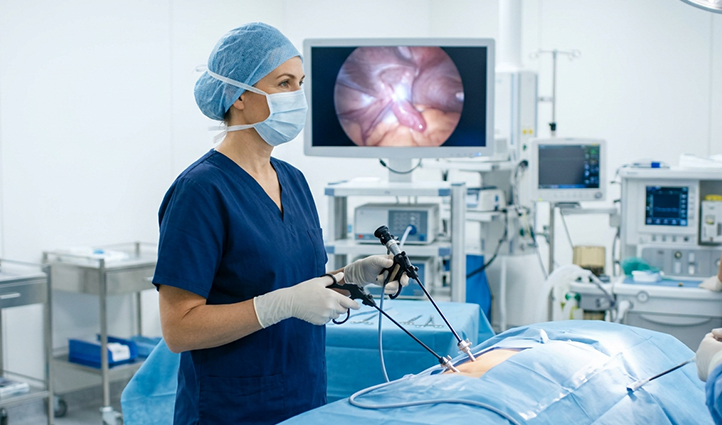
If diagnosed early, before the appendix has burst, the procedure is largely considered a minor, routine surgery. It is typically carried out using a laparoscopic (keyhole) approach. However, if the appendix has already ruptured, the subsequent operation becomes more complex, with additional steps required, such as:
- • Carefully suctioning out the infected fluid from the abdominal cavity
- • Washing out the area thoroughly to prevent abscesses
- • Potentially leaving a temporary drainage tube in the abdomen
This is classified as a major surgical intervention requiring a longer hospital stay and a more intensive recovery period. Sometimes, a larger open incision is required instead of keyhole surgery to ensure the entire area is thoroughly cleaned.
The Road to Recovery
Understanding what to expect after an appendectomy helps remove a lot of the anxiety surrounding those first few days after the procedure.
If you had a straightforward, uncomplicated keyhole surgery, you would likely be encouraged to get out of bed and try walking around the very same evening. Walking is crucial because it helps keep your bowels active and prevents blood clots from forming in your legs. You will probably spend one night in the hospital and return to daily activities at home the following morning.
One slightly peculiar but entirely normal side effect you might notice is a sharp pain in your shoulder. During laparoscopic surgery, gas is pumped into your abdomen to create space for the surgeon to work. Even after the gas is released, some of it lingers and irritates the nerves that run up to your shoulder. This harmless ache usually fades within 48 hours.
Pain at the incision sites is managed with oral painkillers. You should consume a very light diet (clear fluids at first, then progressing to soft foods) to ensure your digestive system adjusts properly. The biggest hurdle in the first two weeks is avoiding heavy lifting. The internal stitches need time to heal, and straining your core muscles can cause a hernia at the surgical site. Most people can return to desk jobs within a week or two, but physical labour or intense exercise is usually off the table for four to six weeks.
The Importance of Expert Surgical Care
When you are dealing with a sudden abdominal emergency, you are often placed in the hands of whatever surgical team is on call at the nearest hospital. However, if you suspect you are developing appendicitis, seeking treatment at a facility equipped to handle emergencies swiftly is vital.
The Bottom Line
Many people in the UAE actively choose to register with a leading general surgery hospital in Dubai before an emergency strikes. Healthcare facilities like Aster Hospitals offer round-the-clock diagnostic imaging services, such as ultrasound and CT scans, ensuring rapid diagnosis. More importantly, having a team of the best general surgeons in Dubai perform the procedure reduces the risk of surgical complications. A highly skilled specialist can execute a laparoscopic appendectomy with absolute precision, minimising scarring, reducing post-operative pain, and getting you back on your feet.
No one wants to wake up facing emergency surgery. But understanding that an appendectomy is an incredibly common procedure, an expert-led approach can take the edge off the fear. Recognising the symptoms early and getting to a well-equipped medical facility quickly is the best way to ensure a smooth, uncomplicated recovery.
Frequently Asked Questions
Can you live a completely normal life without an appendix?
The appendix has no essential function in the human body, and its removal does not affect your digestion or long-term health.
How long does the actual surgery usually take?
An uncomplicated laparoscopic appendectomy typically takes between 30 and 60 minutes to complete. In comparison, ruptured cases requiring open surgery may take significantly longer.
Will I have a large, visible scar after the operation?
Not usually, as laparoscopic surgery involves three small incisions, often less than a centimetre each, which fade into barely noticeable marks over several months.
What happens if I delay seeking treatment for appendicitis?
Delaying treatment drastically increases the risk of the appendix rupturing, which leads to a major infection in your abdominal cavity and requires much more complex surgery.