


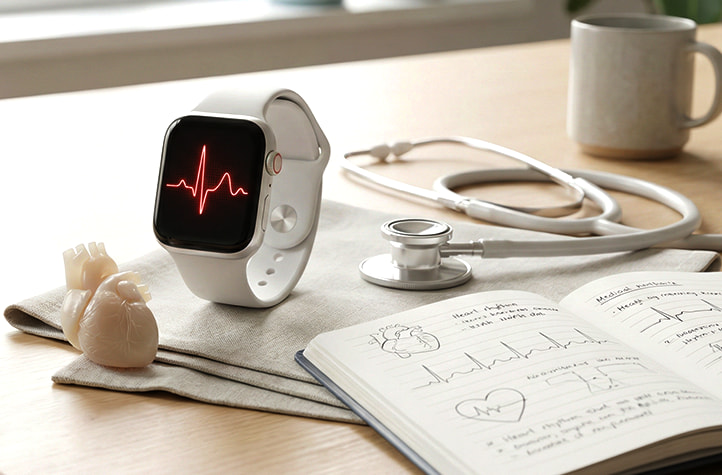
An arrhythmia is an abnormal heart rhythm and is one of the most common reasons patients are referred to a cardiac hospital for abnormal heartbeat evaluation.
Aster Hospitals is a leading arrhythmia hospital in Dubai offering full diagnostic and treatment pathways for fast, slow and irregular heart rhythms, delivered by board-certified cardiologists and an electrophysiology-equipped cardiac team.
Overview of Cardiac Arrhythmia
Disrupted electrical signals within the heart's tissue can cause an arrhythmia, i.e., an abnormal heart rhythm. Under normal conditions, the heart's natural pacemaker, the sinoatrial node, sets a steady rhythm. When arrhythmia occurs, the beat becomes too fast, too slow, or irregular.
Some arrhythmias are brief and harmless. In contrast, others raise the risk of fainting, stroke or, in severe cases, cardiac arrest. A cardiologist conducts a thorough diagnosis to confirm the specific type present and plan effective treatment.
Types of Arrhythmia
Heart rhythms run too fast, too slow, or irregularly, and each pattern carries its own triggers, symptoms and risk profile. An ECG captures rhythms at the moment symptoms occur, while a Holter or ambulatory monitor records over a longer period to catch episodes that come and go.
Tachycardia (Fast Heartbeat, Usually Above 100 BPM at Rest)
Tachycardia is a persistently fast heartbeat originating in the atria or ventricles, triggered by stress, fever, high caffeine intake, thyroid disease or underlying heart disease. Typical symptoms include a pounding pulse, breathlessness, chest tightness and light-headedness.
Supraventricular Tachycardia (SVT): It refers to sudden episodes of a rapid rhythm starting in the upper heart chambers. It often stops on its own after some time without any treatment or medication.
Atrial fibrillation (AF): An irregular, often fast rhythm from the upper heart chambers. It raises stroke risk if left untreated.
Atrial flutter: A fast but more organised upper-chamber rhythm, with symptoms that can mirror atrial fibrillation.
Ventricular Tachycardia (VT): A fast rhythm from the lower chambers, which can be serious, particularly with a prior history of heart disease.
Ventricular Fibrillation (VF): An irregular lower-chamber rhythm, which is a medical emergency requiring immediate treatment.
Bradycardia (Slow Heartbeat, Usually Below 60 BPM with Symptoms)
Bradycardia is a persistently slow heart rate, typically under 60 beats per minute, that can interfere with the heart's ability to deliver enough oxygen-rich blood to the body. It can develop with age, certain medicines, sleep apnoea, or thyroid issues.
Diagnosis typically involves an ECG, Holter monitoring and blood tests to rule out reversible causes. Moreover, early evaluation can prevent complications before heart function is affected.
Common bradycardia symptoms include fatigue, dizziness, breathlessness and fainting. Sudden collapse or confusion are more serious signs that require an immediate cardiac assessment.
Sinus Bradycardia: The heart's natural pacemaker beats at a slower rate. It can occur in healthy people and is usually not a concern when it happens occasionally.
Sick Sinus Syndrome: The heart's natural pacemaker may cause slow heart rates, pauses, or episodes of a fast heartbeat.
Atrioventricular (AV) block: The heart's electrical signals are delayed or blocked between the upper and lower chambers, ranging from mild to complete blocks.
Irregular Heart Rhythms (Ectopic Beats and Other Patterns)
Irregular heart rhythms feel skipped or erratic, not steadily fast or slow. Common causes include stimulants, stress, sleep, or heart disease. If you experience persistent or worsening episodes, especially with chest pain or dizziness, consult an experienced cardiologist as soon as possible.
Premature Atrial Contractions (PACs): Early beats from the atria, usually benign and often felt as a "skipped" beat.
Premature Ventricular Contractions (PVCs): Early beats from the ventricles, generally harmless as one-off occurrences, though frequent instances can point to underlying heart disease.
"Irregularly Irregular" Pulse in AF: An uneven rhythm with no repeating pattern, typical of atrial fibrillation.
What Causes Heart Arrhythmia?
Arrhythmia occurs when the heart's electrical signals are disrupted, though in some cases no clear cause is found. When no cause can be identified, treatment focuses on symptom control, risk reduction, and ongoing monitoring rather than a single fix.
Heart Disease: Coronary disease, heart failure, heart valve problems or cardiomyopathy can all alter the heart's electrical pathways.
High Blood Pressure: Long-term strain on blood vessels can enlarge or stiffen the heart's chambers, increasing arrhythmia risk.
Thyroid Problems or Electrolyte Imbalance: Fluctuating thyroid hormone or abnormal potassium and magnesium levels can trigger rhythm changes.
Anaemia and Infections: Reduced oxygen delivery or systemic illness can trigger palpitations or sustained arrhythmias.
Sleep Apnoea: Repeated night-time drops in blood oxygen place strain on the heart and raise atrial fibrillation risk.
Medicines and Stimulants: Certain decongestants, energy drinks and excess caffeine can trigger episodes.
Stress, Dehydration or Fever: Common short-term triggers that make the heart beat faster or irregularly.
Common Symptoms of Arrhythmia
Arrhythmia symptoms vary by type and severity, lasting anywhere from seconds to hours, and often relate to triggers such as stress, poor sleep, dehydration, alcohol or stimulants. New, persistent or worrying symptoms warrant medical advice, since recognising the pattern helps a clinician choose the right tests and prioritise safety.
Palpitations: You may feel fluttering, pounding, or skipped beats. They can last briefly or occur often enough to affect daily activities.
Fast or Slow Heartbeat: Your heart rate may feel unusually fast or slow, sometimes without other symptoms.
Dizziness or Light-headedness: An irregular heartbeat can reduce blood flow to the brain. You may feel dizzy, especially when you stand up quickly or exercise.
Breathlessness: You may feel short of breath during routine activities or exercise. Some people need to stop or slow down more often than usual.
Chest Discomfort: A feeling of pressure, tightness, or a vague discomfort in the chest. Severe or persistent chest discomfort, especially with breathlessness, needs urgent medical attention.
Fatigue: Frequent palpitations or an irregular heartbeat can leave you feeling tired or low on energy. This may affect concentration, mood, and everyday stamina.
Fainting or Near-fainting: A sudden drop in blood pressure during an arrhythmia can cause fainting or a feeling that you may pass out. This symptom needs immediate medical assessment.
Some arrhythmias produce no symptoms and are only found during routine testing, which is why a periodic ECG or wearable rhythm review at a cardiac hospital is worth considering, even without significant complaints.
How Is Arrhythmia Diagnosed at Aster Hospitals?
Diagnosis begins with a review of your symptoms and medical history. After that, our cardiologists run tests to assess your heart rhythm and identify possible causes. The tests also help determine the type of arrhythmia and the most suitable treatment.
- ECG (Electrocardiogram): Records the heart's electrical activity and helps identify abnormal rhythms.
- Holter Monitor: A wearable device that records heart rhythms for 24 hours or longer. It can detect irregular rhythms that may not appear during a routine ECG test.
- Echocardiogram: Uses ultrasound to examine the heart's chambers, valves and pumping function to identify structural problems linked to an arrhythmia.
- Stress Test: Monitors heart rhythm and blood flow during exercise or medication-induced stress. It shows how the heart responds under strain.
- Electrophysiology Study: Uses a catheter to map the heart's electrical activity and locate abnormal electrical pathways to help guide treatments such as catheter ablation.
Treatment of Arrhythmia in Dubai at Aster Hospitals
Treatment is matched to the specific type of arrhythmia and the risk it carries, ranging from lifestyle adjustment through to device implantation.
Lifestyle and risk-factor Management: Managing blood pressure, diabetes, weight, and sleep apnoea reduces arrhythmia burden and lowers the risk of future complications. Moreover, limiting alcohol and stimulants where they trigger episodes, alongside prioritising sleep and hydration, supports this further.
Medicines: Beta-blockers, calcium channel blockers and anti-arrhythmic drugs control rate or rhythm, while anticoagulants reduce stroke risk in atrial fibrillation. However, these medications require a prescription and cardiologist monitoring.
Catheter Ablation: Targets the specific electrical circuit causing the arrhythmia and can be curative for several arrhythmia types.
Pacemaker: Treats persistently slow rhythms by taking over the heart's pacing function.
Implantable Cardioverter-Defibrillator (ICD): Reduces the risk of sudden cardiac events in high-risk patients, following specialist assessment.
Most arrhythmia patients return to their usual activities once an appropriate treatment plan is finalised. However, you should call cardiac emergency services for collapse, severe chest pain, breathlessness, stroke signs, or sustained palpitations.
Prevention and Living With Arrhythmia
Living with arrhythmia depends on consistent habits. Regular monitoring, heart-healthy routines, and trigger avoidance reduce episode frequency and protect long-term heart function.
Attend Regular Check-ups: ECGs and follow-up visits help monitor heart rhythm and treatment.
Eat A Balanced Diet and Stay Hydrated: A balanced diet and enough fluids support healthy heart function.
Limit Alcohol and Caffeine: These can trigger palpitations and affect sleep in some people.
Take Medicines as Prescribed: Do not stop or change heart medicines without medical advice.
Manage Health Conditions: Control high blood pressure, diabetes, thyroid problems and sleep apnoea.
Stay Physically Active: Regular walking and other suitable exercise can support heart health.
Increase Activity Gradually: After diagnosis or treatment, build up exercise slowly and stop if you feel dizzy or breathless.
Know Your Triggers: Track symptoms and note possible links to stress, dehydration, alcohol or stimulants.
Keep follow-up appointments: Attend cardiology visits and device checks, and don't miss scheduled reviews.
When Should You See a Doctor for an Irregular Heartbeat?
Many arrhythmias are intermittent. Not catching one on the first test is common. You should consult a cardiologist if you or your family member experience collapse, severe chest pain, breathlessness, stroke signs, or sustained palpitations.
Your cardiology specialists will plan for an ideal treatment timeline and follow‑up. They will discuss the benefits, risks, and alternatives for each option and plan regular follow‑up to monitor symptoms, medicines, and device settings where relevant.
Why Choose Aster Hospitals for Arrhythmia Treatment in Dubai?
Aster Hospitals is regarded as one of the best cardiology hospitals in Dubai for the wide range of its diagnostic and treatment pathways. We offer comprehensive arrhythmia management from ECG tests to catheter ablation and device implantation under one cardiac programme.
- Electrophysiology and structural heart intervention are delivered from the same catheterisation lab infrastructure used for coronary procedures. It keeps diagnosis, ablation and device follow-up within a single, coordinated team rather than split across separate providers.
- Experienced and board-certified cardiologists and electrophysiologists review each case individually, since two patients with the same arrhythmia type often need different treatment based on risk factors and lifestyle.
- Cardiac rehabilitation, dietetics, and rehabilitation therapists work alongside the cardiology team, with lifestyle management as part of the treatment plan.
As a leading destination for irregular heartbeat treatment, Aster Hospitals offers patients four locations across the city, including Mankhool, Al Qusais, Jebel Ali, and Muhaisnah. This ensures follow-up and device checks remain convenient.
Meet Our Cardiologists
Our skilled, highly qualified team of cardiologists efficiently recognises symptoms, arranges timely tests, and helps prevent more severe outcomes. Moreover, with modern diagnostic and treatment pathways, most patients continue to live full, active lives. A consultation with a cardiologist in Dubai at Aster Hospitals can pave the way for personalised treatment, optimise therapy, and track rhythm and stroke risk over time.
FAQs
What is the difference between cardiac arrhythmia, a heart attack, and angina?
Arrhythmia is an abnormal heartbeat that is too fast, too slow, or irregular. A heart attack is heart muscle damage caused by a blocked artery. Angina is chest pain from temporarily reduced blood flow, not necessarily permanent damage.
How can I improve my quality of life when living with arrhythmia?
Identifying personal triggers, prioritising sleep, staying active with guided exercise, limiting stimulants, taking medicines as prescribed, and attending follow-ups all help. Cardiac rehabilitation, stress management, and wearable monitors can further support these goals.
How is arrhythmia treated?
Treatment depends on the type and risk involved: lifestyle changes, medicines for rate or rhythm control and anticoagulation, catheter ablation for curative intent, a pacemaker for slow rhythms, and an implantable defibrillator for dangerous ventricular rhythms.
Which deficiency causes arrhythmia?
Low potassium or magnesium levels may cause palpitations and abnormal heart rhythms. Anaemia and thyroid problems can also affect heart rhythm. Avoid taking supplements without medical advice. Blood tests can show whether you need treatment.
What do heart arrhythmias feel like?
Common sensations include fluttering, thumping, racing, pauses, breathlessness, chest pressure, dizziness, or fatigue. Fainting, crushing chest pain, sudden weakness or speech trouble are severe symptoms that need urgent medical evaluation.
What lifestyle changes help manage arrhythmia?
Limiting caffeine and alcohol, stopping smoking, managing stress, staying hydrated, maintaining a heart-healthy diet, keeping a steady sleep schedule, and treating conditions such as hypertension, diabetes, sleep apnoea and thyroid disorders all reduce arrhythmia burden.
Can arrhythmia go away on its own?
Some harmless premature beats may settle when you reduce triggers such as stress or caffeine. Arrhythmias such as atrial fibrillation or significant conduction block can persist or return and may need medical evaluation and treatment to reduce the risk of complications.
Is it safe to exercise with arrhythmia?
In most cases, people with arrhythmia can exercise safely. However, the right level of activity depends on the type and severity of the condition. Start with moderate exercise, increase intensity gradually, stay hydrated, and stop if you develop dizziness, severe breathlessness, fainting, or sudden chest pain.
Which is the best hospital for arrhythmia treatment in Dubai?
An ideal hospital for arrhythmia treatment should offer ECG, Holter monitoring, echocardiography and electrophysiology as part of coordinated cardiac care. Aster Hospitals provides these services across four Dubai locations, with cardiologists involved in diagnosis, treatment and device follow-up.