


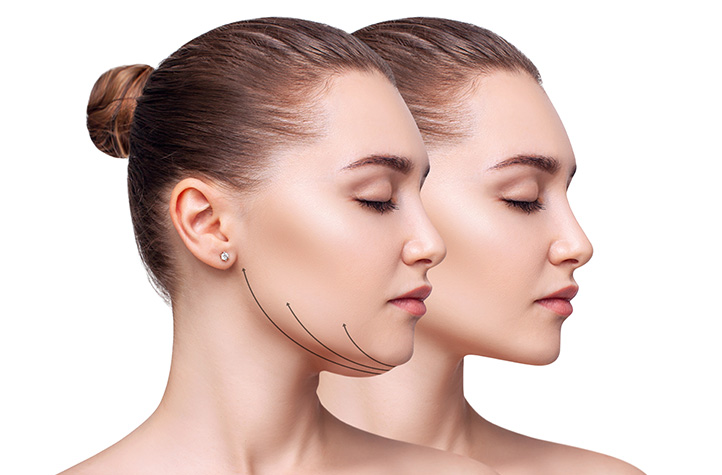
Liposuction is a cosmetic surgery procedure that involves targeted fat removal from particular sites in the body. It works through controlled suction using specialised medical equipment. The procedure focuses on fat beneath the skin, commonly in areas such as the abdomen, thighs, upper arms, and chin. The goal of liposuction is to improve body contours in people who are close to their target weight but have localised fat that does not respond to diet or exercise.
This guide explains what liposuction is, how the surgery works, the typical liposuction recovery time, and what to expect from liposuction results. It also covers risks, aftercare, and frequently asked questions.
What is Liposuction?
Liposuction is a medical procedure performed by a certified plastic surgeon. It involves removing fat cells using thin tubes called cannulas. The cannulas are connected to a controlled vacuum system that facilitates the precise extraction of fat cells from under the skin.
The abdomen, hips, thighs, upper arms, and chin are among the areas commonly targeted during liposuction. In some cases, liposuction is performed for surgical reasons, such as abdominal liposuction or chin liposuction to restore body proportions, and not to lose body weight drastically.
Liposuction does not permanently reduce the fat cells in the body. Rather, it changes how fat is distributed in targeted areas. It does not treat obesity or replace long-term weight management.
Why Liposuction is Performed
Liposuction is performed to remove excess fat from specific areas of the body where it persists despite conventional weight-control efforts. It is suitable for people who maintain a stable weight and have localised fat that does not respond to regular exercise or a balanced diet.
The procedure works best when the target area’s skin has good elasticity, and there are no major underlying health conditions that could impact recovery or safety. Liposuction may also support surgical correction after previous procedures or help reduce localised fat associated with conditions such as lipedema or gynaecomastia.
Liposuction is not used to treat obesity or replace structured weight loss programmes. The aim of the procedure is to reshape selected areas through targeted fat removal.
Types of Liposuction Techniques
Several techniques are used in liposuction. The choice depends on the area treated, fat texture, and clinical assessment.
- Tumescent Liposuction: This method involves injecting a fluid mixture into the target area that contains saline, anaesthetic, and vasoconstrictors to control bleeding and facilitate fat removal.
- Ultrasound-Assisted Liposuction (UAL): This method uses ultrasonic waves to break down fat tissue before suction. It is often selected for areas with fibrous fat, such as the upper back or chest.
- Laser-Assisted Liposuction (LAL): This technique uses a laser to melt fat cells and promote skin tightening. It is frequently used in procedures such as double chin liposuction or arm contouring.
- Power-Assisted Liposuction (PAL): This method uses a powered cannula that vibrates to break up fat for easier extraction.
Procedure: What Happens During Liposuction Surgery
Liposuction surgery is performed in a hospital or surgical facility following strict safety protocols. The exact steps depend on the volume of fat to be removed and the target regions. However, here’s what generally happens during a liposuction surgery:
- Anaesthesia: Local or general anaesthesia is administered depending on the size and number of areas to be treated during the procedure.
- Incisions: Small and well-positioned incisions are made in the skin through which surgeons insert the cannula. These are kept minimal to reduce scarring post-procedure.
- Fat Removal: A thin tube is passed through the incision and used to break down and suction out fat using controlled vacuum pressure. The specific instrument may vary depending on the particular method of liposuction.
- Closure: Once the target level of fat is removed, the incisions are sealed using sterile techniques and covered to begin the healing process.
The procedure usually lasts one to three hours. Most patients return home the same day, although some cases require short observation.
Side Effects and Risks of Liposuction
Liposuction is a safe procedure performed by certified plastic surgeons in Dubai using advanced surgical methods. Some minor side effects are common and usually settle with time. Some common side effects include:
- Swelling, Bruising, and Soreness: These are among the most commonly reported issues post-surgery and usually settle within days or weeks.
- Temporary Numbness or Pain: Some patients experience mild discomfort or reduced sensation around the treated area during the healing period.
- Fluid Accumulation: Temporary collection of fluid may occur and may need drainage if persistent.
Some side effects require medical attention if they persist. Some signs to watch out for are:
- Infection or Bleeding: Rare but serious concerns that require medical intervention and monitoring during the early postoperative phase.
- Nerve or Tissue Damage: There is a minor possibility of injury to surrounding tissues or nerves.
- Scarring or Discolouration: Liposuction scars are usually small, but skin texture changes or pigmentation issues may develop.
Aftercare and Recovery
Proper liposuction aftercare can reduce complications and help patients recover with minimal discomfort. Surgeons typically provide specific instructions based on the type of procedure performed.
- Compression Garments: These are worn for several weeks to control swelling and support the healing skin over the new contours.
- Medications: Prescribed medications help reduce pain and prevent infection, contributing to a smoother recovery.
- Activity Restrictions: Avoid heavy lifting, exercise, or pressure on treated areas for at least two to four weeks.
- Wound Care: Keeping incisions clean and dry reduces the risk of infection and promotes a faster recovery.
- Recovery Time: Most individuals resume light activity or work within one week. Full liposuction recovery time may extend up to six weeks, depending on the case.
Surgeons also advise regular follow-up checks to monitor healing and review the surgical outcome.
Liposuction Results: What to Expect:
Early changes are often visible within one to two weeks as swelling reduces. Improvements continue over time, and final liposuction results may take three to six months to stabilise.
Fat cells removed during liposuction do not regenerate. The outcome remains stable if weight is maintained post-surgery. However, fat cells in untreated areas may still expand with weight gain.
Maintaining long-term results requires conscious dietary habits, hydration, physical activity, and avoiding large fluctuations in weight. A realistic understanding of how liposuction works is necessary for clarity on what to expect in terms of results.
When to Consult a Specialist:
Liposuction may be considered when localised fat affects body shape despite healthy habits. A consultation with a qualified plastic surgeon helps assess suitability, risks, and expected outcomes.
Liposuction outcomes can be maintained over the years when patients adhere to the appropriate postoperative treatment and maintain healthy lifestyle changes. Although the process does not substitute lifestyle interventions, it is a viable surgical procedure for targeted body reshaping.
FAQs:
1. What is a liposuction procedure?
Liposuction is the local removal of fat in the body through the use of suction cannulas that are inserted into the body through small incisions under anaesthesia.
2. Is liposuction painful?
Slight pain or discomfort is normal during the recovery. Surgeons may prescribe specific medication and supportive measures to alleviate pain.
3. What is the healing time of liposuction?
The majority of the patients can resume normal activities in a week. Depending on the procedure, it might take 4 to 6 weeks to recover fully.
4. What are the risks or side effects of liposuction?
The most prevalent side effects are swelling and bruising. Uncommon risks include infection, bleeding, contour deformity, or anaesthetic reaction.
5. When will I start noticing the results of liposuction?
Initial results appear within two weeks. The final body contouring can be seen three to six months following surgery.
6. What is the difference between laser and traditional liposuction?
Laser liposuction vaporises fat with focused laser energy before suction, unlike traditional techniques that cut fat with a cannula.
7. Are the effects of liposuction permanent?
Liposuction does not arrest the proliferation of fat cells on its own. To sustain the results, one must maintain their weight, eat healthy, and exercise.
8. Are there any scars associated with liposuction?
The scars from liposuction are usually small because the incisions are small. These scars reduce over time with proper liposuction aftercare.
References:
https://www.bodybybloch.com/blog/the-purpose-and-procedure-of-liposuction/
https://www.okadoc.com/en-ae/blog/blog/health-beauty/liposuction-how-it-works-side-effects
https://en.dsfhriyadh.fakeeh.care/blog/liposuction-what-you-need-to-know