


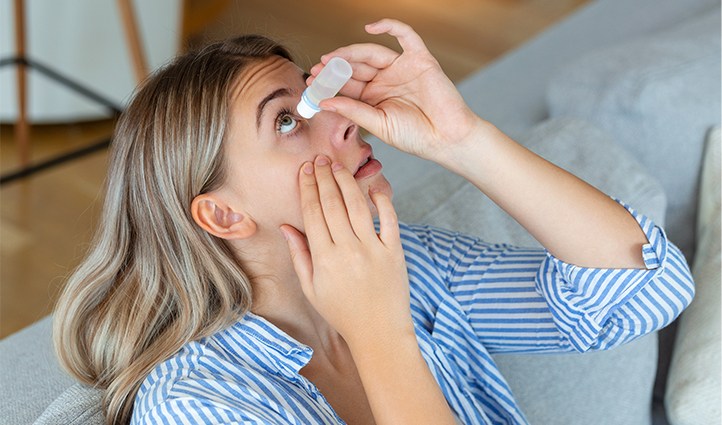
Tears are often associated with discomfort or emotional stress. However, from a medical perspective, they are a sign of a healthy and responsive eye. Tears are an essential defence system of the cornea and conjunctiva, which is commonly referred to as the tear film.
Moreover, tears cleanse the ocular surface, maintain moisture balance, and protect against environmental irritants. In many cases, tearing reflects the eye's natural effort to restore stability, preserve clear vision and prevent dry eye disease (DED), also known as keratoconjunctivitis.
What Is Dry Eye Disease?
Dry eye disease is a complex condition that affects the surface of the eye and the quality of the tear film. The tear film is the thin, protective layer of moisture that covers the eye. It keeps the surface smooth, nourished, and comfortable while preventing this multifactorial disease.
The term "multifactorial" means that dry eye does not have a single cause. It can develop due to reduced tear production, excessive tear evaporation, inflammation, hormonal changes, ageing, prolonged screen use, certain medications, or underlying medical conditions.
Basically, dry eye disease simply means that the natural balance of tears has been disrupted. As a result, the eye surface dries out, leading to irritation, burning, blurred vision, and inflammation.
Understanding Dry Eye Syndrome
Dry eye syndrome is a disorder related to a lack of moisture. This may happen because the lacrimal glands do not produce sufficient tears or because the tears dry out faster than normal when the meibomian glands fail to secrete an adequate lipid layer.
Tears are not merely fluid on the eye's surface. They are essential for lubrication, protection, and clear vision — without them, eyes become red, scratchy, and uncomfortable. Tears are made of three essential layers:
- An oily layer that prevents evaporation
- A watery layer that hydrates the eye
- A mucous layer that helps tears spread evenly across the surface.
When any one of these components becomes imbalanced, the tear film loses stability. As a result, the exposed ocular surface becomes inflamed and irritated.
Over time, this instability can lead to persistent discomfort, fluctuating vision, sensitivity to light, and a sensation of grittiness. Dry eye disease is not merely a temporary dryness. Indeed, it is often a chronic inflammatory condition that requires proper evaluation and targeted management to protect long-term eye health.
Why Early Dry Eye Treatment Matters
Chronic dry eye is an ongoing condition in which the tear film remains unstable for an extended period. When the surface of the eye does not receive adequate lubrication, the excess dryness causes irritation. Over time, it causes inflammation followed by persistent redness, fluctuating or blurred vision, and increased sensitivity to light.
If the condition is not properly managed, the covering outer layer of the eye (the cornea) may develop small areas of surface damage. Over time, these damages may become infected and cause further visual damage. A proper treatment to restore tear film stability protects long-term ocular health. If ignored, long-standing inflammation can interfere with the glands responsible for producing healthy tears.
Over time, it will create a self-perpetuating cycle of dryness and irritation. Chronic dry eye can gradually lead to persistent redness, blurred vision, and even corneal damage. Although it is one of the common eye conditions, especially in people over 40, contact lens wearers, or those using digital screens for long hours.
The constant inflammation can create a cycle where the eye becomes less able to produce healthy tears. To prevent it at an initial stage and be safe from further complexity, early diagnosis and appropriate treatment are essential.
Types of Dry Eyes
Dry eye disease is a multifunctional condition affecting the tear film. It is broadly classified based on whether the problem arises from reduced tear production, excessive tear evaporation, or a combination of both. Accurate diagnosis is essential for targeted treatment.
1. Aqueous Deficient Dry Eye
It occurs due to inadequate production of the watery portion of tears by the lacrimal glands. It essentially leaves the eye "thirsty." This form is less common but often more severe, frequently associated with autoimmune conditions like Sjögren's syndrome or as a result of the natural ageing process.
2. Evaporative Dry Eye
This is the most frequent type of dry eye. In this condition, the eyes produce a normal amount of watery tears, but they evaporate too quickly. The problem usually arises from meibomian gland dysfunction (MGD). These glands, located along the margins of the eyelids, secrete the tear film's oily layer. This layer prevents tears from evaporating too quickly.
Moreover, this oil keeps the eyes properly lubricated. When these glands are not functioning correctly, tears break up too fast, leading to dryness, irritation, and discomfort. When these glands are blocked, the tear film destabilises. Triggers often include prolonged screen exposure, dry environments, or heavy eye makeup use.
3. Mixed Dry Eye
This type of dry eye often occurs in people who experience long-term eye strain, such as those who spend many hours on screens, or in patients who have undergone LASIK eye surgery. Treatment usually needs to focus on two key aspects:
- Helping the eyes produce enough tears.
- Ensuring those tears stay on the surface long enough to keep the eyes comfortable and protected.
Common Dry Eye Symptoms
Early Signs Recognising dry eye symptoms early can prevent further complications. The most common signs include:
- A gritty or sandy sensation, feeling like something is "in" the eye.
- A burning or stinging sensation.
- Ironically, watery eyes—this is a reflex response to the irritation.
- Itching or redness.
- Blurry vision that often improves temporarily after blinking.
Moderate to Severe Symptoms
As the condition progresses without treatment, symptoms can intensify:
- Light sensitivity (photophobia) makes it hard to drive at night or be in bright rooms.
- Significant eye fatigue after short periods of reading or screen time.
- Stringy mucus discharge around the eyes.
- Difficulty wearing contact lenses comfortably.
Can Dry Eyes Cause Redness or Vision Issues?
Many patients are worried about, "Can dry eyes cause redness?" or "Can dry eyes affect vision?" And they are right to be worried. As mentioned above, dryness triggers inflammation. It leads to dilated blood vessels on the eye's surface and results in red, irritated eyes.
Furthermore, the tear film is a crucial refractive surface of the eye. When it is unstable or absent, it affects the visual clarity. If left untreated, chronic dry eyes can cause blurry vision or even corneal damage. Therefore, dry eyes can permanently affect visual clarity.
What Causes Dry Eye Syndrome?
Common Causes and Triggers
Ophthalmologists consider both environmental and physiological factors:
- Ageing: Ageing is a natural cause for a decrease in tear production. It is particularly observed in post-menopausal women.
- Screen time: We blink up to 66% less when staring at computers or smartphones, reducing tear distribution, leaving the eyes feeling dry, irritated, or uncomfortable.
- Contact lens use: Wearing contact lenses for a longer time may cause surface irritation and dryness.
- Environmental factors: Air conditioning, pollution, wind, and low humidity accelerate tear evaporation.
- Medications: antihistamines, certain antidepressants, and some blood pressure medications may alter the tear film as a side effect.
- Hormonal changes: Menopause and pregnancy can alter tear composition and production.
Medical and Lifestyle Risk Factors
Some medical and lifestyle factors can cause dry eyes. Autoimmune diseases (Sjögren's, lupus, rheumatoid arthritis) attack moisture-producing glands. Moreover, Eye surgeries, such as LASIK or cataract surgery, may affect corneal nerves and reduce tear production. Several other factors can also weaken tear quality, such as not drinking enough water or a lack of omega-3 fatty acids.
Diagnosis of Dry Eye Disease
How Ophthalmologists Evaluate Dry Eyes
A precise diagnosis requires specialised equipment. An ophthalmologist in Dubai will typically utilise the following tests for accurate diagnosis:
Tear film tests: Such as Schirmer's test, which measures tear volume using a strip of paper.
Slit-lamp examination: To inspect the cornea and tear film health under high magnification.
Meibomian gland assessment: To check for blockages in the oil glands.
Tear osmolarity test: This evaluates the salt balance of tears to diagnose severity.
Treatment – What to Do for Dry Eyes
Home Remedies and Lifestyle Tips
Patients suffering from dry eyes can manage mild cases at home. If you are wondering what to do for dry eyes initially, try these steps:
- Use lubricating eye drops or artificial tears to relieve dryness.
- Apply daily warm compresses to stimulate and unblock the meibomian glands.
- Blink regularly during extended screen use to maintain tear distribution.
- Maintain optimal room humidity with a humidifier.
- Stay hydrated and include omega-3 fatty acids in your diet to support tear quality.
Medical Treatments
For those seeking how to cure dry eye syndrome or manage chronic cases, medical interventions are available:
- Prescription eye drops: Medications like cyclosporine or lifitegrast reduce inflammation. Moreover, they increase tear production.
- Punctal plugs: These are tiny devices which are inserted into the tear ducts to retain tears on the eye surface longer.
- Lid hygiene therapy: Specialised cleaning for meibomian gland dysfunction.
- Light-based therapies (IPL): Intense Pulsed Light therapy is increasingly used to treat chronic dry eye inflammation effectively.
Preventing Dry Eyes
Everyday Prevention Tips
Prevention is often the best cure. To maintain ocular comfort:
- Adhere to the 20-20-20 rule: Look at something 20 feet away for 20 seconds after every 20 minutes,
- Always wear protective eyewear when exposed to windy or dusty environments.
- Avoid staring at direct airflow from fans, car vents, or air conditioners.
- Manage smoke exposure and avoid strong chemical perfumes that create a burning sensation in the eye.
- Follow a balanced diet and especially consume vitamins A, C, and E.
- Schedule regular eye check-ups, especially for contact lens users or seniors.
Possible Complications of Untreated Dry Eye
Dry eye syndrome can gradually lead to more serious or chronic conditions, which may affect our vision.
Corneal inflammation (Keratitis): Chronic dryness can inflame the cornea, the clear front surface of the eye.
Corneal scratches or abrasions: The irritated eye surface is more prone to small injuries.
Corneal ulcers: Open sores may develop, which are painful and slow to heal.
Scarring of the cornea: Long-term, untreated dryness can cause permanent corneal damage.
Vision changes: Severe or prolonged complications may lead to lasting changes in vision.
Early recognition and treatment are therefore essential to protect eye health and prevent long-term complications.
Final Thoughts
Dry eye disease is a chronic condition that affects tear production and quality. Over time, it leads to irritation, redness, and visual disturbances that can impact daily life. Even, it can quietly damage the eye surface if not treated on time. Early recognition, proper evaluation, and personalised treatment are essential not only for comfort but also for protecting long-term vision.
Every tear matters—taking action today can prevent tomorrow's complications and preserve the clarity and health of your eyes. If you are experiencing irritation, redness, and sometimes blurred vision that is impacting your daily quality of life, consult an experienced ophthalmologist in Dubai at Aster Hospitals. Early diagnosis and effective treatment by our specialists will restore comfort.
FAQs
What diseases are associated with dry eyes?
Dry eyes are commonly associated with autoimmune disorders such as Sjögren's syndrome, rheumatoid arthritis, lupus, and thyroid disorders.
What are the common symptoms of dry eye syndrome?
Sjögren'sye disease comes with a gritty or sandy sensation, burning, redness, blurred vision, and excessive watering as a reflex to dryness.
What is the cause of dry eyes?
Causes range from ageing and hormonal, environmental, and lifestyle factors like wind and screen use, as well as medications and autoimmune diseases.
What are the worst symptoms of dry eye?
Symptoms include extreme light sensitivity, intense pain, significant vision fluctuations, and the inability to keep eyes open due to irritation.
How can I cure or manage dry eye syndrome at home?
You can manage symptoms using artificial tears, warm compresses, increasing water intake, taking omega-3 supplements, and taking frequent screen breaks.
When should I see an ophthalmologist for dry eyes?
You should see a doctor if symptoms persist despite home remedies, if you experience pain or vision changes, or if you have an autoimmune condition.
Where can I find the best eye hospital in Dubai for dry eye treatment?
Look for a reputable eye hospital in Dubai that offers specialised corneal services and advanced diagnostic technology for comprehensive dry eye management.