

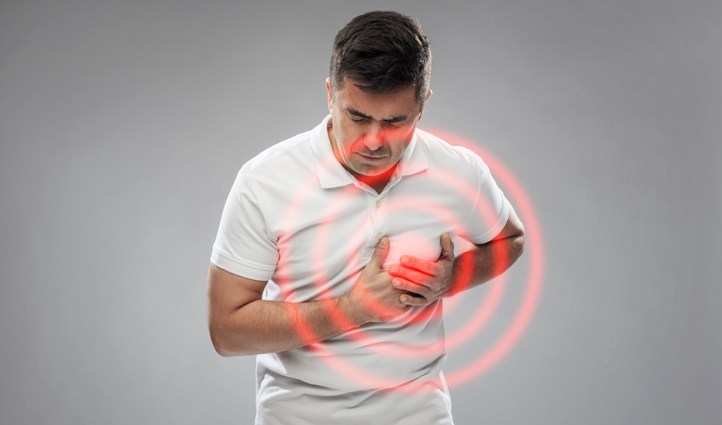
Your heart orchestrates every single beat with flawless precision to keep your body thriving. When this rhythmic system fails to send signals properly, it affects the circulation of blood throughout your body. However, a heart block is not a plumbing problem; it is an electrical one.
Unlike a heart attack, a heart block does not result from a blocked artery. Instead, interruptions or delays in the heart's electrical signals prevent it from beating normally. This can leave you feeling unusually tired, dizzy, lightheaded, or aware of a slow or irregular heartbeat.
What is Heart Block?
A heart block happens when disruptions in your heart's electrical system interfere with its normal function. The electrical signal starts at the top of your heart (the SA node) and travels through the upper chambers (atria). It travels down a specific pathway to the bottom chambers (the ventricles) to pump blood.
When the signal can't get through properly, your heart may beat too slowly to meet your body's needs, depriving your brain and muscles of oxygen-rich blood.
Heart Block Causes and Risk Factors
Understanding the causes of heart block is essential for effective treatment. Sometimes, a heart block is a natural result of ageing. The heart's electrical pathways wear down over time.
However, several other heart block risk factors and triggers can disrupt this system, including:
- Damage from a previous heart attack (myocardial infarction).
- Cardiomyopathy or other diseases of the heart muscle.
- Infections like Lyme disease often trigger inflammation of the heart muscle (myocarditis).
- Medications such as calcium channel blockers are used to treat high blood pressure when taken at high doses.
- Undergoing heart surgery that inadvertently damages the electrical pathways.
Recognising Heart Block Symptoms
Many people with a mild heart block have no idea anything is wrong. However, as the electrical delay worsens, the heart block symptoms become impossible to ignore. Because your brain and body aren't getting enough blood, you should seek an evaluation if you experience:
- Unexplained, severe fatigue or weakness.
- Dizziness or feeling lightheaded, especially upon standing.
- Shortness of breath during routine activities.
- Fainting (syncope) or feeling as though you might pass out.
- A noticeable fluttering or pounding sensation in your chest (palpitations).
Understanding the Types of Heart Block
Doctors classify the types of heart block based on the severity of the electrical delay and where the blockage occurs.
First-Degree Heart Block
This is the mildest form. In first-degree heart block, the electrical signals are slowed down, but they all eventually reach the lower chambers. It rarely causes symptoms and often doesn't require treatment, though it should be monitored as it can progress over time.
Second-Degree Heart Block
In this stage, some electrical signals don't reach the lower chambers at all, resulting in "dropped" or skipped beats. Second-degree heart block has two types:
Type 1: Usually less severe and requires thorough monitoring.
Type 2: More serious, with a higher risk of progressing to complete blockage, usually requiring immediate medical intervention.
Third-Degree Heart Block
A complete heart block, the most severe type. Third-degree heart block blocks the electrical signals from travelling between the upper and lower chambers. The lower chambers try to beat on their own, but it's a slow, unreliable rhythm that cannot sustain the body's needs. An emergency medical situation that requires immediate care.
Heart Block Diagnosis
Getting an accurate heart block diagnosis starts with capturing your heart's rhythm. Cardiologists use advanced diagnostics to pinpoint the issue. An Electrocardiogram (ECG) is the primary tool that records your heart's electrical activity to show where the delay is occurring.
For an intermittent heart block, you may also need a Holter monitor, a portable device worn for 24 to 48 hours to track your heart as you go about your daily life.
Medical Care and Treatment
Treating a heart block depends entirely on its severity. While first-degree and mild second-degree blocks may only require careful monitoring and medication adjustments, severe cases need active intervention.
When heart block becomes more serious, such as second- or third-degree block, your cardiologist will most likely recommend a pacemaker implantation in Dubai. A pacemaker is a tiny device placed just beneath the skin of your chest through a small, routine procedure. It watches over your heart around the clock, quietly stepping in the moment your heartbeat drops too low or suddenly skips a beat.
A pacemaker sends out soft electrical nudges that help guide your heart back into a steady, natural rhythm. It is almost like a gentle reminder to keep going. Once your heart is beating the way it should, blood flows freely again to your brain and the rest of your body. Over time, this can make a real difference, easing those unsettling symptoms and helping you feel more like yourself again.
The Bottom Line
While the diagnosis can sound intimidating, there is profound hope. The best cardiologists in Dubai provide extensive care to diagnose and treat heart block, stabilising your heart rhythm. Moreover, the diagnostic process needs state-of-the-art monitoring equipment.
The surgical implantation of a pacemaker needs a facility like Aster Hospitals with a dedicated cardiac catheterisation lab and a sterile, safe environment. Electrophysiologists, cardiac surgeons, and rehabilitation nurses at our best cardiology Hospital in Dubai provide a joined-up approach to ensure optimal outcomes. So you can get back to living your life without fear.
FAQs
Can a heart block go away on its own?
If the heart block is caused by a temporary issue, such as a severe infection or a reaction to medication, it may resolve once the underlying cause is treated. However, heart block caused by ageing or permanent damage to the heart muscle usually does not go away and requires long-term management or a pacemaker.
Is heart block the same as a heart attack?
No, they are entirely different. A heart attack is referred to as a physical blockage in the blood vessels supplying the heart muscle. In contrast, a heart block is an electrical issue where the signals that control the heartbeat are delayed or blocked. They require completely different treatments.
What is life like with a pacemaker for heart block?
For most patients, it is a life-changing experience. Once the pacemaker is implanted, your heart beats at a reliable rate, eliminating the dizziness and fatigue. You can return to your normal activities, including exercise. However, you will need to avoid strong magnetic fields and have the device checked regularly by your cardiologist.
How serious is a third-degree heart block?
A third-degree heart block is a medical emergency. Without treatment, the heart rate can drop so low that it leads to severe fainting, heart failure, or sudden cardiac arrest. Immediate medical attention and the urgent implantation of a pacemaker are required to stabilise the patient.
Can stress or anxiety cause a heart block?
No. While severe stress can cause palpitations or a racing heart, it does not damage the heart's electrical wiring. Heart block is an intrinsic conduction issue, not a stress-related rhythm disturbance.
Can I use a microwave or a mobile phone if I have a pacemaker?
Yes. Modern pacemakers are well-shielded against everyday appliances. You can safely use microwaves and smartphones, but avoid placing your phone directly over the device or lingering near strong electromagnetic fields.
Where can I get evaluated or treated for heart block in Dubai?
You can seek specialised cardiac care at Aster Hospitals in Dubai. Our expert electrophysiologists utilise advanced diagnostic ECGs and provide comprehensive pacemaker implantation to safely and effectively manage heart block.