


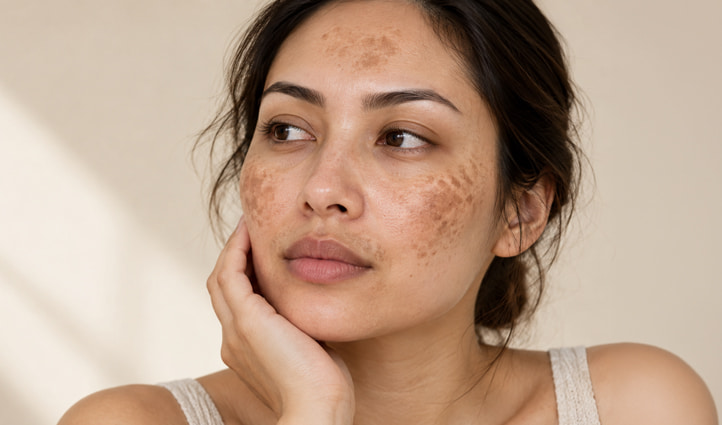
Melasma is a common skin condition that causes brown or grey patches on the face, especially on areas exposed to the sun. Although it is not harmful, it can be difficult to treat and often returns. Because hormones and sun exposure both play a role, effective treatment usually requires more than regular skincare.
If you don't treat the root causes, melasma tends to hang around for years. It can suddenly flare back up just when you think your skin has cleared. Managing melasma starts with understanding its cause, getting the right diagnosis, and protecting your skin from the sun every day.
Here is a breakdown of how this condition develops, what drives it, and how modern dermatology approaches long-term control.
What Is Melasma?
Melasma develops when the skin produces too much melanin, the pigment that gives skin its colour. This happens because melanocytes, the cells that make melanin, become overactive. The extra pigment collects in the skin, leading to dark patches.
Melasma is different from a sunspot or a temporary skin mark. It usually appears as larger, uneven patches on both sides of the face. For example, a patch on one cheek is often matched by a similar patch on the other.
Types of Melasma and Their Patterns
Dermatologists look at two things to classify melasma: how deep the pigment goes, and where it sits on your face. Knowing the depth is critical because deeper pigment won't respond to basic surface creams.
Pigment Depth
- Epidermal Melasma: This type affects the top layer of the skin. Epidermal melasma causes dark brown patches with well-defined borders and improves with medicated creams.
- Dermal Melasma: In this type, the pigment lies deeper in the skin. The patches are usually bluish-grey or light brown with blurred borders.
- Mixed Melasma: The most common variation. You get a combination of surface and deep pigment, which creates a brown-grey tone and needs a multi-layered treatment plan.
Facial Patterns
- Centrofacial: Spreads across the forehead, cheeks, upper lip, nose, and chin.
- Malar: Concentrates strictly on the upper cheeks and nose bridge.
- Mandibular: Traces along the jawline and lower chin.
What Causes Melasma?
Melasma has many causes. It is a combination of internal genetics, hormonal shifts, and external exposure. Main reasons are:
- Sunlight (UV Rays): Ultraviolet light directly helps melanocytes produce pigment. A few minutes of unprotected exposure to direct sunlight can delay months of treatment progress.
- Visible and Blue Light: High-energy light from digital screens and indoor lighting also becomes a cause of pigment production, particularly for medium to darker skin tones.
- Hormonal Changes: Spikes in oestrogen and progesterone may push melanin production higher. This is why melasma frequently flares during pregnancy or when taking birth control pills and hormone replacement therapy.
- Heat: Heat can cause inflammation. Extreme hot weather, hot saunas, steam rooms, busy kitchens, or intense workouts stretch facial blood vessels and make pigmentation worse.
- Genetics: If your family has a history of hyperpigmentation, your risk is naturally higher. It is also common in darker skin types (Fitzpatrick types III–V).
- Harsh Cosmetics: Skincare products that sting, burn, or irritate the skin barrier cause inflammation, which often turns into fresh melasma patches.
Recognising Melasma Symptoms
Melasma is usually easy to spot early on. Catching it early prevents pigment from setting into the deeper layers of the dermis. Look for these key features:
- Smooth, flat patches of skin discoloured in light brown, dark brown, or grey tones.
- Symmetrical marks on both sides of the face, especially the cheeks, forehead, or upper lip.
- Patches that darken noticeably after time spent outdoors or in hot conditions.
- Zero itching, pain, flaking, or physical discomfort.
Diagnosing Melasma: Clinical Tests and Assessments
Because melasma can look like post-inflammatory marks, sun spots, or even autoimmune conditions like lupus, an expert assessment is essential. Dermatologists use these specific tools to identify the melasma types:
- Visual Inspection: Evaluating the layout, symmetry, and tone of the patches under standard light.
- Wood's Lamp Examination: A black-light tool held over the skin. Epidermal pigment becomes clearer under this light, while dermal pigment remains unchanged and reveals exactly how deep the issue goes.
- Dermoscopy: A high-magnification lens used to inspect blood vessels and pigment structures up close.
- Skin Biopsy: It is rarely needed; a small sample may be tested if the presentation looks atypical.
Effective Clinical Treatments of Melasma
Finding a lasting melasma cure requires medical treatment, sun protection, and long-term care to reduce pigmentation and prevent recurrence. Other treatment options are:
- Topical Inhibitors: Prescription creams containing hydroquinone, azelaic acid, kojic acid, or tranexamic acid work directly to block the enzyme responsible for melanin production. Tretinoin speeds up cell turnover, shedding pigmented skin cells faster.
- Mesotherapy: Mesotherapy containing PDRN and exosomes is a highly effective, cutting-edge regenerative treatment option for stubborn melasma.
- Oral Tranexamic Acid: Low-dose prescription tablets for vascular inflammation and to stop melanocytes from overreacting.
- Laser Therapies: Specialised Q-switched or vascular lasers target stubborn dermal pigment and redness. These must be calibrated carefully to prevent heat from causing rebound hyperpigmentation.
Preventing Melasma Recurrence
The following daily strategies help in keeping melasma away:
- Wear Tinted Sunscreen Daily: Use a broad-spectrum SPF 50+ every morning. The tint comes from iron oxides, which are necessary to block visible blue light (standard clear sunscreens only block UV).
- Reapply Regularly: Put on fresh sunscreen every two hours if you are outdoors or sitting near a window.
- Physical Shade: Wide-brimmed hats and UV sunglasses are essential. Try to stay in the shade between 10:00 AM and 4:00 PM.
- Avoid Excess Heat: Limit activities that expose your face to excessive heat, such as hot yoga, saunas, and hot baths.
- Be Gentle with Your Skin: Ditch harsh facial scrubs, alcohol-heavy toners, and aggressive tools.
When to Consult a Specialist
Bleaching creams bought online without a prescription can ruin your skin barrier, making discolouration much worse. If your pigment isn't fading, you should visit a dermatology and cosmetology specialist.
If you are looking for advanced dermatological care, visiting a dedicated dermatology hospital in Dubai such as Aster Hospitals gives you access to precise diagnostics, medical-grade peels, and targeted laser tech.
Moreover, our specialists will ensure you get a safe, personalised regimen that lifts stubborn pigment without compromising your skin barrier.
The Bottom Line
Melasma occurs when excess melanin is produced due to direct sun exposure, hormonal changes, genetics, and heat. It is not treated as a harmful condition, but it can be persistent and may return if these conditions are not treated.
Early diagnosis, appropriate medical treatment, and consistent daily sun protection are essential for reducing pigmentation in the skin and preventing future flare-ups.
Consulting an experienced dermatologist in Dubai can help you choose the most effective treatment plan based on your skin type and the depth of the pigmentation.
Frequently Asked Questions
What are the main causes of melasma?
Sunlight, blue light from screens, hormonal shifts (like pregnancy or birth control), heat, and genetic predisposition are the primary causes of melasma.
How does melasma differ from general hyperpigmentation?
Melasma appears as symmetrical, map-like patches driven mainly by hormones and light. General hyperpigmentation usually comes from localised injuries, like acne scars or cuts, and doesn't follow a symmetrical pattern.
Can melasma fade on its own?
Melasma may fade on its own in some cases. However, persistent or sun-related melasma often requires targeted medical treatment and consistent sun protection to clear.
Is laser treatment safe for melasma?
It can be very effective when done by a skilled specialist. However, if the settings are too aggressive, the heat can backfire and trigger worse pigmentation.
Why do I need tinted sunscreen for melasma?
Tinted sunscreens contain iron oxides. This ingredient blocks visible light and screen glare, which standard clear sunscreens cannot stop from triggering pigmentation.