


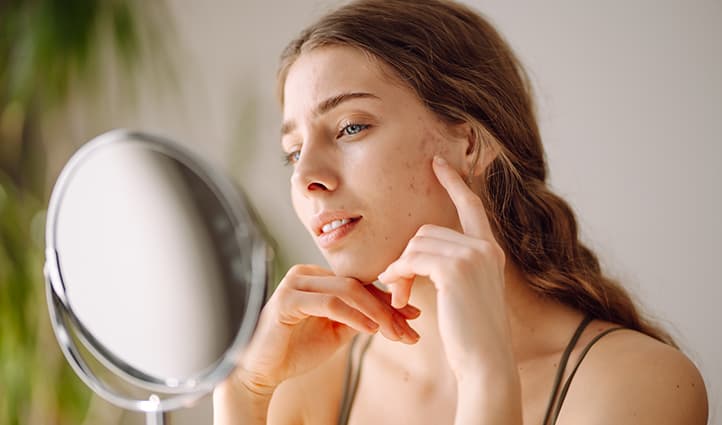
You see yourself in the mirror and notice a patch of skin that looks noticeably darker than the rest. Maybe there are more such spots on your cheek, or a patch across your forehead that your foundation just cannot seem to cover. It is deeply frustrating and lowers your self-confidence, especially when you feel like you are doing everything right with your skincare routine.
These changes may indicate that your skin is reacting to some internal or external triggers. But to fix the issue, you have to understand what is driving it. Let's understand what is happening beneath the surface, the different forms it takes, and what actually works to clear it up.
What is Skin Pigmentation?
Let's start with the basics. When people ask, what is skin pigmentation, they are usually talking about hyperpigmentation, areas of the skin that have turned darker than their natural tone.
Your skin contains cells called melanocytes. They act as tiny ink cartridges. Their job is to produce melanin. It is the pigment that gives your skin, hair, and eyes their colour. Melanin is not just for looks; it is your body's built-in sunscreen, rushing to the surface to shield your DNA from ultraviolet (UV) radiation damage.
Under normal conditions, these ink cartridges distribute colour evenly. But when melanocytes are damaged, they can go into overdrive, clump together, and may pump out too much melanin at one spot. This causes an extra skin pigment condition, visible patches or spots that refuse to fade on their own.
Skin Pigmentation Causes
If you want to get rid of the dark patches, it's important to understand what switched those melanocytes into overdrive. When doctors look at skin pigmentation causes, they usually point to three main offenders.
The Sun
UV radiation in the sunlight is the most important trigger for melanin production. Every time you step outside without protection, your skin pumps out more pigment to defend itself. Over the years, this melanin starts distributing unevenly and is selectively triggered, causing patchy, stubborn skin pigmentation spots.
Hormones
Hormones significantly influence your skin. Surges in oestrogen and progesterone, whether from pregnancy, birth control pills, or hormone therapy, can overstimulate melanocytes. This may lead to a specific type of pigmentary condition called melasma, which shows up as large, blotchy patches on the face or forehead.
Inflammation
A stubborn pimple often leaves a dark mark long after it has healed. That is post-inflammatory hyperpigmentation. When your skin gets inflamed from acne, eczema, or even an aggressive cosmetic treatment, it responds by producing excess melanin in that specific area as part of the healing process.
Skin Pigmentation Types
If you want an effective treatment, you have to know exactly what you are dealing with. Here are the most common skin pigmentation types:
Melasma
These are larger, diffuse patches that usually show up on the cheeks, forehead, bridge of the nose, and upper lip. Because they are driven by hormones, they can be incredibly stubborn and tend to darken with even a tiny bit of sun exposure.
Solar Lentigines (Sunspots)
These are the distinct, sharply defined little spots you find on the sides of your face, your hands, and your chest. They are the direct result of cumulative sun damage, and once they appear, they may stay for a long time.
Post-Inflammatory Hyperpigmentation (PIH)
These are flat spots of varying darkness left behind after a skin injury or inflammation. They can range from light brown to deep black. It depends on your skin tone and the depth of the original trauma.
Freckles
Small, concentrated dots of melanin that have a strong genetic association. They are totally harmless and often darken in the summer while fading in the winter.
Treatment Options for Skin Pigmentation
With a targeted approach, you can see great improvement. The effective treatments for skin pigmentation are:
Topical Treatments
While effectively addressing discolouration, you must utilise ingredients that inhibit tyrosinase, i.e., the enzyme responsible for melanin synthesis. While hydroquinone remains the clinical gold standard, azelaic acid, vitamin C, kojic acid, and retinoids serve as highly proficient alternatives. However, these formulations demand patience and consistent application for a minimum of 8 to 12 weeks before you will see a real difference.
Chemical Peels
A dermatologist applies a controlled acid solution to exfoliate the top layers of damaged skin, forcing your body to regenerate a smoother, more even layer of skin.
Laser and Light Therapy
For deep or stubborn pigmentation, lasers like Q-switched or Intense Pulsed Light (IPL) are game-changers. They specifically target the concentrated melanin, shattering it into tiny particles that your body then flushes out naturally. It is highly effective, but it has to be done by an expert dermatologist. Using the wrong laser on the wrong skin type can actually make your pigmentation much worse.
The Bottom Line
If you have been spinning your wheels with cosmetic creams and your dark spots are not budging, it is time to see a professional. Experienced dermatologists in Dubai can properly assess your skin, figure out exactly what type of pigmentation you have, and build a realistic treatment plan.
If your pigmentation is severe or you need advanced laser work, getting treated at a specialised dermatology hospital in Dubai ensures you are in the safest hands with access to the best technology available. Stop fighting your reflection. Get the right diagnosis, stick to the plan, and give your skin the chance to even itself out.
FAQs
Can skin pigmentation be cured permanently?
It really depends on the cause. Sunspots and post-inflammatory marks can often be cleared for good with the right treatment and strict sun protection. Melasma is trickier. However, it can be cleared. Because it is hormonal, it can come back if your hormones shift again.
How long does it take for pigmentation treatments to work?
Patience is key. Topical creams usually take about three months of daily use to show obvious improvement. Laser treatments work faster, and you might see a big difference in just two or three sessions, spaced a few weeks apart.
Will drinking more water clear up my pigmentation in Dubai?
Hydration, especially in a hot climate in the UAE, is great for your overall skin health, but it will not fade dark spots. Pigmentation is about melanin overproduction, not dryness. You need active ingredients that target melanin to see a real change.
Is it safe to use lemon juice on dark spots?
No, lemon juice is highly acidic. Hence, it can cause severe chemical burns. It also reacts badly with sunlight, which can actually trigger more pigmentation. Always stick to properly formulated skincare instead of kitchen remedies.