


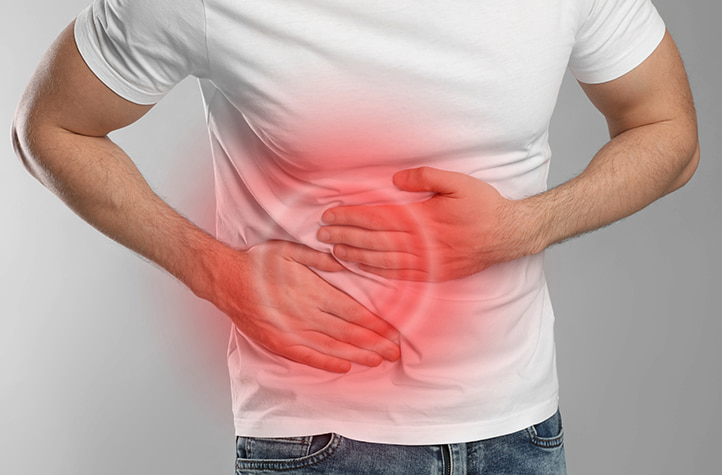
A sudden and intense pain or discomfort in the upper right abdomen after a heavy or fatty meal is often one of the first warning signs of gallstones. Many people experience these symptoms without realising that small, hardened deposits may be forming silently inside the gallbladder, which doctors commonly refer to as gallstones.
These small, hard deposits or calculi can form gradually in the gallbladder. They often cause no trouble for years, and then suddenly trigger agonising symptoms. You must recognise this condition and consult an experienced gastroenterologist to manage it effectively. Moreover, it can lead to severe complications if ignored. Since the gallbladder plays a crucial role in fat digestion, early diagnosis and timely medical care can mitigate medical emergencies and ensure safe and complete recovery.
What Are Gallstones?
Gallstones, or biliary calculi, may develop when the biochemical composition of bile becomes imbalanced. The gallbladder, a small, pear-shaped digestive organ in the right upper quadrant of the abdomen, usually stores liver-produced bile. When the components of this digestive fluid, primarily cholesterol or bilirubin, become too concentrated, they supersaturate the bile and cause it to precipitate into crystals.
Most people have "silent stones" that cause no problems. However, if a stone lodges in a duct and blocks the flow of bile, it causes a "gallbladder attack." There are two main types:
- 1. Cholesterol stones (These are usually yellow-green and the most common)
- 2. Pigment stones (These are small, dark stones made of bilirubin)
What Causes Gallstones?
Medical experts agree that several factors contribute to the formation of these deposits. The occurrence of stones is usually a sign of an imbalance in the chemical makeup of the bile within the gallbladder.
Excess Cholesterol
Under normal conditions, bile contains bile salts and other natural substances that help dissolve cholesterol produced by the liver. Keeping it in liquid form helps prevent it from forming crystals. However, if the liver secretes more cholesterol than bile can dissolve, the excess cholesterol hardens into calcified stones.
Excess Bilirubin
This is a biochemical produced when the body breaks down red blood cells. Certain conditions (like liver cirrhosis or blood disorders) cause the liver to make too much bilirubin, leading to pigment stones.
Impaired Gallbladder Emptying
If the gallbladder fails to empty completely or often enough, it may cause excessive bile concentration, contributing to the formation of stones. Obesity, a high-fat and low-fibre diet, and rapid weight loss are significant risk factors that increase the likelihood of developing gallstones.
Gallstones Symptoms
Many individuals with gallstones remain asymptomatic and may be unaware of their condition. However, when a significant blockage occurs, the gallstone symptoms can be severe and sudden. The most common symptom at this phase is biliary colic. It is a persistent, continuous discomfort felt in the upper right side or the middle portion of the abdomen.
This pain can last from several minutes to a few hours. Other distinct symptoms of gallstones include:
- • Nausea and Vomiting: The pain is often accompanied by an upset stomach.
- • Radiating Pain: The discomfort might spread to the right shoulder or the back between the shoulder blades.
- • Indigestion: Chronic indigestion, bloating, and gas often occur, especially after fatty meals.
If a person experiences fever along with these symptoms, or if the pain persists for more than a few hours, it may indicate that a more serious infection is setting in.
Complications of Gallstones
Ignoring the initial signs can aggravate the condition. While the pain is distressing, the complications of gallstones can pose a real threat to overall health.
Inflammation of the Gallbladder (Cholecystitis)
If a stone blocks the neck of the gallbladder, bile builds up, causing inflammation. This can lead to severe pain and fever.
Blockage of the Common Bile Duct
A stone can migrate and block the tubes through which bile flows from the liver or gallbladder to the small intestine. This can result in jaundice (yellowing of the skin and whites of the eyes) and bile duct infection.
Pancreatitis
A stone that blocks the pancreatic duct can cause inflammation of the pancreas. This is a severe condition that often requires immediate medical attention.
To prevent these complications of gallstones, medical intervention is usually necessary once symptoms become apparent.
For convenient reference, here is an overview of symptoms versus complications:
Gallstone Removal
When symptoms become frequent or severe, doctors recommend surgery. The standard treatment is gallstone removal, and in more severe cases of infection or blockage, removing the entire gallbladder. The body can function perfectly well without it, as the liver simply secretes bile directly into the small intestine.
The most common method is laparoscopic cholecystectomy. In this minimally invasive procedure of gallstone removal, the surgeon makes small, precise incisions in the abdomen and inserts a lighted camera and special tools to remove the gallbladder. This type of minimally invasive gallstone surgery is preferred because it results in less pain. Moreover, this procedure results in shorter hospital stays and ensures faster recovery compared to conventional surgery.
How Long Does Gallstone Removal Recovery Take?
The duration of recovery depends on the surgical approach used and the patient's overall health condition. Patients undergoing laparoscopic surgery usually return home the same day or the next day. Most people feel able to resume their daily lifestyle within a week, but full internal healing takes longer.
Generally, patients can resume light activities within three to five days of surgery. However, if the surgery was more intensive (requiring a larger incision), recovery can take up to six to eight weeks. Moreover, patients should follow their specialist’s instructions, such as avoiding heavy lifting or climbing stairs, for a limited period. It is also crucial to follow a specific diet immediately after surgery to help the digestive system adapt.
Dietary Restrictions for Gallstones Patients
Diet plays a massive role in managing gallbladder health, both before and after surgery. To prevent attacks, patients must know foods to avoid in terms of gallstones. Since the gallbladder is responsible for processing fats, a high-fat diet triggers strong contractions that can push stones into the duodenum of the intestine. Patients should steer clear of these foods to avoid gallstones.
- • Fried Foods: Fried chicken, chips, and pakoras are major triggers.
- • High-Fat Dairy: Butter, cheese, cream, and ice cream should be limited.
- • Processed Meats: Sausages, salami, and hot dogs are hard on the digestive system.
- • Refined Carbohydrates: White bread and sugary pastries can worsen the condition.
A good rule of thumb here is to generally avoid highly processed, fried, and sugary foods. Instead, you can prioritise freshly made meals and foods. Focus on a high-fibre diet. Consume plenty of vegetables, fruits, and whole grains.
How to Find the Best Gastroenterologist in Dubai
Digestive issues require expert care. If you experience the common symptoms of gallstones, you need a gastroenterologist with extensive experience in managing biliary diseases who can accurately diagnose and treat the condition.
Whether you need medication management or a referral for gallstone removal, a specialist at Aster Hospitals can guide you through the process with advanced diagnostic imaging and minimally invasive surgical options. Our team of specialists works closely with surgeons to ensure a seamless care plan from diagnosis to recovery.
Conclusion
Gallstones are a painful condition for those affected. By understanding the symptoms and knowing what causes gallstones, individuals can take proactive steps to manage their health. While diet and lifestyle changes help, surgery is often the definitive solution for those with recurring pain or extensive symptoms.
If you experience persistent abdominal pain or nausea, do not ignore it. Early diagnosis prevents severe complications. Consult an expert at the best gastroenterology hospital in Dubai to discuss your options. With the right medical team, you can overcome the pain, remove the stones, and return to a life free from digestive distress.
Frequently Asked Questions
1. Can I dissolve gallstones with medication?
Medication exists to dissolve certain types of stones, but it is slow in terms of effect. Doctors generally recommend gallstone removal via surgery for permanent relief, as stones often return if the gallbladder is left in place.
2. What happens if I ignore my gallstones?
Ignoring them can lead to severe complications, such as inflammation of the gallbladder, blocked ducts, and pancreatitis. These conditions can be medical emergencies and require immediate care.
3. Are there specific gallstone foods to avoid after surgery?
Yes, immediately after gallstone removal, the body struggles to digest large amounts of fat. You should avoid fried, greasy, and spicy foods for a few weeks, gradually reintroducing them as tolerated.
4. How long is the recovery from gallstone removal?
Most people return to normal routines within one to two weeks after laparoscopic surgery. However, full internal healing may take longer, and you should avoid heavy lifting or climbing stairs for about a month or as per your surgeon's instructions.
5. Where can I find the best gastroenterologist in Dubai?
You should look for DHA-licensed and JCI-accredited facilities. Visiting the best gastroenterology hospital in Dubai ensures you receive top-tier care from experienced specialists who use the latest diagnostic technology.