

Polycystic Ovary Syndrome (PCOS) is one of the most common hormonal disorders affecting women of reproductive age worldwide. They may change how you feel, how your skin behaves, or how regularly your periods arrive. In many cases, these changes are part of a larger condition. One of the most common among them is PCOS, short for polycystic ovary syndrome.
Precisely, PCOS is a common chronic endocrine disorder that affects ovarian function and hormone regulation in women of reproductive age. Some women may discover PCOS when they have irregular periods or when they notice changes in skin texture, hair growth, or weight. Recognising these signs early may help prevent long-term complications. This blog explains what PCOS is, how it affects the body, and what steps may help manage it better.
What is Polycystic Ovary Syndrome (PCOS)?
Polycystic ovary syndrome (PCOS) is a hormonal condition that affects how the ovaries function. It is identified by a combination of symptoms linked to hormone imbalance. Most women diagnosed with PCOS experience at least two of the following:
1. Irregular or Absent Ovulation
In a typical menstrual cycle, the ovaries grow and release an egg, a process known as ovulation. With PCOS, this process may not happen regularly. The egg might not mature properly or may not be released at all, which often results in unpredictable or skipped periods.
2. Higher-than-usual Androgen Levels
Androgens are male-pattern hormones present in women in small amounts. In PCOS, elevated androgen levels (hyperandrogenism) disrupt ovulation and cause visible symptoms, such as increased facial or body hair, acne, or oily skin.
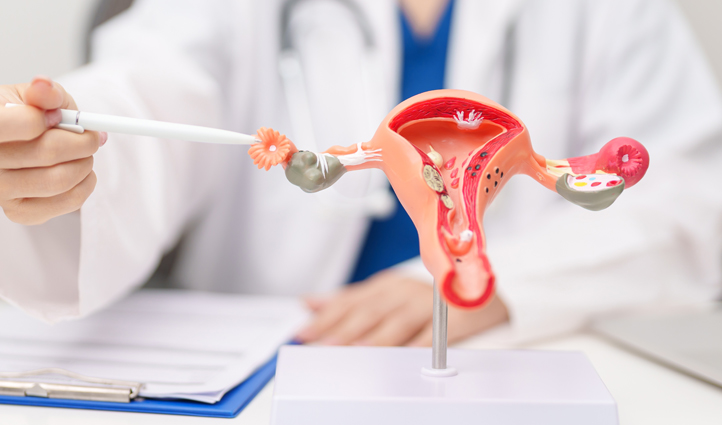
3. Multiple Small Ovarian Cysts
Some women with PCOS develop tiny, fluid-filled sacs inside the ovaries. These are immature follicles that did not release an egg. However, the presence of multiple follicles alone does not confirm PCOS; diagnosis requires at least two of the three Rotterdam criteria.
How PCOS Affects the Body
PCOS leads to changes in hormones like oestrogen, progesterone, insulin, and androgens. These changes affect the menstrual cycle and may lead to skin problems, irregular bleeding, or trouble conceiving.
PCOS Symptoms
PCOS may present itself in different ways. The following are the most reported signs of PCOS.
- Irregular or Missed Periods: Periods may become less frequent or stop altogether. Some women experience heavy bleeding, while others face long gaps between cycles.
- Excess Hair Growth: This includes thick hair on the chin, upper lip, chest, or abdomen. It is often linked to high levels of male hormones.
- Persistent Acne and Oily Skin: Breakouts may continue well beyond the teenage years. The skin may also feel greasy or develop blackheads more often.
- Weight Gain or Difficulty Losing Weight: Many women notice that fat accumulates around the stomach. Even major changes in diet may not produce visible results.
- Thinning Hair or Hair Loss: Hair on the scalp may appear finer. Some women may notice bald patches along the crown or parting line.
- Dark Patches on the Skin: These often appear around the neck or armpits. The skin may also feel different in these areas.
- Skin Tags: Small folds of skin may form in places like the underarms or around the neckline.
- Trouble Conceiving: Irregular ovulation may make it harder to become pregnant without support.
- Mood Swings or Fatigue: Some women with PCOS report feeling tired often. Mood changes may also appear alongside physical symptoms.
What Causes PCOS?
The exact cause of PCOS remains unclear. However, research suggests that it is influenced by a combination of genetic predisposition, insulin resistance, and hormonal dysregulation. Let’s explore the factors that may contribute to its development in detail.
1. Hormonal Imbalance
Women with PCOS often have increased levels of androgens. These are hormones typically present at lower levels. When these levels increase, they interfere with ovulation. The result is irregular periods, acne, and excessive facial or body hair.
2. Insulin Resistance
Insulin is a hormone that helps the body use sugar. When cells do not respond to insulin as expected, the body produces more of it. High insulin levels may lead to increased androgen production, which may worsen PCOS symptoms. Insulin resistance is common in women who are overweight and may lead to diabetes over time.
3. Genetic Factors
Polycystic Ovary Syndrome (PCOS) has a recognised genetic component and often runs in families. Women with a first-degree relative, such as a mother or sister, diagnosed with PCOS, may have an increased risk of developing the condition due to inherited hormonal and metabolic patterns. While no single gene is responsible, patterns suggest a hereditary link.
4. Low-Grade Inflammation
Some women with PCOS show signs of mild, long-term inflammation. This may trigger the ovaries to produce more androgens. Inflammation may also affect weight, energy levels, and insulin function.
Risk Factors for PCOS
Certain conditions may raise the likelihood of developing PCOS. These include:
- A family history of polycystic ovary syndrome
- A personal history of type 2 diabetes or prediabetes
- Being overweight or having sudden weight changes
- A sedentary lifestyle with limited movement
- A diet high in processed foods or sugar
- Gestational diabetes history
- Family history of metabolic syndrome
These factors do not always lead to PCOS, but may increase the likelihood or severity of symptoms.
Possible Complications of PCOS
If left unmanaged, PCOS may lead to further health problems. These include:
- Fertility Issues: Irregular ovulation may make it difficult to become pregnant without assistance.
- Depression and Anxiety: Ongoing physical symptoms may affect emotional well-being.
- Type 2 Diabetes: Insulin resistance may raise blood sugar levels over time.
- High Blood Pressure: Hormonal changes may increase the strain on blood vessels.
- Sleep Apnoea: Breathing may stop and start during sleep, especially in obese women.
- Endometrial Cancer: Prolonged irregular ovulation may lead to endometrial hyperplasia and increase the risk of endometrial cancer over time.
These complications may be reduced through early diagnosis and active care.
When to See a Doctor
Women should consider consulting a DHA-licensed PCOS specialist or the best gynaecologist in Dubai if they experience any of the following:
- Missed or highly irregular periods for several months.
- Unwanted facial or body hair that is new or worsening.
- Unexplained weight gain, especially around the stomach.
- Difficulty becoming pregnant after trying for several months.
- Acne that does not improve with standard care.
- Scalp hair loss or patches of baldness.
These may be signs of PCOS or other hormonal conditions. Early diagnosis, structured lifestyle modification, and targeted medical therapy significantly improve long-term PCOS outcomes.
Final Overview
Polycystic ovary syndrome affects how hormones are regulated and how the ovaries function over time. It may cause irregular menstruation, weight fluctuations, acne, and changes in hair growth. While the symptoms may vary, many women manage them with consistent care. The condition is common and can be controlled with early intervention.
Women can manage symptom severity by following a regular routine suggested by experienced gynaecologists at Aster Hospitals. Participating in physical activities, following a balanced PCOS diet, and scheduling frequent check-ups help maintain hormone balance. Each treatment plan must reflect personal symptoms and medical history. A targeted approach may deliver better results than a general plan.
FAQs
What is PCOS?
Polycystic Ovary Syndrome (PCOS) is a common hormonal disorder affecting women of reproductive age. It disrupts ovulation, causes irregular menstrual cycles, and may lead to excess androgen levels, acne, weight gain, and fertility challenges.
What are the common symptoms of PCOS?
Women may experience irregular periods, acne, unexpected weight gain, scalp hair thinning, and increased facial or abdominal hair growth. Moreover, patients can experience difficulty conceiving due to irregular ovulation.
How is PCOS diagnosed?
Gynaecologists refer to medical history assessment, physical examination, blood tests to evaluate hormone levels, and pelvic ultrasound to confirm hormone levels and assess ovarian structure.
Can PCOS affect fertility?
Yes. Ovulation may become irregular, which reduces the chances of natural conception without medical support or cycle tracking. However, many women successfully conceive with ovulation induction, lifestyle management, or fertility treatment.
What are the treatment options for PCOS?
PCOS treatment revolves around lifestyle modification, weight control, diet changes, hormone regulation, and specific interventions for acne, hair growth, or irregular bleeding. Individualised care plans improve symptom control and reproductive outcomes.
Is there a cure for PCOS?
There is no permanent cure for PCOS. However, many women control symptoms through routine medical treatment, balanced nutrition, regular exercise, and long-term hormonal monitoring.
Can lifestyle changes help manage PCOS symptoms?
Yes, lifestyle changes play a key role in PCOS management. A balanced, low-glycaemic diet, physical activity, consistent sleep and stress management may reduce hormone fluctuations and improve cycle regularity.
Are there any long-term health risks associated with PCOS?
Yes. These may include type 2 diabetes, high blood pressure, infertility, and increased risk of endometrial issues. Early diagnosis and ongoing medical supervision reduce long-term complications.
How does PCOS affect pregnancy?
Women with PCOS may experience delayed conception and higher risks of gestational diabetes or pregnancy-induced hypertension. Moreover, they may need monitoring during pregnancy for sugar levels or blood pressure.
When should I consult a doctor about PCOS?
If you experience persistent irregular periods, unexplained weight gain, acne, excessive hair growth, or difficulty conceiving that do not improve, it is time to seek medical advice. Early evaluation supports accurate diagnosis and timely hormonal management.
Is PCOS genetic?
PCOS has a recognised genetic component. Women with affected relatives have a higher risk due to inherited hormonal and metabolic tendencies.
Can PCOS go away on its own?
PCOS does not resolve completely on its own. Symptoms may improve with weight loss or treatment. However, long-term management and hormonal monitoring are typically required.
Can I get pregnant if I have PCOS?
Yes. Many women with PCOS conceive with help from lifestyle adjustments, ovulation tracking, or medical intervention. Effective fertility treatments significantly improve conception rates.
Does PCOS mean I have cysts on my ovaries?
Not necessarily. While some women show multiple ovarian follicles on ultrasound, others may meet hormonal and clinical criteria for PCOS without visible cysts.
Who is the best doctor in Dubai for PCOS treatment?
A board-certified gynaecologist or a PCOS specialist in Dubai is the best doctor for initial PCOS treatment. They provide comprehensive evaluation, hormonal testing, fertility guidance, and long-term metabolic care tailored to individual needs.