


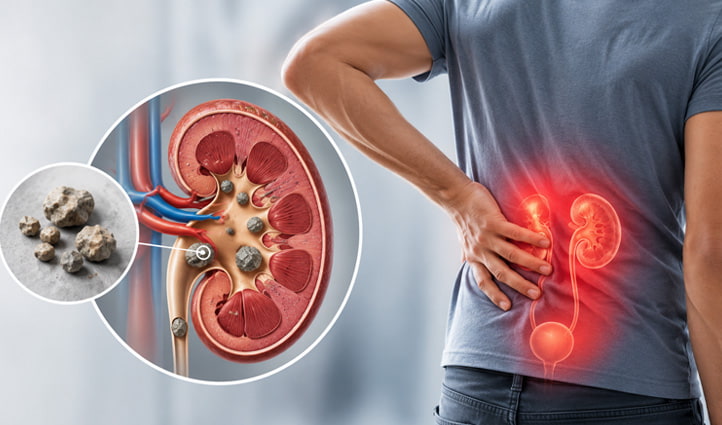
The kidneys play a vital role by removing waste, balancing electrolytes, and regulating fluid levels in the body. Every day, these organs help clear out what the body no longer needs. This process usually functions efficiently unless disrupted by infection, obstruction, or stone formation. When that happens, the effects are not always subtle.
One of the most common urinary tract disruptions is kidney stone formation. These are hard minerals and salt deposits that develop inside the kidneys. For many people, they remain unnoticed until pain suddenly appears. That pain can be sharp. It can travel from the back to the lower abdomen and also go to the genitals. It can stop someone in the middle of their day. That is often how kidney stones are first discovered.
Understanding how kidney stones form is important, and the early warning signs should never be disregarded. Treatment may help avoid further damage. Prevention may lower the chance of recurrence. This makes awareness the first step toward safer outcomes.
Causes and Risk Factors
Dehydration
The kidneys need fluid to flush out waste. When water intake falls, urine becomes concentrated. That concentration makes it easier for minerals to clump together. These clusters may harden over time. In hot climates such as the UAE, excessive sweating increases fluid loss and raises the risk of dehydration-related kidney stones. Without effective hydration, the risk increases. This makes dehydration one of the most common reasons for kidney stones.
Diet and Lifestyle
Diet significantly influences the risk of kidney stone formation. Foods high in salt may raise urine calcium levels. That increases the chance of calcium-based stones. A diet high in red meat or seafood may increase uric acid levels. That makes uric acid stones more likely. Eating chocolate, spinach, or nuts may increase oxalate levels in the body. When paired with calcium, oxalate may form stones.
Lifestyle also plays a role. Weight gain and physical inactivity may impact how the kidneys handle minerals. The body may not eliminate them as efficiently. Over time, this may increase the risk of stone formation.
Medical Conditions
Several health conditions affect how the body handles minerals and fluids. People with gout may have high uric acid levels. That makes uric acid stones more common in these individuals. Patients with inflammatory bowel disease, bowel resection, or malabsorptive disorders may absorb excess dietary oxalate, increasing the risk of calcium oxalate stone formation.
Other conditions, like hyperparathyroidism, may raise calcium levels. This creates an ideal environment for stones. Certain infections may also change urine composition. These changes may promote stone formation in specific cases.
Family History
Kidney stones can have a hereditary component. Individuals with a family history of kidney stones are at higher risk of developing them, particularly calcium oxalate stones, due to inherited metabolic or mineral-handling tendencies. Some people inherit a tendency to absorb or excrete minerals in an unusual way. That tendency may lead to frequent stone formation. In these cases, prevention requires extra focus on diet and hydration.
Symptoms
Pain (Flank, Lower Back, Abdomen)
One of the earliest signs of kidney stones is sudden pain. It may start in the lower back area near the kidney. As the stone moves, the pain may shift to the lower abdomen or groin. This path follows the urinary tract. The pain may come in waves and intensify as the stone moves through the ureter. Pain may radiate to the testis in males, labia in females, or the urethral meatus as the stone migrates distally.
Hematuria (Blood in Urine)
Blood in urine is another common sign of kidney stones. The colour may vary. Some people notice red or pink urine. Others report brownish shades. This happens when a stone irritates or scratches the urinary tract. It is not always visible but may appear in test results.
Nausea and Vomiting
Kidney stone pain may trigger nausea. In some cases, the pain may be severe enough to cause vomiting. This is due to the way the nerves in the kidney area interact with the digestive system. The body may react to intense discomfort by slowing the stomach down.
Fever and Chills
If a stone blocks the flow of urine, infection may follow. That infection may lead to fever and chills. This is a serious sign, and that may require the immediate attention of an experienced urologist. If ignored, it may cause more damage to the kidneys or bloodstream.
Cloudy or Foul-Smelling Urine
Urine that smells bad or appears cloudy may suggest an infection. It may also indicate that the kidneys are not effectively flushing waste. This could be due to a stone obstructing part of the urinary tract.
Diagnosis
Medical History and Physical Examination
Scheduling an appointment with an experienced urologist is the first step toward diagnosing kidney stones. A healthcare provider may ask about kidney stone symptoms, diet, fluid intake, and family history. They may perform physical exams to assess tenderness in the flank. This helps localise tenderness and assess possible ureteric obstruction.
Imaging Tests (Ultrasound, CT Scan)
An imaging test helps confirm the presence of stones. Ultrasound is often used first. It is safe and avoids radiation. CT scans offer clearer images and can detect smaller or hidden stones. Both methods help assess the stone's size and position.
Urinalysis
A urine test helps detect blood, crystals, or signs of infection. It also checks urine acidity. This matters because some stones form in acidic environments while others form in alkaline conditions.
Blood Tests
Specialised blood samples may show high levels of calcium or uric acid. Routine blood tests may show infection and assess kidney function. They may reveal if a medical condition is contributing to stone formation.
Treatment Options
Conservative Management (Hydration, Pain Relief)
If the stone is small, it may pass naturally. Increasing fluid intake supports natural kidney stone passage by promoting urine flow and helping move the stone through the urinary tract. Managing pain is part of conservative kidney stone treatment. The goal is to keep the patient comfortable while the stone moves.
Medications (Alpha Blockers, Pain Relievers)
Certain medications may help relax the muscles that align the urinary tract. These medicines make it easier for the stone to pass. Medication also offers effective pain relief and reduces discomfort while the body clears the stone.
Minimally Invasive Procedures (ESWL, Ureteroscopy)
If the stone is too large to pass, non-surgical options are also available. Urologists often perform Extracorporeal Shock Wave Lithotripsy (ESWL) and/or Ureteroscopy, such as Retrograde Intrarenal Surgery (RIRS). ESWL uses externally generated shock waves to fragment stones into smaller pieces that can be passed naturally. Ureteroscopy involves passing a scope through the urinary tract to treat ureteric stones. Flexible ureteroscopy or RIRS provides access to stones within the kidney and removes or fragments them using a laser. All these methods avoid open surgery and have shorter recovery times.
Surgical Intervention (Percutaneous Nephrolithotomy)
Larger or complex stones may require surgical intervention, in which a small incision is made in the back to access the kidney. The stone is then removed (or broken down) by using special tools. PCNL is generally recommended for large renal stones (>20 mm), staghorn calculi, or complex stone burdens.
Prevention Strategies
Adequate Fluid Intake
Drinking enough water is the most effective way to prevent kidney stones. A higher volume of urine helps wash out minerals before they form crystals. Patients should aim for a urine output exceeding 2–2.5 litres daily, which generally requires more than 2.5–3 litres of fluid intake depending on climate and activity level.
Dietary Modifications
Reducing salt, limiting animal protein, and moderating oxalate intake may lower the risk. Following a balanced diet supports overall kidney health. For those with a history of stones, these changes are often recommended long-term.
Medications (For Recurrent Stones)
Preventive medications may be prescribed for patients with recurrent stones to modify urine chemistry and reduce recurrence risk. These treatments are designed to adjust urine composition. They help prevent future stones from developing. Experienced doctors may prescribe them after analysing the type of stone and test results.
Regular Monitoring
Follow-up tests help detect problems early. Imaging, urine analysis, or blood work may be scheduled every few months or annually, depending on the patient’s condition. Regular checks allow for adjustments in diet or treatment.
Conclusion
Kidney stones can disrupt daily life, but recovery is possible with early awareness and consistent care. Staying hydrated and eating mindfully helps reduce the risk of kidney stones. When symptoms appear, timely testing and professional guidance at the best urology hospital in Dubai, Aster Hospitals, ensure better outcomes and minimise long-term issues. With timely evaluation by the best urologist in Dubai, kidney health can be restored and protected.
FAQs
What are kidney stones?
Kidney stones, or calculi, are solid deposits composed of minerals and salts. They may develop in the kidneys and travel through or obstruct the urinary tract.
What causes kidney stones to form?
Kidney stones form when urine contains excess minerals and low fluid volume. It causes particles to stick together and harden into crystals over time.
How can I prevent kidney stones?
Drink at least two to three litres of water daily. Reduce dietary salt and protein. Attend regular kidney check-ups if advised by your doctor.
What are the symptoms of kidney stones?
Sharp pain may occur in the lower back or abdomen. Urine may appear bloody. Some may also experience painful urination and nausea.
How are kidney stones diagnosed?
Doctors confirm kidney stones through physical examination, urine testing, blood analysis, and imaging, such as CT scans or ultrasounds, depending on the case.
What treatments are available for kidney stones?
Treatment depends on the stone’s size. Most people improve with increased fluid intake, pain relief, or non-surgical techniques used to break or remove stones.
Can kidney stones go away on their own?
Small stones often pass naturally if a person remains well hydrated. Medical support may still be needed to manage pain or monitor symptoms.
Are kidney stones hereditary?
Yes. Genetics may influence how the body handles certain minerals. If kidney stones run in the family, the risk of developing them increases.
What should I do if I suspect I have a kidney stone?
Seek immediate medical attention if you experience severe flank pain, blood in urine, fever, or difficulty urinating. These are acute symptoms, and experienced nephrologists at Aster Hospital can provide an effective, prompt solution.
How can I manage pain from kidney stones?
Pain from kidney stones is managed with hydration, prescription pain relievers, and medications that relax the ureter to facilitate stone passage. Drink more water and rest if advised. A DHA-certified urologist in Dubai may also suggest medications to reduce discomfort until the stone passes or is removed.
How to prevent kidney stones in the UAE’s climate?
Stay hydrated, limit salty and sugary foods, reduce intake of oxalate-rich foods, eat more citrus fruits, and avoid excessive heat exposure to lower kidney stone risk in the UAE’s hot climate.