


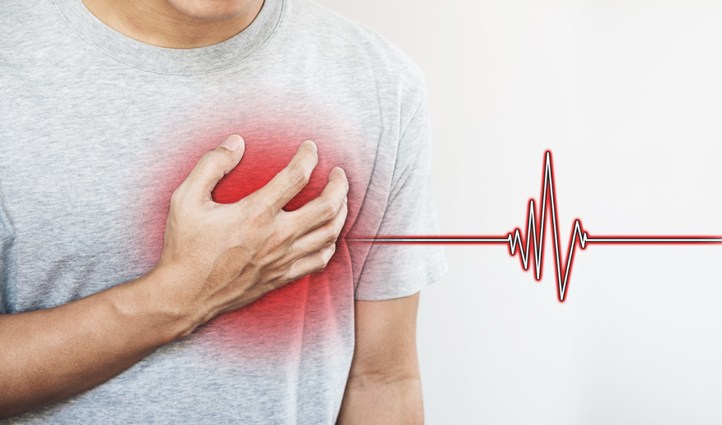
Your heart pumps thousands of litres of blood every single day to keep you alive and active. But what happens when this engine starts to tire? When the heart cannot pump blood as well as it should, it leads to a serious condition known as heart failure.
Catching the early signs of heart failure is vital. It can be the difference between managing the condition well and facing a severe health crisis. Let us explore what happens when the heart struggles, why it happens, and how to spot the warning signs.
What is Heart Failure?
Heart failure does not mean your heart has suddenly stopped working. Instead, it means the heart muscle has become weak or stiff. It can no longer pump with enough force to supply your body with oxygen and other nutrients it needs. Because the blood moves more slowly, pressure builds up in the heart, forcing fluid back into the lungs and tissues. Recognising the specific heart failure symptoms early on allows doctors to intervene and help your heart function better.
Spotting the Warning Signs
The body sends out distress signals when it is not getting enough oxygen. However, many people ignore these signals, thinking they are just tired or that it is part of getting older. Here are the common symptoms of heart failure that you should look out for:
- Breathlessness: Feeling short of breath when you are active or even lying down.
- Extreme Tiredness: Feeling exhausted after doing very simple tasks.
- Swelling: Noticeable puffiness in your ankles, feet, or legs, known as oedema.
- Weight Gain: Rapid weight gain from holding onto extra water.
Knowing these signs of congestive heart failure can help you seek care before the fluid builds up significantly.
Understanding the Different Categories
Not everyone experiences heart failure in the same way. Doctors sort it based on which side of the heart is affected:
- Left-sided: This is the most common type. The left side pumps oxygen-rich blood to the whole body. When it fails, fluid often backs up into the lungs.
- Right-sided: The right side pumps blood to the lungs to pick up oxygen. If it fails, fluid backs up into your belly, legs, and feet.
- Systolic: The heart muscle does not pump with enough power.
- Diastolic: The heart muscle becomes stiff and cannot fill properly with blood.
Recognising the types of heart failure helps your cardiologist and medical team choose the right treatment plan for you.
Why Does This Happen?
Heart failure rarely happens overnight. It is usually the result of years of damage to the heart muscle. High blood pressure forces the heart to work harder than normal, eventually wearing it out. Heart attacks damage the muscle, leaving scars that make it weaker. Faulty heart valves, viral infections, and irregular heartbeats are also common causes of heart failure. Over time, these problems slowly chip away at the heart’s pumping power.
How Can You Stop It?
The good news is that you have a lot of control over your heart health. Protecting your heart is about making smart daily lifestyle choices. Eating a well-balanced diet rich in fresh fruit and vegetables helps keep your blood vessels clear. Moving your body every day keeps the muscles strong. Moreover, keeping your stress levels down and avoiding smoking are major steps towards heart failure prevention. Managing conditions like diabetes and high cholesterol also stops further damage to your heart.
Getting the Right Help
If you or a loved one is feeling unusually breathless or noticing swollen ankles, do not simply brush it off as a normal sign of getting older. You should visit a highly skilled and board-certified cardiologist in Dubai for a thorough check-up and a clear treatment plan. They use advanced tests to see exactly how your heart is performing and give you the medicines needed to ease the strain.
When it comes to treating a weak heart, having access to the very best facilities and caring staff makes a huge difference. At Aster Hospitals, we offer excellent care tailored to your health needs. We combine the advanced diagnostic technology with a deeply compassionate, patient-first approach.
Our dedicated experts will help you manage your heart condition effectively so you can live a full life. Choosing the right cardiology hospital in Dubai ensures your heart is in safe hands. Do not wait for the symptoms to worsen. Early detection and the right treatment make all the difference.
Summary
Heart failure poses significant health risks, but can be addressed through early detection. Taking note of symptoms such as persistent breathlessness, fatigue, swelling, or sudden weight gain can help you seek timely medical care. With the right lifestyle changes, medications, and ongoing monitoring, many patients with heart failure go on to live active and full lives.
Frequently Asked Questions
Can heart failure be cured?
Heart failure is usually a long-term condition that cannot be completely cured. However, with appropriate treatment, lifestyle modifications, and regular follow-up, its symptoms can be effectively managed, allowing many people to maintain a good quality of life.
What are the first signs of heart failure?
Early symptoms of heart failure often include shortness of breath during physical activity, unusual fatigue, swelling in the feet or ankles, and sudden weight gain due to fluid retention. These symptoms should not go unnoticed, especially if they worsen over time.
Who is at risk of developing heart failure?
People with high blood pressure, coronary artery disease, diabetes, obesity, previous heart attacks, or heart valve disorders are at an increased risk of developing heart failure. A family history of heart disease and unhealthy lifestyle habits can also increase the risk.
Can heart failure be prevented?
While not all cases can be prevented, maintaining a healthy lifestyle can significantly reduce the risk. Eating a balanced diet, exercising regularly, controlling blood pressure and diabetes, avoiding smoking, and limiting alcohol intake all contribute to better heart health.
When should I see a doctor?
You should seek medical attention if you experience persistent breathlessness, swelling in your legs or ankles, unexplained fatigue, chest discomfort, or rapid weight gain. Early diagnosis and treatment can help slow the progression of heart failure and reduce the risk of serious complications.