

For some people with coronary artery disease, medications and lifestyle modifications alone may not be sufficient. In such cases, procedures such as angioplasty with a stent or bypass surgery may be recommended to improve blood flow to the heart. You will likely face a major decision about your future heart health.
Deciding between stent vs bypass surgery can feel incredibly overwhelming at first. Both are highly effective, life-saving ways to restore blood flow to a starving heart, but they work in completely different ways.
Let us explain these two major treatments so you understand exactly how to choose the right path for your body.
Fixing a Blocked Artery
Before diving into the specific treatments, you need to clearly picture the underlying problem. Your coronary arteries are like tiny hoses supplying fuel to a powerful engine. When fatty plaques clog these hoses, the engine starves for oxygen.
Placing a stent to treat a heart blockage is often the first line of defence when there is just one or two tight spots. Think of it like using a tiny plumbing tool to clear a jam and prop the walls open so the water can flow freely again. It is a neat, targeted solution.
What is a Stent?
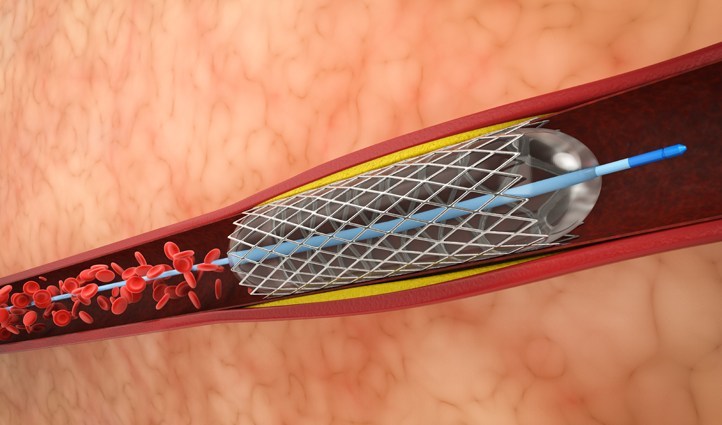
During a coronary stent procedure, a cardiologist makes a small needle puncture in your wrist or groin. They carefully thread a thin, flexible tube called a catheter up through your blood vessels to reach your heart. A tiny balloon at the tip is inflated to squash the fatty plaque flat against the artery wall.
Then a small wire-mesh tube, the stent, is left behind as a permanent scaffold. It locks into place, keeping the vessel propped open forever. Because no large surgical incision is involved, stent surgery recovery time is remarkably short. Most patients go home the very next morning and can return to their normal daily activities, like driving or office work, within just one week.
What is Beating Heart Surgery or Bypass Surgery?
Sometimes, the plumbing problem is simply too complex for a simple mesh tube. If you have multiple severe blockages or if the main left artery is heavily clogged, a beating heart surgery or bypass surgery procedure becomes the safest and most durable option.
In this open-chest surgery, the surgeon takes a healthy blood vessel from another part of your body, like your leg, arm, or from within the chest, and sews it above and below the blocked artery. This creates a brand-new route for blood to flow around the blockage, like a highway detour around a massive traffic jam.
Many people ask if this means stopping the heart. Not always! Today, a bypass surgery procedure can often be done as a "beating heart surgery." Also known as off-pump surgery, this means the surgeon uses special stabilising tools to hold perfectly still just the tiny section of the heart they are sewing on, while the rest of your heart continues to beat normally. This advanced method can reduce certain complications and make the whole operation smoother.
Choosing Between a Stent and Bypass Surgery
Patients always want a simple, quick answer when asking which is better, a stent or bypass, for their specific case. The treatment procedure depends entirely on your unique anatomy. Stents are perfect for isolated blockages. They are minimally invasive and get you home fast. Hence, if the blockage isn’t widespread, you should visit a cardiac care facility for angioplasty & stent placement in Dubai.
However, if you have widespread disease, especially if you are diabetic, bypass surgery offers a much longer-lasting solution. Studies show that over a decade, patients with severe, multi-vessel disease who get bypasses tend to live longer and have fewer heart attacks than those who just get stents.
When weighing stent vs bypass, which is better for your long-term health, your cardiologist will carefully consider your age, overall fitness, and exactly where the dangerous plaques are located.
Understanding the Risks
Making any major medical decision requires looking at both the good and the bad. Every treatment has pros and cons to weigh. It is incredibly important to have a realistic view of what to expect before you sign any consent forms, so you are not caught off guard later. No medical procedure is completely without risk, and understanding the risks of stent vs bypass helps you make an informed, confident choice.
Stents carry a small risk of the artery re-narrowing over time, or forming a dangerous blood clot right where the metal mesh sits. That is exactly why stent patients must take daily blood thinners very strictly.
On the other side, bypass surgery is a much bigger operation. It carries risks like infection, bleeding, and a longer time under heavy anaesthesia. Because it involves cutting through the breastbone, the bypass surgery recovery time is significantly longer. You might easily spend four or five days in the hospital and need several weeks before you feel completely well again.
Bottom Line
Choosing between these two treatments is a team effort between you and a highly skilled, board-certified and experienced heart specialist. If you are facing this decision in the UAE, seeking care from the best cardiologist in Dubai ensures that your case is reviewed with the absolute highest level of expertise. They use imaging to map your arteries and recommend the best option for a long life.
At Aster Hospitals Dubai, our experienced cardiologists provide advanced diagnostics, personalised treatment plans, and compassionate care to support every stage of your heart health journey.
By trusting your care to one of the best cardiology hospitals in Dubai, you can move forward with confidence, knowing your heart is in expert hands. Take action today to protect your heart tomorrow.
FAQs
How long does a stent last?
A stent is permanent, but it can clog if you ignore your diet. You must strictly take your prescribed blood thinners and maintain a healthy lifestyle to keep it open.
Is beating heart surgery safe?
Yes, it is very safe and often preferred. By avoiding the heart-lung machine, it significantly reduces the risk of complications, especially for older patients or those with severe illness.
Can heart blockages come back after surgery?
Yes, both stents and bypasses can develop new blockages over time. That is why quitting smoking and managing your diet are crucial to protect your surgical repairs long-term.
Will I need to take heart medication forever after stent or bypass surgery?
yes. Even after a successful stent or bypass, you will need drugs like blood thinners and statins to keep your repaired and remaining arteries safe from future plaque.
How do I know if my stent is failing?
You should watch for returning chest pain, shortness of breath, or fatigue similar to your original symptoms. If you experience these warning signs, seek emergency medical evaluation immediately to prevent a heart attack.
Why is cardiac rehabilitation important after heart surgery?
Cardiac rehab provides supervised exercise and lifestyle counselling that significantly lowers the risk of future heart events. It is an essential step to safely rebuild your physical strength and confidence.
Is it normal to feel depressed after heart surgery?
Yes, post-operative depression is quite common. The physical and emotional stress of major surgery takes a heavy toll. Seeking support from your medical team or a counsellor is strongly advised.
How do I choose the best hospital for bypass surgery in Dubai?
You should look for a heart hospital in Dubai with a dedicated cardiac intensive care unit, high surgical volumes, and a multidisciplinary team. Healthcare facilities like Aster Hospitals offer comprehensive, expert-led cardiac care.