

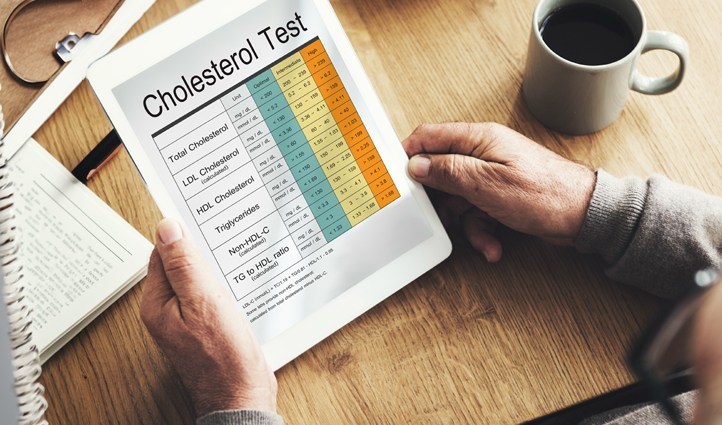
Your heart often gives early warning signs before a serious problem develops. Recognising them and seeking timely medical attention can make a significant difference in your health outcomes. You have probably heard about cholesterol, but seeing those numbers on a lab report can be very confusing.
Understanding the difference between LDL vs HDL cholesterol is the first step to taking control of your cardiovascular health before a silent problem turns into a real crisis.
The Basics of Cholesterol
Not all cholesterol is harmful. In fact, your body needs cholesterol to stay healthy. Your liver makes this waxy, fat-like substance because your body needs it to build healthy cells and make certain hormones.
The circulatory system operates as a complex vascular network. Because cholesterol is insoluble in the aqueous environment of the bloodstream, it requires transport via specialised protein complexes known as lipoproteins. This transport mechanism defines the clinical distinction between high-density and low-density lipoproteins.
Depending on the specific lipoprotein carrier, cholesterol will either facilitate arterial clearance or contribute to progressive atherosclerotic plaque accumulation over time.
Understanding LDL: The "Bad" Cholesterol
Low-density lipoprotein (LDL) is the primary atherogenic agent in the bloodstream. It functions by transporting and depositing cholesterol directly into the endothelial lining of the arterial walls. When circulating LDL levels remain elevated, this progressive lipid accumulation results in the formation of rigid atherosclerotic plaques.
This process slowly narrows the arteries, starving your heart of oxygen and setting the stage for that squeezing chest pressure we call angina. Knowing your normal cholesterol levels is the best way to catch this buildup early.
For most healthy adults, doctors aim for LDL below 100 mg/dl. If you have additional risk factors like diabetes, a strong family history or a prior history of heart attack, the target is even lower. If your number creeps higher, your arteries are at risk of becoming dangerously clogged.
Understanding HDL: The "Good" Cholesterol
High-density lipoprotein (HDL) is clinically recognised as the protective lipid fraction. Rather than depositing lipids into the arterial walls, HDL facilitates reverse cholesterol transport. It circulates in the bloodstream, scavenging excess cholesterol from peripheral tissues and arterial plaques, and transporting it back to the liver for metabolic processing and systemic excretion.
Having a higher number here is highly protective. If you are wondering how to lower LDL cholesterol, the answer usually starts with cutting out saturated fats found in full-fat dairy and red meat.
Moreover, you need to learn how to increase HDL cholesterol to help your body clean up the mess left behind. Regular cardiovascular exercise is one of the best ways to naturally boost your good cholesterol.
The Third Wheel (Triglycerides)
There is a third number on your blood test that is just as important. Understanding the “triglycerides meaning” is crucial for seeing the full picture of your heart health. Triglycerides are the most common type of fat in your body.
When you eat more calories than you need, especially from sugary foods or alcohol, your body converts those extra calories into triglycerides and, therefore, stores them in your fat cells. High triglycerides often pair with low HDL and high LDL, creating a perfect storm for heart trouble.
When you look at the direct link between cholesterol and heart disease risk, having high triglycerides acts like pouring thick grease down your kitchen sink. It makes the blood thicker and stickier, heavily increasing the chance of a dangerous blockage.
Taking Back Control
So, what happens if your numbers are out of range? Just like angina prevention, protecting your blood vessels is entirely within your control. Ditching the cigarettes is step one, as smoking directly lowers your good HDL.
Next, you must eat for your arteries. Swap out greasy, processed foods for a Mediterranean-style diet heavy on vegetables, whole grains, and healthy fats like olive oil. Moving smartly is also essential.
Keeping your blood pressure and blood sugar tightly controlled is also vital, as these silent forces wear down your artery walls and make it even easier for cholesterol to stick.
Moreover, you should also consult with an experienced and board-certified cardiologist for preventive cardiology treatment in Dubai to stay on the safe side.
Getting the Right Care
Your cholesterol report is more than just a list of numbers; it is an important indicator of your heart health. While LDL, HDL, and triglycerides each play different roles, keeping all three within a healthy range can significantly reduce your risk of heart disease, heart attack, and stroke.
With regular health check-ups, heart-healthy lifestyle choices, and timely medical care when needed, high cholesterol can be effectively managed. Understanding your numbers today can help protect your heart for years to come.
Bottom Line
Living with high cholesterol requires a steady, expert hand guiding your care. You cannot always feel high cholesterol, which makes it incredibly dangerous. If you are in the UAE, working with the best cardiologist in Dubai at Aster Hospitals ensures you are getting a treatment plan tailored to your specific lab results and lifestyle.
Our goal is to help you manage your cholesterol so effectively that you never have to fear a sudden heart crisis. By bringing together top-tier medical care, we strive to be the best cardiology Hospital in Dubai for your long-term heart health.
Frequently Asked Questions
Can I have high cholesterol and feel completely fine?
Yes, absolutely. High cholesterol is a completely silent condition. You will not feel any pain or pressure until the arteries are significantly narrowed and you develop angina. This is exactly why routine blood tests are your strongest defence.
Does eating eggs raise my cholesterol?
Dietary cholesterol does not impact your blood levels as much as saturated fats do. However, if your doctor tells you your numbers are high, it is still smart to limit high-cholesterol foods and focus heavily on healthy fats instead.
How often should I get my cholesterol checked?
Most healthy adults should have a fasting lipid panel done every four to six years. If you already have a family history of heart disease, or if you are taking medications to manage your numbers, your doctor will likely want to check your blood once a year.
Can high cholesterol be reversed naturally?
In many cases, lifestyle changes such as following a heart-healthy diet, exercising regularly, maintaining a healthy weight, and quitting smoking can significantly improve cholesterol levels. However, some people have a strong genetic predisposition to high cholesterol and may also require medication.
Do statins cause muscle pain, and should I stop taking them if they do?
Statins can cause mild muscle aches in some patients, but severe pain is uncommon. You should never abruptly stop taking your medication without consulting your cardiologist first; they can adjust the dosage or prescribe an alternative.
Why is my cholesterol high even if I eat well and exercise?
You may have a genetic condition called familial hypercholesterolemia, which impairs your liver's ability to clear LDL from the blood. When genetics is the root cause, lifestyle changes alone are rarely enough, and medical therapy is usually required.
What is the difference between cholesterol and triglycerides?
Cholesterol is a waxy substance used to build cells and hormones, whereas triglycerides are a type of fat that stores unused calories. While both circulate in the blood, high triglycerides are primarily driven by excess sugar, alcohol, and refined carbohydrates.
Where can I get a comprehensive cholesterol screening in Dubai?
You can undergo an advanced lipid panel at Aster Hospitals in Dubai. Our cardiology team provides thorough evaluations and personalised, evidence-based treatment plans to help you mitigate your cardiovascular risk factors effectively.