


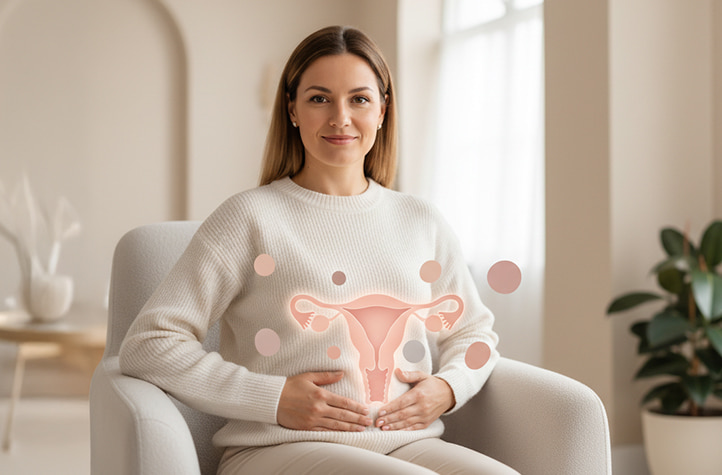
Many women live for years with heavy menstrual bleeding, fatigue, pelvic pressure, and prolonged periods without understanding the underlying cause. These symptoms may seem routine and are often dismissed as part of “normal” cycles or hormonal changes. Yet, for a significant number of women, these symptoms are linked to uterine fibroids, a common yet often overlooked women’s health condition.
Uterine fibroids, also known as leiomyomas or myomas, are the most common non-cancerous tumour of the uterus, affecting up to 70% of women by the age of 50. These fibrous tissues vary in size and location. While some remain small and asymptomatic, others may expand significantly and cause physical symptoms, such as heavy menstrual bleeding (menorrhagia), pelvic pain, frequent urination, and fertility challenges.
Fibroids may occur in women across different age groups. In many cases, fibroids do not require treatment. However, when they start to impact health or fertility, timely diagnosis by DHA-licensed gynaecologists becomes essential. Let’s explore the core fundamentals of uterine fibroids, the symptoms related to the condition, and relevant solutions for complete recovery.
What are Uterine Fibroids?
Uterine fibroids are non-malignant muscular growths that develop in the uterus. The exact causes of uterine fibroids are not fully known, but the commonly recognised risk factors are as follows.
- • Hormonal imbalance
- • Genetic predisposition
- • Family history
- • Early onset of menstruation
- • Obesity
Fibroids are often misconstrued to be polyps or ovarian cysts. The features and diagnosis of these conditions include:
Although fibroid symptoms are often silent at the outset, they can significantly impact quality of life and reproductive health in women. Early recognition of fibroid-related symptoms is essential to manage the condition effectively.
Types of Fibroids
Fibroids are classified based on their location within or outside the uterus. Each type may cause different symptoms depending on its size and position.
- • Intramural fibroids: These are located within the uterine wall and are the most frequently found fibroids. They may expand the uterus and cause heavy periods.
- • Submucosal fibroids: These grow into the uterine cavity and may result in significant menstrual bleeding. They are commonly linked to fertility problems.
- • Subserosal fibroids: These develop on the outer surface of the uterus. They may press on nearby organs, such as the bladder or bowel.
- • Pedunculated fibroids: These are attached to the uterus by a stalk-like structure. They may grow inside or outside the uterus and may cause sudden pain if twisted.
Common Symptoms of Fibroids
Fibroid symptoms depend on their size, number, and location. While many fibroids are asymptomatic, others may interfere with daily life or reproductive function.
- • Heavy or prolonged menstrual bleeding: This is one of the most common fibroid-related symptoms. It may lead to anaemia or fatigue in some individuals.
- • Pelvic pain or pressure: Larger fibroids may create a sense of heaviness or persistent pain in the lower abdomen or pelvis.
- • Frequent urination or difficulty emptying the bladder: Subserosal fibroids may press against the bladder, leading to urinary symptoms.
- • Constipation or bloating: Fibroids applying pressure on the rectum may disrupt normal bowel movements or create bloating.
- • Pain during sexual intercourse: If fibroids are situated near the vagina or cervix, they may cause significant pain during intercourse.
- • Back or leg pain: Large fibroids at the back of the uterus may compress nearby nerves, causing radiating pain.
- • Difficulty getting pregnant: Submucosal or large fibroids may interfere with implantation or disrupt the uterine environment.
Causes and Risk Factors
Diverse hormonal and lifestyle factors are generally associated with uterine fibroid development, although exact causes remain unclear.
- 1. Hormonal imbalance (oestrogen and progesterone): Fibroid growth is usually influenced by these reproductive hormones.
- 2. Family history of fibroids: A family history of uterine fibroids may pose a higher risk of developing the condition.
- 3. Early onset of menstruation: Starting periods at a younger age may increase hormonal exposure, which can contribute to fibroid formation.
- 4. Obesity and minimal physical activity: Higher body weight is often associated with increased estrogen levels, which may promote fibroid growth.
- 5. Vitamin D deficiency: Some studies suggest a potential link between low Vitamin D levels and fibroid development.
- 6. A diet high in red meat and low in green vegetables: Dietary preferences such as these may enhance fibroid risk.
Fibroids and Pregnancy
The relationship between fibroids and pregnancy is complex. While many women with fibroids conceive and deliver successfully, fibroids may influence fertility and pregnancy outcomes in specific cases.
- • Impact on fertility, implantation, and pregnancy outcomes: Large or cavity-distorting fibroids may interfere with sperm travel, implantation, or embryo development.
- • Possible complications: Fibroids may increase the risk of miscarriage and premature delivery. They may also increase the likelihood of a caesarean section during delivery due to an altered uterine shape.
- • Hormonal growth during pregnancy: Oestrogen levels rise during pregnancy, which may temporarily increase fibroid size.
- • Safe management options during pregnancy: Treatment focuses on monitoring. In some cases, adjustments in prenatal care are needed to manage risks.
Diagnosis of Fibroids
Early diagnosis is fundamental in managing fibroids effectively. Several medical methods are available to help confirm the presence, size, and type of fibroids.
- • Pelvic examination: A gynaecologist may identify abnormalities in uterine size or shape during a manual examination.
- • Ultrasound [transvaginal or abdominal]: This is the most common imaging test to visualise fibroid structure and location.
- • MRI or hysteroscopy: These tests are often used in complex cases or before surgical planning for precise evaluation.
- • Blood tests: Anaemia is a common result of heavy menstrual bleeding and may be assessed during routine investigations.
Treatment Options for Fibroids
Treatment options mostly depend on fibroid size, location, symptom severity, and the individual’s age. It also depends on whether the patient wants to preserve fertility. Most uterine fibroids do not need immediate intervention unless symptoms are significant.
Non-surgical treatments
- • Medications: Hormonal therapies may shrink fibroids or minimise heavy bleeding. Pain relievers may be used to manage discomfort.
- • Lifestyle management: Maintaining a balanced diet, engaging in regular physical activity, and managing body weight may support overall uterine health.
Minimally invasive procedures
- • Uterine artery embolisation: This procedure blocks the blood vessels feeding the fibroids, causing them to shrink over time.
- • MRI-guided focused ultrasound therapy: This non-invasive method uses ultrasound waves to eradicate fibroid tissue precisely without surgery.
Surgical treatments
- • Myomectomy: This procedure removes fibroids without causing any damage to the uterus. It may be suitable for women who wish to conceive in the future.
- • Hysterectomy: This surgical procedure involves the complete removal of the uterus. Hysterectomy may be recommended for severe cases or when other treatments prove ineffective.
Living with Fibroids
Living with fibroids demands long-term monitoring and making ideal lifestyle choices. For many women, managing symptoms is possible with consistent care.
- • Monitoring fibroids with regular checkups: Periodic imaging and clinical reviews help track fibroid growth or regression.
- • Maintaining a diet rich in fruits, vegetables, and fibre: A balanced and nutritious diet stimulates hormonal balance, may support overall hormonal regulation, and digestive health.
- • Managing stress and maintaining a healthy body weight: High stress and excess weight may intensify hormone fluctuations and uterine fibroid symptoms.
- • Importance of early medical intervention to avoid complications: Addressing symptoms early improves outcomes and prevents worsening of associated conditions.
When to See a Gynaecologist
Timely consultation with a qualified gynaecologist is vital when symptoms affect daily life or fertility. Ignoring symptoms may delay necessary interventions.
- • Severe or prolonged menstrual bleeding: Consistent menstrual bleeding [that lasts many days or disrupts normal activities] should be medically assessed.
- • Pelvic pain or pressure that does not improve with medication: Persistent pain despite over-the-counter treatments may indicate fibroid complications.
- • Fertility issues or repeated miscarriages: Women experiencing difficulty conceiving should be evaluated for uterine fibroids.
- • Rapid increase in abdominal size: Sudden or unusual abdominal bloating or pressure should not be ignored.
Be sure to book a consultation with the best gynaecologist in Dubai for expert fibroid assessment and treatment.
Conclusion
Uterine fibroids are common and manageable. Early diagnosis and personalised care can prevent complications, especially for those planning a pregnancy. Modern therapies offer non-invasive and surgical options tailored to individual needs. Women can effectively manage fibroids and maintain a healthy, active life by seeking care at the best gynaecology hospital in Dubai.
Therefore, women in Dubai experiencing persistent heavy bleeding or pelvic pressure may visit Aster Hospitals to seek evaluation from our experienced team of DHA-licensed gynaecologists. Our gynaecology specialists will conduct a thorough fibroid diagnosis and offer a personalised treatment plan. Early consultation improves long-term outcomes and promotes reproductive health.
FAQs
1. What are the early signs of fibroids?
Early signs of fibroids may include heavy periods, pelvic pressure, and frequent urination, especially if fibroids begin to grow in sensitive areas. Women experiencing persistent heavy menstrual bleeding should seek early evaluation to rule out symptomatic uterine fibroids.
2. What is the cause of fibroids in women's bodies?
Fibroids develop due to abnormal muscle growth in the uterus, often influenced by hormones such as oestrogen and progesterone. Genetic predisposition, hormonal imbalance, and reproductive-age estrogen exposure are recognised risk factors for uterine fibroid development.
3. What is the best treatment for fibroids?
The best treatment depends on fibroid size, symptoms, and pregnancy goals. Options include medication, minimally invasive therapy, or surgery. A DHA-licensed gynaecologist in Dubai can recommend personalised fibroid treatment, including myomectomy or uterine artery embolisation when required.
4. Which size of fibroid is dangerous?
Larger fibroids above 5 cm may affect organ function, fertility, or increase the risk of complications, depending on their location. However, fibroid size alone does not determine severity. Submucosal or rapidly growing uterine fibroids can cause significant symptoms even at smaller sizes.
5. How are fibroids diagnosed?
Fibroid diagnosis typically involves a pelvic examination, ultrasound, MRI, and blood tests to assess size, impact, and related symptoms. In Dubai, transvaginal ultrasound is commonly used as the first-line diagnostic tool for confirming uterine fibroids.
6. Is it safe to live with uterine fibroids?
Yes, many women live safely with fibroids. Regular checkups help monitor changes and prevent complications. Asymptomatic uterine fibroids often require periodic monitoring rather than immediate fibroid removal surgery.
7. How to stop fibroids from growing?
There is no guaranteed method, but hormonal balance, healthy weight, and early treatment reduce growth risks in many cases. Early consultation with a gynaecologist in Dubai can help determine appropriate fibroid management strategies to control progression.
8. What does fibroid pain feel like?
Fibroid pain may feel like dull pelvic pressure, cramps during menstruation, or sharp pain if a fibroid twists or presses on nerves. Persistent pelvic pain or severe menstrual cramps should prompt medical evaluation to assess fibroid size, location, and potential complications.
References:
https://www.sciencedirect.com/science/article/abs/pii/S1521693408000217
https://www.sciencedirect.com/science/article/abs/pii/S1521693499900196