

Feeling unusually short of breath or becoming tired after simple everyday activities is not always a normal part of ageing. While these symptoms can have many causes, they may also indicate a problem with your heart. One possible…
Fibroid
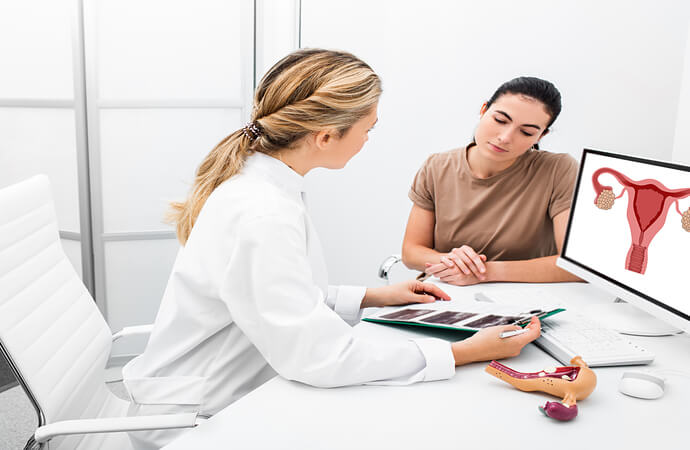
Fibroids are noncancerous growths that form in or near the womb (uterus). The growths vary in size and are made of muscle and fibrous tissue. They are also referred to as uterine myomas or leiomyomas.
Because there are no symptoms, many women are unaware they have fibroids.
The cause of uterine fibroids is unknown, though studies suggest a genetic component. There is no specific external exposure that can cause a woman to develop fibroids.
Fibroids become more common as women get older, especially in their 30s and 40s and up until menopause. Fibroids are much less likely to form after menopause and, if present, usually shrink.
Family history: Having a family member with fibroids raises your chances. If a woman's mother had fibroids, she is three times more likely to develop them herself.
Obesity: Overweight women are more likely to develop fibroids. The risk is two to three times higher in extremely obese women than in the general population.
The majority of women with fibroids will have no symptoms at all. Large or numerous fibroids, on the other hand, can cause the following symptoms:
Laparoscopy is a replacement for open surgeries. Laparoscopic gynaecologists at Aster employ the use of a laparoscopic tube to get a clear picture of the interior of one’s pelvic area.
This method is now being used extensively for gynaecological surgery, as well as other surgical departments. Diagnostic Laparoscopy helps identify some critical conditions such as endometriosis or fibroids. Aster Hospitals house some of the best gynaecologists in Dubai.
Compared to an open surgical method, Laparoscopy has a shorter healing time as it also leaves smaller residual scars. A surgeon may employ the use of a laparoscope to detect, diagnose, and treat several conditions.
About the daycare treatment
Expert Sandeep Burathoki
Non-Surgical daycare treatment
Uterine fibroid embolization is a minimally invasive alternative to hysterectomy or myomectomy. It is performed instead of major surgery. The procedure requires minimal or no hospital stay and a shorter recovery period. During the procedure, the blood supply to the fibroid tumours is blocked, making them shrink.
Uterine fibroid embolization is a very effective procedure with an approximate success rate of 85%.
Most individuals who undergo the procedure have a dramatic improvement in their symptoms and a decrease in the size of their uterine fibroids.
There are no restrictions after the procedure. It typically takes a week to 10 days to recover from embolization.
Some patients may want to recover overnight in the hospital to help control the pain with intravenous medication, many return home the day of the procedure.
The first cycle following the procedure will normally be heavier than usual. Breakthrough bleeding in between menstrual cycles is common in the first few weeks.
It typically takes three months for the benefits of the procedure to be appreciated.
Reach out to your physician if you have any questions or concerns in the days following the procedure.
Generally, there is no special preparation for UFE other than the following:
No solid food or beverages (other than water) for at least 6 hours before the procedure
You may drink water up to 2 hours before the procedure
Last updated: 30-07-2026