

Feeling unusually short of breath or becoming tired after simple everyday activities is not always a normal part of ageing. While these symptoms can have many causes, they may also indicate a problem with your heart. One possible…
Meniscus Repair Surgery
Meniscus injuries commonly impair knee stability, joint function, and mobility. These injuries do not always begin with severe pain. Many patients notice difficulty while bending the knee. Some feel a locking sensation. Others struggle with balance or stability. Our specialists and clinical team help patients identify the exact location and nature of a meniscus tear through early evaluation.
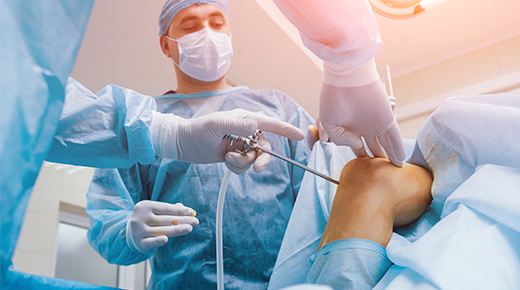
At Aster Hospitals, we offer meniscus repair as part of our arthroscopic knee care programme. This is a focused approach supported by imaging, surgical precision and rehabilitation. Every orthopaedic doctor in Dubai practising at our facilities evaluates each patient through a structured clinical assessment and imaging to determine the most appropriate treatment plan.
The meniscus is a C-shaped cartilage in the knee that acts as a stabiliser and shock absorber. It supports weight distribution and protects the joint from wear. When this structure is damaged, movement becomes strained, and balance may be affected.
Meniscus repair surgery is performed to repair the torn portion without removing cartilage. The surgery helps restore and reinstate joint stability and biomechanical function. Meniscus repair is recommended when the tear occurs in a vascularised region (red-red or red-white zone) where healing potential is higher.
The procedure of removing the tear on the meniscus where it is no longer possible to repair it is referred to as meniscectomy. In other instances, partial meniscectomy surgery is done in such a manner that what is salvageable is done. The distinction between meniscus repair and meniscectomy is the amount of tissue that is excised and the recovery. The procedure is typically performed under general or regional anaesthesia and takes 30–90 minutes.
The meniscus should be preserved as it lowers the risk of joint degeneration in the long run. If the cartilage is intact, patients have better knee cushioning and fewer complications as they age.
Every meniscus tear treatment begins with a clear understanding of the patient’s lifestyle, pain points and mobility needs. Whether you are dealing with a sports injury or an age-related tear, our team ensures coordinated and timely treatment.
Our clinical approach focuses on preserving the native knee whenever possible. That is why we first follow a meniscus-sparing approach. If removal becomes necessary, we explain what the meniscectomy procedure involves and how it supports future joint health.
Our hospitals use updated techniques and sterile arthroscopy suites to reduce trauma during surgery. We prepare our patients for recovery by planning physiotherapy steps even before the operation is scheduled.
Our process for meniscus tear repair surgery follows a step-by-step clinical pathway. This gives each patient clarity and confidence from the start.
Our meniscectomy surgery specialists begin by reviewing MRI scans, conducting a physical knee examination and studying the patient’s full medical history.
The surgical procedure is done under anaesthesia using two or three small incisions near the knee joint for camera and instrument access.
Our surgeons place sutures or absorbable anchors to rejoin the torn section of the meniscus without disturbing surrounding structures.
Minimal trimming is done if necessary. We focus on retaining meniscus tissue wherever the blood supply supports healing.
The skin is closed using sutures, and the surgical site is covered with a sterile dressing to avoid infection.
We prepare a recovery and physiotherapy plan before the patient leaves the hospital to ensure healing does not slow. Moreover, our surgeons continuously follow up with patients to ensure recovery is progressing as expected.
Meniscus tear repair surgery helps patients return to normal movement without exposing the knee to long-term wear and tear. Our doctors support every step with clinical care and monitored recovery.
Once the torn cartilage is repaired, pressure on the joint reduces, and daily movement becomes smoother.
Retaining the meniscus allows the knee to move with proper cushioning and shock absorption over time.
When the meniscus is preserved, the contact stress on bones reduces, which lowers the chance of joint degeneration.
Small incisions cause less trauma, which supports a quicker return to daily routines after surgery.
A structured physiotherapy plan enables patients to resume activity with greater awareness and control.
Every surgical procedure comes with certain risks. Our team at Aster Hospitals takes every step to prevent complications through early planning and sterile practices.
This may occur if proper dressing is not maintained. We use sterile techniques and educate patients on aftercare.
This can happen due to reduced movement. We recommend early mobilisation and monitoring for any signs of clotting.
Scar formation or delayed physiotherapy may cause stiffness. We work with rehabilitation teams to avoid this.
If the repair does not hold, a second surgery may be needed. We assess healing during follow-up visits.
As with any surgical procedure, an adverse reaction to anaesthesia may occur. Our anaesthesia team screens every patient beforehand.
Preparation ensures that recovery begins on the right note. We guide patients through every step, from evaluation to surgery-day instructions.
These are scheduled to confirm surgical suitability and reduce the risk of complications during the operation.
Certain medicines may interfere with healing. Our team advises what needs to be stopped and when.
These exercises prepare the joint for post-surgery movement and reduce muscle loss during rest.
The patient may need help reaching home and managing daily tasks for the first few days.
We treat recovery as part of the surgical journey. Our orthopaedic hospital in Dubai provides rehabilitation with the same level of care as surgery.
These tools reduce load on the joint and help protect the repaired meniscus during the first stage of healing.
Exercises are introduced in phases to rebuild muscle control and prevent joint stiffness.
Most patients return to desk work in a few weeks. High-impact activities such as running or competitive sports are typically resumed after 3–6 months based on healing progress.
These reviews help us adjust the recovery plan based on tissue healing and pain feedback.
| Week | Milestone |
| 1–2 | Pain control, rest, crutches or brace |
| 3–4 | Start of physiotherapy and assisted movement |
| 6–8 | Improved strength and stability |
| 10–12 | Return to low-impact daily tasks |
| 12+ | Clearance for sports or full activity |
We provide structured clinical care for patients undergoing meniscus surgery in Dubai. Our orthopaedic and clinical team performs the following procedures with utmost precision.
We have orthopaedic doctors in Dubai who are specially trained in repairing joints and have years of experience in arthroscopy.
We use sterile imaging and precision tools to achieve optimal tissue repair and tissue preservation.
Each patient is given a methodical scheme based on their age, lifestyle, and tear pattern.
Our service provides surgery, comprehensive rehabilitation, and pain management within a single hospital team.
Our specialists conduct regular follow-up calls and adjust treatment based on each patient's unique requirements and response.
The cost of meniscus tear repair surgery may vary depending on the tear pattern, surgical steps, and hospital stay. Our team provides cost clarity at every stage. Patients with insurance can speak to our billing support team for information on direct billing or reimbursement.
We also assist with claims for procedures such as meniscectomy surgery when required. For those without insurance, our staff helps with transparent estimates. Costs for meniscectomy and repair surgery are clearly shared before scheduling any procedure.
Meniscus repair surgery is a procedure to repair torn cartilage in the knee, restoring knee function and supporting joint stability. At Aster Hospitals Dubai, the procedure focuses on preserving the natural cartilage to support long-term knee health.
Meniscus repair surgery recovery typically depends on the severity of the tear, surgical technique, and adherence to a structured rehabilitation programme. Recovery can take up to three months, depending on the severity of the tear and healing response. Patients begin walking earlier, but full return to sports takes longer with guided therapy.
The procedure itself is performed under anaesthesia, so patients do not feel pain. Post-surgery discomfort is managed with rest, cold therapy and prescribed pain management.
Repair preserves the meniscus through stitches. Meniscectomy involves the partial removal of damaged tissue when repair is not possible.
Yes. Most patients can return to sports after complete healing and structured physiotherapy. Return to activity depends on knee strength, stability, and recovery progress, and is usually allowed after medical clearance from an orthopaedic specialist.
Last updated: 01-07-2026