


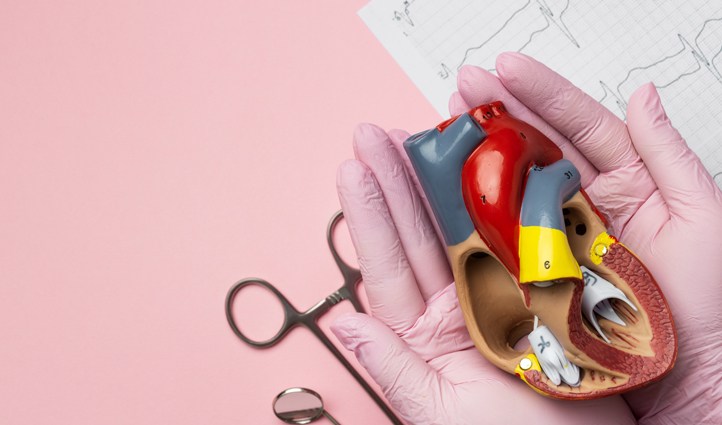
Heart valve repair preserves your natural valve, while heart valve replacement removes the damaged valve and replaces it with an artificial or biological valve. Doctors usually recommend repair whenever possible because it preserves natural heart function and reduces the need for lifelong medication. However, replacement becomes necessary when the valve is too severely damaged to repair.
Your cardiovascular specialist will recommend whether heart valve repair or replacement is appropriate for your condition. Understanding the difference between these two treatment options can help you make informed decisions about your heart health.
Understanding Your Heart's Valves
Your heart has four valves that open and close to keep blood flowing in the correct direction with every heartbeat. When one of these valves becomes narrow, stiff, or leaky, your heart has to work much harder to pump blood throughout your body. Over time, this extra strain can lead to symptoms such as shortness of breath, tiredness, or chest discomfort.
In many cases, heart valve repair can restore the damaged valve to normal function, allowing patients to keep their natural valve instead of replacing it with an artificial one.
How Doctors Detect Cardiac Problems
The diagnosis process usually involves combining information from your symptoms, physical examination, and imaging tests. An echocardiogram is the first line of defence. This ultrasound monitors how your muscles squeeze and pump in real time. It instantly shows if a valve is narrowed or leaking.
Depending on what they see, they might order a cardiac catheterisation to get a closer look before suggesting keyhole surgery for heart valve repair.
When Heart Valve Repair is the Answer
Not all valve problems behave the same way, and determining exactly what to do dictates how aggressively they need to be managed. If the valve is mostly healthy but just has a small leak or a floppy flap, surgeons will try to fix it.
They might reshape the tissue, patch a hole, or cut extra tissue to help it close tightly. Keeping your natural anatomy is always the goal, but sometimes the damage is too severe, making a complete heart valve replacement necessary.
When Replacement is Necessary
A replacement becomes the safest and most durable option when the original valve is heavily calcified, hardened by calcium deposits, or severely diseased. During this physical intervention, the surgeon removes the damaged valve and replaces it with a new one.
This new valve can be made from animal tissue or strong mechanical materials. Because this is a major procedure, patients need to plan carefully for recovery after a heart valve repair & replacement surgery in Dubai. You will spend several days in the hospital and need weeks of rest at home to heal.
Understanding the Risks
While modern medicine is incredibly advanced, there are still things to watch out for. Understanding the heart valve replacement surgery risks helps you make an informed choice. These include bleeding, infection, or the chance that the new mechanical valve will develop a blood clot. This is exactly why patients with new mechanical parts must take daily blood thinners to prevent dangerous clots from forming.
Timing in the Operating Room
Patients often wonder how long they will be asleep. The answer depends entirely on how complex the problem is. If you only need one valve fixed, the heart valve replacement surgery time might just be two or three hours.
However, if you need multiple valves addressed or if the surgeon has to bypass blocked arteries at the same time, the procedure can take much longer. Your medical team will keep you safe under heavy anaesthesia for the entire duration.
Heart Valve Repair vs Replacement: Why the Valve Matters
The treatment approach depends on which heart valve is affected. The mitral valve is on the left side of the heart, and it is very prone to leaking. When considering mitral valve repair vs replacement, doctors almost always advise repair.
Studies show that repairing the mitral valve leads to longer life and better heart function compared to replacing it entirely. However, the aortic valve is different. Because it often gets crusty with age, it usually requires a full swap.
Why Doctors Prefer Heart Valve Repair First
Preserving your natural valve is preferred whenever possible. There are many valve repair benefits that make it the top choice whenever possible. Repaired valves do not require lifelong blood thinners, which means you do not have to worry about bleeding easily from a simple cut.
Furthermore, you do not have to worry about the new valve wearing out over time, as your own fixed tissue tends to last much longer than biological replacements made from animal tissue.
Getting the Right Heart Care
Living with a heart valve issue requires a steady, expert hand guiding your care. Choosing whether to fix or swap a valve is a massive decision that affects the rest of your life. You need a highly skilled team that understands the delicate balance of your specific heart anatomy.
If you are in the UAE, working with the best cardiologist in Dubai at Aster Hospitals ensures you receive a tailored treatment plan. We combine advanced technology with a compassionate, patient-first approach.
Bottom Line
Valve disease is more than just a weird heartbeat; it is a serious structural issue that can weaken your heart muscle over time if left untreated. Early diagnosis and the right surgical treatment can help restore healthy blood flow and improve heart function.
Whether you need heart valve repair or heart valve replacement, do not delay seeking medical care, as early treatment can reduce the risk of complications. By choosing any of the leading cardiology hospitals in Dubai, you will gain immediate access to advanced facilities fully equipped to handle complex cases safely.
Frequently Asked Questions
Is fixing a valve better than replacing it?
Yes, whenever it is possible. Keeping your natural tissue is always the preferred route because it lasts longer and does not require strong blood thinners every single day for the rest of your life.
Can heart valve problems be treated without surgery?
In the early stages, medications may help manage symptoms, but they cannot repair or replace a damaged heart valve. If the valve becomes severely narrowed or leaky, your cardiologist may recommend heart valve repair or replacement to restore normal blood flow and protect your heart.
Can a repaired heart valve fail again?
Yes, although many repaired valves function well for years. Regular follow-up appointments and echocardiograms help your cardiologist monitor the repaired valve and detect any changes early before they cause symptoms.
Will I need lifelong medication after heart valve surgery?
It depends on the type of procedure and valve used. Patients with mechanical valves usually need lifelong blood thinners, while those with repaired or biological valves may require different medications based on their overall heart condition.
When should I consult a cardiologist for heart valve disease?
You should consult a cardiologist if you experience persistent shortness of breath, chest discomfort, dizziness, fainting, or a heart murmur. Early diagnosis can help identify valve problems and determine whether heart valve repair or replacement is needed.