


Getting a heart stent is an important step towards restoring healthy blood flow to your heart, but your recovery does not end with the procedure. The care you take in the days, weeks, and months that follow plays a big role in protecting your heart and reducing the risk of future complications.
Knowing the right precautions after heart stent placement, understanding what to expect during recovery, and making healthy lifestyle changes can help you heal well and get back to your daily routine with greater confidence.
What a Stent Actually Does
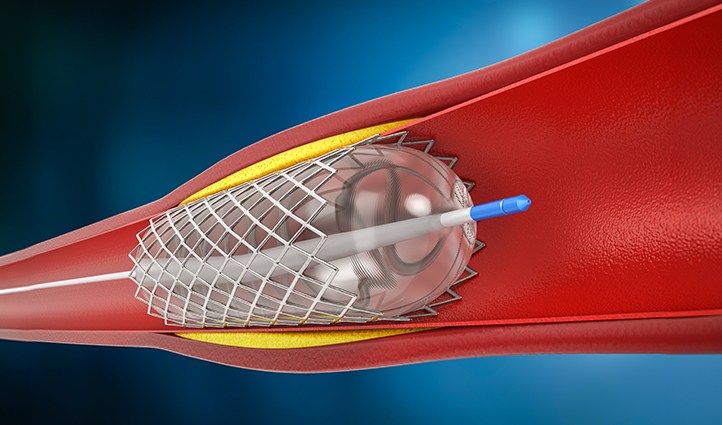
A heart stent is a small mesh tube placed inside a narrowed or blocked artery. This helps to keep it open and restore healthy blood flow to your heart. This helps to relieve symptoms such as chest pain and reduces the risk of further heart-related complications. While the procedure improves blood flow, it does not heal the underlying heart disease.
That is why accurate post-procedure care is so important. Taking your medications as prescribed, attending follow-up appointments, and adopting heart-healthy habits can help your stent work effectively and protect your heart in the long run.
Adjusting to Life After the Procedure
When you are released from the hospital, you might feel relieved but also a little anxious about moving around. Life after heart stent placement requires a balance between resting enough to heal and moving enough to recover. You will likely have a small bandage where the doctor inserted the catheter, usually in your wrist or groin.
It is incredibly important to keep this area clean and dry to prevent infection. The site may be slightly sore or bruised for a few days, which is normal. Contact your doctor if you notice excessive bleeding, increasing swelling, severe pain, redness, or signs of infection. You should avoid heavy lifting, vigorous exercise, or driving for at least a week. Your doctor will give you specific timelines based on your own body's needs.
Navigating the Healing Timeline
The initial recovery after heart stent placement is usually quite fast because the procedure is minimally invasive compared to open-heart surgery. Most patients return to normal daily activities, like walking around the house or doing light office work, within 2-5 days. However, internal healing takes a bit longer. The artery needs time to grow a smooth lining over the metal mesh.
During this crucial period, you must pay close attention to any strange symptoms. If you are in the UAE and notice severe bruising or signs of infection at the puncture site, contact a healthcare facility for interventional cardiology treatment in Dubai immediately.
Understanding Your Medications
One of the most important things to know about what to do after stent placement is to take your medications exactly as prescribed. Your doctor will put you on blood thinners, like aspirin and a second antiplatelet drug. These pills are absolutely non-negotiable. They prevent dangerous blood clots from forming inside the new metal mesh, which could cause a sudden heart attack.
Never skip a dose or stop taking these medications just because you feel fine. Keeping your stent open requires strict, daily medical management.
Practical Heart Stent Recovery Tips
As you ease back into your normal routine, there are some practical tips for heart stent recovery to follow. Drink plenty of water to help flush the contrast dye out of your system after leaving the hospital.
Avoid taking hot baths, using hot tubs, or swimming until your insertion site is completely healed. When you sleep, try to stay on your back or the opposite side of where the catheter was inserted to avoid putting pressure on the wound. If you feel chest discomfort, take your prescribed nitroglycerin as directed right away.
Rebuilding Your Health for the Future
Figuring out how to live healthy after a stent means committing to protecting your remaining blood vessels. A stent restores blood flow through a blocked artery, but keeping your heart healthy requires long-term lifestyle changes.
If you smoke, quitting is one of the best things you can do for your heart, as smoking increases the risk of new blockages. Eating a heart-healthy diet rich in vegetables, fruits, whole grains, lean proteins, and healthy fats while limiting processed and high-fat foods can also help protect your arteries and support your recovery.
Making Permanent Lifestyle Changes
Committing to lifestyle changes after heart stent placement is within your control. Move smartly by building up your physical activity slowly. You need exercise to strengthen your heart muscle, but you must clear it with your doctor first. Start with short, gentle walks and gradually increase your pace as your stamina returns.
Manage the silent forces wearing down your arteries by keeping your blood pressure, cholesterol, and blood sugar tightly controlled. Stress management is also crucial, as severe stress puts unnecessary strain on your healing heart.
Getting the Right Heart Care
Living with a stent requires a steady, expert hand guiding your ongoing care. In the UAE, visiting the best cardiologist in Dubai at Aster Hospitals ensures you are getting a treatment plan tailored to your specific needs.
At Aster Hospitals, we combine advanced technology with a compassionate, patient-first approach. By bringing together top-tier medical care, we strive to be the best cardiology hospital in Dubai for your long-term health.
Bottom Line
If your cardiac surgeon administers angioplasty & stent placement in Dubai to clear your heart blockage, you must follow the instructions lifelong, even after complete recovery. Getting a stent is a lifesaving procedure, but it is not a magical cure for heart disease. The mesh holds one artery open, but your habits determine the health of your cardiovascular system.
With the right medications and dedicated lifestyle changes, you can live a long, active life. If you notice recurring chest pain or unusual fatigue, do not delay seeking medical care to be on the safe side.
Frequently Asked Questions (FAQs)
How long does the stent last?
The stent is a permanent metal tube that remains in your artery. However, it can become clogged again if you do not take your blood thinners or if you smoke. Keeping it open requires lifelong care.
Can I drink alcohol after getting a stent?
You should be very careful with alcohol. Drinking too much alcohol can raise your blood pressure and interfere with your medications. It is best to ask your doctor if a small amount is safe for your specific situation.
Will I need another stent in the future?
It is possible. A stent only fixes one specific blockage. If your underlying heart disease progresses because of a poor diet or lack of exercise, other arteries can become blocked and might require additional stents later on. If a stent becomes blocked, another angioplasty may be performed, and an additional stent may be deployed.
When can I return to work after stent placement?
Most people with desk jobs can return to work within a week after stent placement. If your job involves heavy lifting or moderate to heavy physical labour, you may need to wait a few weeks.
Can I exercise after getting a heart stent?
Yes. Mild activities such as walking are usually encouraged soon after the procedure. Your doctor will suggest when you can safely return to more vigorous exercise.
How long do I need to take medicines after a heart stent?
Most patients need blood-thinning medications for several months or longer, depending on the type of stent and their medical condition. Never stop them without consulting your doctor.
Can a heart stent become blocked again?
Yes. Although uncommon, a stent can narrow or become blocked over time. Taking prescribed medications and following healthy lifestyle habits significantly lowers this risk.