


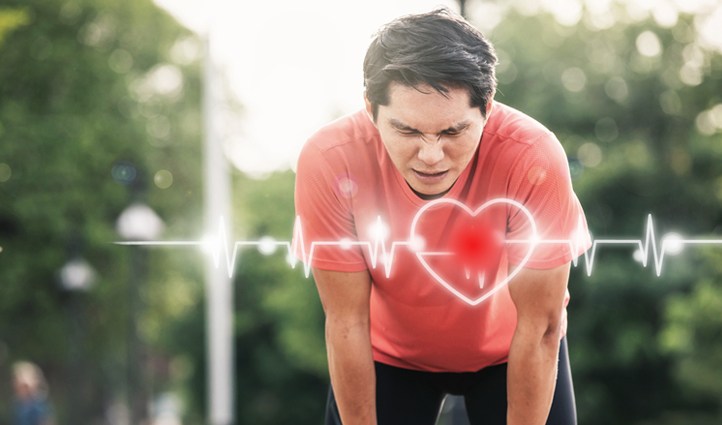
When it comes to heart health, ignoring warning signs is a gamble you simply should not take. That sudden collapse could be a cardiac arrest, i.e., your heart stopping without prior warning. Understanding what this means, why it happens, and what to do next is the strongest defence you have against serious trouble. In this article, let us understand the mechanics so you can take control before a crisis hits.
Although cardiac arrest often occurs without warning, recognising the symptoms early and responding immediately can significantly improve the chances of survival. Understanding its causes, risk factors, and available treatment options is essential for protecting your heart and reducing the risk of future emergencies.
What is Cardiac Arrest?
Cardiac arrest is not a disease but a sudden medical emergency that occurs when the heart unexpectedly stops pumping blood effectively. It occurs due to a serious disruption in the heart's electrical system. Think of your heart as a high-performance engine with a complex wiring system. It needs a steady, uninterrupted electrical spark to keep pumping blood. When that system short-circuits, the heart quivers and stops pumping blood. Understanding cardiac arrest causes is vital because they usually stem from existing, undiagnosed heart conditions.
Recognising the Symptoms
These electrical faults often start in the heart's lower chambers. When the pumping action stops, blood no longer reaches the brain and other vital organs. Recognising the problem early is the only way to overcome it. Chest pain is not always present beforehand, but sudden cardiac arrest symptoms usually strike without any prior notice.
Sudden Cardiac Arrest Signs
People often expect a dramatic clutching of the chest, but the reality is much more sudden. The discomfort is not a slow buildup; it is an instant, devastating collapse that happens in seconds. The most obvious and terrifying of the recognised sudden cardiac arrest signs include a sudden loss of consciousness and absolutely no pulse.
What to Do: Immediate Action
Cardiac arrest is a medical emergency where every second can make a life-saving difference. The brain begins to fail within minutes without oxygen. If someone collapses in front of you, calling for an ambulance is the very first step. The next crucial and life-saving step is to start CPR for cardiac arrest immediately. Pushing hard and fast on the centre of the chest keeps blood flowing to the brain until paramedics arrive.
Understanding the Risk Factors
But why exactly does the heart's electrical system fail in the first place? The main physical drivers are usually severe coronary artery disease, a previous heart attack that severely scarred the heart tissue, or an abnormally enlarged and weakened heart muscle. Taking the time to understand your personal cardiac arrest risk factors is essential.
Getting the Right Heart Care
High blood pressure, smoking, obesity, and a family history of dangerous heart rhythm issues also play a massive role in wearing down your heart over time. If you suspect your heart is struggling, do not wait. Booking an appointment with an expert cardiologist in Dubai can save your life before an emergency strikes.
They will recommend an electrocardiogram (ECG) to accurately monitor the heart's complex electrical pathways and check for any arrhythmias. Comprehensive blood tests and an echocardiogram will clearly show whether there is any underlying, dangerous structural damage. Getting this vital care at a highly specialised, leading cardiology hospital in Dubai ensures you receive a precise diagnosis and a robust treatment plan.
How to Prevent It
If you have a family history of heart disease, preventing a sudden cardiac arrest is entirely within your control. It comes down to protecting your heart's wiring:
- Ditch the cigarettes: Smoking actively damages the lining of your blood vessels and accelerates plaque buildup, which triggers electrical faults.
- Keep your arteries healthy: Swap processed, greasy, and sugary foods for a diet heavy on vegetables, whole grains, and healthy fats.
- Move actively: You need exercise to keep your heart strong, but you must check with your doctor first if you feel dizzy or breathless.
- Manage the numbers: Keep your blood pressure, cholesterol, and blood sugar tightly controlled. These are the silent forces wearing down your arteries.
At Aster Hospitals, we combine the latest diagnostic technology with a compassionate, patient-first approach. Our goal is to help you manage your heart health so effectively that you never have to fear a sudden attack. Do not ignore your body's warning signs. Early detection and the right treatment make all the difference.
The Bottom Line
Cardiac arrest is a life-threatening medical emergency that requires immediate recognition and prompt action. Understanding the warning signs, risk factors, and the importance of early diagnosis can make a critical difference in improving survival and long-term heart health.
If you experience symptoms or have concerns about your cardiac health, seeking a timely medical evaluation is essential. At Aster Hospitals Dubai, our experienced cardiologists provide comprehensive cardiac care using advanced diagnostic technology and personalised treatment plans to help detect heart conditions early and deliver the right care when it matters most.
Frequently Asked Questions (FAQs)
Is a cardiac arrest the same as a heart attack?
No. A heart attack is a plumbing problem where an artery is blocked, starving the heart of blood. Cardiac arrest is an electrical problem in which the heart's wiring short-circuits, causing it to stop beating. However, a severe heart attack can trigger a cardiac arrest.
Can you survive a sudden cardiac arrest?
Yes, but only with immediate action. Survival rates drop sharply with every minute that passes without CPR and the use of a defibrillator. This occurrence is why bystanders performing chest compressions are so incredibly vital.
Can a healthy person have a cardiac arrest?
While it is rare, it can happen. Sometimes, a severe blunt blow to the chest can trigger an electrical fault. However, most cases happen in people with underlying, often undiagnosed, heart conditions that could be managed if caught earlier.
Does the heart stop completely during cardiac arrest?
Yes, the heart stops pumping effectively. Instead of squeezing blood into the body, the lower chambers just quiver or twitch uselessly. This condition is called ventricular fibrillation, and it means no blood is reaching your brain or organs.