

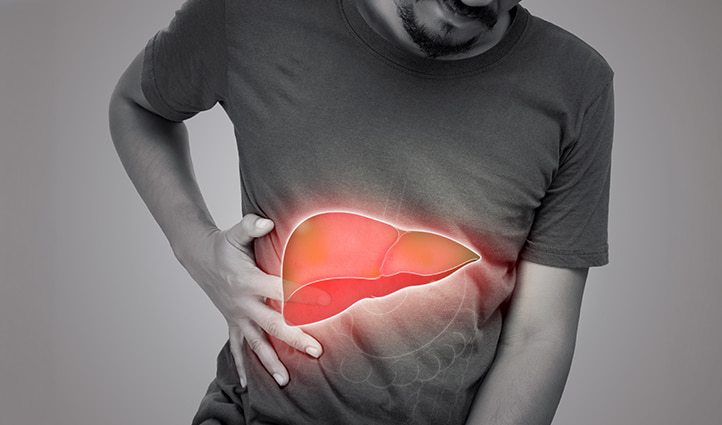
A fatty liver can be alarming and serve as a wake-up call for overall health. Your liver is one of the most forgiving organs in your body, and if you detect this early, you can absolutely mitigate the condition. The problem is that most people have no idea their liver is in trouble until the damage occurs.
In this article, we go over the progression of a fatty liver, why it occurs, and the practical steps you can take to reverse it before it becomes a serious issue.
What is Fatty Liver Disease?
Your liver is your body's ultimate detox system. It processes nutrients, filters toxins, and helps digest your food. Having a little bit of fat in your liver is completely normal. But when fat accumulates to more than 5% to 10% of your liver's weight, that is when it crosses the line into fatty liver disease.
When understanding fatty liver disease, it helps to know there are two main types. There is Alcoholic Fatty Liver Disease, which is exactly what it sounds like: fat building up due to heavy drinking. Non-Alcoholic Fatty Liver Disease (NAFLD) occurs without the influence of alcohol on the liver. NAFLD is increasingly becoming common, affecting millions of people worldwide.
Fatty Liver Disease Causes: Why Does It Happen?
So, why does your body decide to store fat in your liver? The answer usually comes down to how your body processes sugar and insulin.
The cause of fatty liver disease is insulin resistance. If your diet is high in processed foods, refined carbohydrates, and sugary drinks, your body produces a lot of insulin to handle the resulting blood sugar spikes. Gradually, the amount of insulin you need to sustain sugar processing keeps rising. Consequently, as sugar cannot enter your cells, your body converts it into fat and sends it to your liver for storage.
Fatty Liver Disease Symptoms
One of the biggest hassles with fatty liver disease is that there usually are no symptoms. For most people, fatty liver disease is a completely silent condition. You can have it for years and feel absolutely fine.
However, as the fat builds up and the liver starts to struggle, you might start noticing vague fatty liver disease symptoms.
- You might feel a dull, aching pain or a feeling of fullness in the upper right side of your belly, right under your ribcage.
- You might feel constantly exhausted, even after a full night's sleep, because your liver is working overtime.
- Some people also experience unexplained weight gain, brain fog, or dark patches of skin around their neck or armpits as a sign of insulin resistance.
Fatty Liver Disease Diagnosis
Because you cannot feel it, finding out you have a fatty liver usually happens by coincidence. A routine blood test might show elevated liver enzymes, prompting your doctor to dig deeper.
To diagnose this liver condition, doctors have a few tools at their disposal. They will look at your blood work and ask about your lifestyle. They will likely recommend an ultrasound, which is very good at showing the brightness and texture of a fatty liver. In some cases, they might use a FibroScan, a specialised ultrasound that measures how stiff your liver is, helping them determine whether there is any scarring. Only in rare cases do they need to do a biopsy, where a tiny sample of liver tissue is tested.
How to Reverse Non-alcoholic Fatty Liver Disease
The liver can regenerate itself, and if you take the pressure off it, it can heal and replace the damaged tissue with healthy cells. However, to reverse non alcoholic fatty liver disease, patients should maintain consistent, daily lifestyle changes.
Cut the Liquid Sugar
If you can only manage one change, prioritise this. Stop drinking sugary sodas, processed fruit juices, and energy drinks. Fructose, the sugar found in these drinks, is processed directly by the liver and is one of the most prominent contributors to liver fat buildup. Swap them for water, black coffee, or herbal tea.
Eat Real, Whole Foods
The rule of thumb: focus on foods that do not come in a box. Fill your plate with healthy proteins like fish and better fat alternatives like olive oil. The Mediterranean diet is heavily recommended for liver health because it is naturally anti-inflammatory and low in the refined carbs that cause insulin spikes.
Move Your Body
You do not need to live at the gym, but you do need to move. Cardiovascular exercises like walking, cycling, or swimming and strength training help your muscles use up blood sugar, which improves insulin sensitivity. When your insulin sensitivity improves, your body stops pumping fat into your liver.
Lose Weight Gradually
Reducing your body weight over time can reduce liver fat and inflammation. However, rapid weight loss can worsen fatty liver by flooding your system with released fat.
Is There a Fatty Liver Disease Cure?
People always enquire about a fatty liver disease cure, and the fact of the matter is that there is no specific medication that cures it yet. The cure is your lifestyle. If you stick with a healthy lifestyle, the fat can completely leave your liver, and the inflammation can subside.
When to Visit the Experts
Making lifestyle changes can be hard, and sometimes, these changes alone are not enough. If your liver enzymes remain elevated, or if you are struggling to lose weight and get your blood sugar under control, it is time to consult a specialist.
Seeing a hepatology doctor in Dubai means you are working with someone whose primary focus is liver health. They can assess the extent of the damage, rule out other liver conditions, and provide a highly curated plan.
For more advanced cases, getting treatment at a specialised hepatology hospital in Dubai ensures you have access to the latest clinical trials, advanced FibroScan technology, and a multidisciplinary team that includes dietitians and endocrinologists to help you tackle the root causes.
FAQs
How long does it take to reverse a fatty liver?
If you strictly follow dietary changes and exercise, you can start seeing a reduction in liver fat in as early as six months to a year. The liver is incredibly resilient, provided the damage has not progressed to severe cirrhosis.
Can you drink alcohol if you have a fatty liver?
If you have Alcoholic Fatty Liver Disease, you must stop drinking entirely. If you have NAFLD, avoid alcohol or limit it drastically, as it puts additional stress on an already struggling liver.
Is fatty liver disease life-threatening?
On its own, simple fatty liver is not usually life-threatening. However, if it is ignored and progresses to non-alcoholic steatohepatitis (inflammation) and/or cirrhosis (severe scarring), it can lead to severe conditions like liver failure or liver cancer.
What foods are worst for a fatty liver in Dubai?
The absolute worst foods for a fatty liver are those high in added sugars, refined carbohydrates, fried foods, and processed meats. All of these contribute to insulin resistance and fat storage in the liver.