

With age, you may notice a deep line between your eyebrows that changes your default expression, or that your cheeks do not seem as full as they used to be. It is completely natural to want a rejuvenated look. However, the idea of going under the knife can be very daunting.
However, you do not always need surgery to see a massive difference. Non-surgical cosmetic procedures have completely changed this paradigm, offering real, visible results with little to no downtime. With so many viable options out there, though, how do you know which one is actually right for you? Let's explore the common noninvasive procedures, i.e., Botox, fillers, and lasers, to understand the features of each one.
The Significant Shift Towards Non-Surgical Cosmetic Treatments
Today, non-surgical cosmetic treatments are the go-to option for many people. These are in-clinic procedures, often done in under an hour, and you can usually walk right back out and get on with your day. They are highly effective, much more affordable than surgery, and, best of all, temporary.
Want a different look post-procedure? Your body will eventually metabolise the injected product, and your face will return to its original appearance. It is the ultimate low-commitment, entry-level option for the world of aesthetic medicine.
Non-Surgical vs Surgical Options: Knowing the Difference
Understanding the distinction between non-surgical and surgical options is the first step in figuring out your ideal course of action.
Non-invasive treatments can effectively soften fine lines, restore facial fullness, and enhance overall skin texture. They can have an anti-ageing effect on your face, but they cannot reposition muscles or remove large amounts of loose skin.
Surgical treatments, on the other hand, are for structural changes. If you have skin sagging around your jawline, heavy hooded eyelids, or a neck that has lost definition, a simple cream or an injection will not fix it. It requires surgery to lift and remove the excess tissue physically.
Common Non-Surgical Treatments
Here is a concise guide to the most common non-surgical treatments available today.
Botox: The Wrinkle Relaxer
Contrary to popular belief, Botox does not ‘freeze’ your face. When done correctly, it simply relaxes the muscles that are pulling your skin into deep creases and wrinkles.
When to Choose Botox?
If you notice pronounced frown lines between the eyebrows, crow's feet around the eyes, or forehead lines that appear when raising your brows, Botox can help reduce their prominence. It is also used preventively in younger patients to stop those lines from etching into the skin permanently.
Dermal Fillers: The Volume Restorer
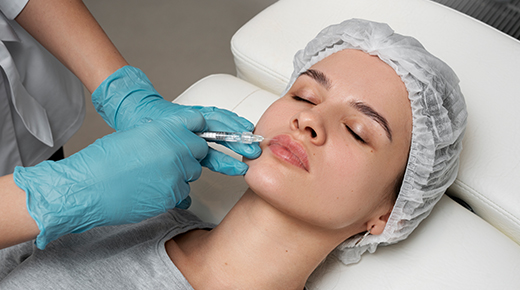
While Botox handles the movement, dermal fillers handle the volume. Most fillers consist of hyaluronic acid. It naturally exists in your body and holds onto water like a sponge. With age, we lose bone mass, fat pads shrink, and the face starts to look a bit hollow and drawn. Fillers replace that lost ‘cushion’.
When to Choose Fillers?
If your cheeks look flat, the area under your eyes looks sunken, or you have lines in the nose and mouth area(nasolabial folds), you can benefit from fillers. They are also fantastic for adding subtle fullness to naturally thin lips or fixing a slightly asymmetrical jawline.
Remember, Botox prevents the muscle from creasing the skin, while fillers physically plump up areas that have lost natural volume.
Laser Treatments: The Resurfacer
Laser treatments help restore the natural texture and tone of your skin. It uses focused light energy to remove damaged superficial skin or warm the deeper layers to encourage fresh collagen production.
When to Choose Laser Treatments?
If you are battling sun spots, redness, acne scars, or a generally dull, rough complexion, lasers are the way to go. They tighten pores, smooth out uneven texture, and give you that genuine "lit from within" glow. Laser resurfacing will make a significant difference compared to any injection.
Finding the Right Cosmetic Physicians
The most important part of any cosmetic journey is not the product. It is the person holding the syringe or the laser. You need an expert who understands the deep anatomy of the face. When looking into plastic surgery in Dubai, make sure you choose a clinic that prioritises natural, harmonious results over a quick sale.
A board-certified plastic surgeon in Dubai is the safest choice for injectables and lasers, because they have a surgeon's deep understanding of facial anatomy. They know exactly where to place a filler to support the tissue, and they can honestly tell you whether an injection will give you the result you want, or if surgery is the only way to fix your concern truly.
Do not let trends dictate what you do to your face. Take the time to sit down with a qualified professional at Aster Hospitals, Dubai, discuss your goals, and create a plan that suits your unique needs and helps you feel like the most confident version of yourself.
FAQs
How long do non-surgical results actually last?
It depends on the treatment. Botox usually lasts around three to four months. Hyaluronic acid fillers typically last between six and eighteen months. Laser results can last years, but they depend on how well you protect your skin from the sun afterwards.
Do non-surgical cosmetic procedures hurt?
There is some discomfort, but it is manageable. Botox feels like tiny, quick pinches. Most modern fillers contain a local anaesthetic to numb the area during injection. Lasers can feel like a hot rubber band snapping against the skin, but topical numbing cream is applied beforehand to keep you comfortable.
Is there any downtime with non-surgical cosmetic treatments in Dubai?
One of the best things about non-surgical procedures is the minimal downtime. You might have slight redness, swelling, or tiny bruise marks for a day or two after injections, but you can usually cover them with makeup and go right back to work. Some laser treatments require no downtime, while deeper resurfacing lasers might need a week of healing at home.
Can I get Botox, fillers, and a laser all on the same day?
In most cases, yes. Many cosmetic physicians will combine treatments to give you a full "liquid facelift" effect. However, it really depends on the specific lasers used and your skin's tolerance levels. Your doctor will tell you what can be done safely in one session and what procedures need intervals.