

Feeling unusually short of breath or becoming tired after simple everyday activities is not always a normal part of ageing. While these symptoms can have many causes, they may also indicate a problem with your heart. One possible…
Facial Fractures
Facial fractures are a serious condition of the face that involves breaks in the bones of the face, such as the mandible (lower jaw), zygoma (cheekbone), nasal bones, or the orbital walls surrounding the eyes. These injuries typically result from high-impact events like road accidents, falls, or sports-related collisions. At Aster Hospitals, we prioritise restoring the patient’s facial structure and ensuring vital functions like breathing, vision, and chewing are protected.
It is assumed that all facial fractures require surgery to overcome the issue. Surprisingly, not every facial bone fracture requires an operation. If a fracture is undisplaced, meaning the bone has cracked but stayed in its proper position, surgeons often recommend conservative management. This involves a soft diet, pain relief, and regular monitoring to ensure the bone heals naturally.
However, when this injury affects the alignment of the teeth, which obstructs the airway or threatens vision, then facial fracture surgery becomes necessary. Surgeons use titanium miniplates and screws to fix bone fragments internally. To ensure the best aesthetic outcome, incisions are usually placed in discreet areas, such as inside the mouth or along the hairline, to hide any potential scarring.
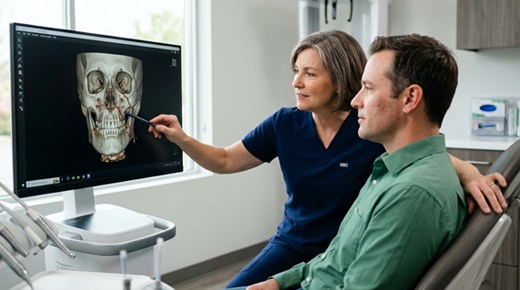
In Dubai, medical teams treat facial trauma as a time-sensitive emergency. The first step is always to stabilise the patient by clearing the airway and controlling any bleeding. Once the patient is stable, doctors use detailed CT scans to plan the reconstruction.
Facial fracture treatment is rarely handled by just one person. For instance, if an eye socket is damaged, a maxillofacial surgeon will work closely with an ophthalmologist to prevent long-term issues like double vision. Surgery is typically scheduled within 7 to 14 days; this allows initial swelling to go down while ensuring the repair happens before the bones begin to set in the wrong position.
Recovering from a facial injury requires more than just a successful operation. At Aster Hospitals, we provide a comprehensive environment designed for complex reconstructive facial surgery in Dubai.
Finding the best doctor for a facial fracture in Dubai means looking for a specialist who understands both the mechanics of the jaw and the delicate nature of facial aesthetics.
Our maxillofacial unit is operated by highly experienced consultants with specialisation in both trauma and elective reconstructive work. And by choosing Aster Hospitals, you gain access to the expertise of the best maxillofacial surgeon in Dubai, backed by a hospital infrastructure that supports advanced 3D surgical planning and long-term rehabilitation. Whether you require urgent repair or a secondary reconstructive procedure, our team is focused on returning you to full health with minimal downtime.
Nasal bone fractures occur most often in several cases due to the prominence and fragility of the bridge of the nose. Because the nasal bones are thin, they are highly susceptible to impact from various angles.
Recovery from a facial fracture requires rest with a soft diet, prescribed pain relief, and follow-up imaging to confirm stable bone healing. Staying hydrated and avoiding strenuous physical activity helps the body focus its energy on tissue repair.
Orbital and skull base fractures carry real risks to vision and neurological function if not treated promptly. At Aster Hospitals, we handle such situations with intensive care and proper expertise.
The types of facial fractures are nasal, orbital, mandibular, zygomatic, maxillary, Le Fort patterns, and frontal sinus injuries. It sometimes involves multiple bones simultaneously, which need immediate attention and care.
Yes, stable and undisplaced facial fractures often heal even without surgery by following these: rest, monitoring, soft diet, and regular clinical follow-up care.
Last updated: 07-07-2026