

Feeling unusually short of breath or becoming tired after simple everyday activities is not always a normal part of ageing. While these symptoms can have many causes, they may also indicate a problem with your heart. One possible…
Sleep Apnea Treatment
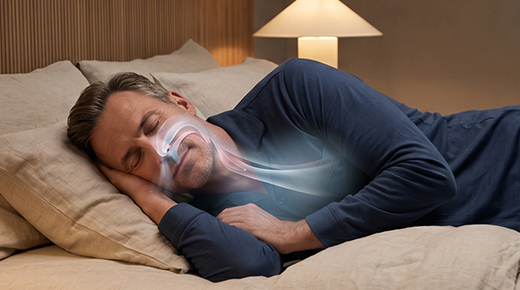
Sleep apnoea constitutes a serious sleep disorder where breathing repeatedly stops and starts during the night. This condition affects a significant demographic in the UAE, often going undiagnosed due to a lack of awareness. At Aster Hospitals, we bridge this gap by offering specialised ENT and pulmonology care. Our facility employs advanced diagnostic tools to detect sleep-disordered breathing, ensuring patients receive tailored therapeutic interventions. We prioritise restoring sleep architecture and mitigating the long-term cardiovascular risks associated with untreated apnoea.
Sleep apnea syndrome encompasses three primary distinct forms.
Obstructive Sleep Apnea (OSA): The most prevalent form, occurring when throat muscles relax and collapse, physically blocking the airway.
Central Sleep Apnea: A neurological condition where the brain fails to transmit appropriate signals to the muscles that control breathing.
Mixed Sleep Apnea: A complex combination of both obstructive and central components.
Common Signs of Sleep Apnea
Patients often present with a constellation of symptoms that disrupt both sleep quality and daily function. Key indicators include:
Ignoring sleep apnoea invites severe systemic comorbidities. The intermittent hypoxia experienced during apnoeic events places significant strain on the cardiovascular system. Untreated patients face a heightened risk of heart disease, stroke, and high blood pressure. Furthermore, the metabolic stress increases the propensity for Type 2 diabetes. Chronic sleep deprivation also leads to reduced energy levels and profound mood changes, severely impacting the patient's quality of life.
Accurate diagnosis is the cornerstone of effective sleep apnea treatment. As a leading sleep apnea specialist centre, we utilise comprehensive diagnostic modalities.
Sleep Study (Polysomnography): We conduct overnight monitoring in our state-of-the-art sleep labs to record brain activity, oxygen levels, and respiratory effort.
Home Sleep Test: For suitable candidates, we offer portable monitoring devices to assess sleep patterns in the comfort of their home.
ENT Airway Evaluation: Our specialists examine the upper airway for anatomical obstructions.
Nasal Endoscopy: We use flexible scopes to visualise nasal passages and the nasopharynx.
Pulmonary Assessment: We evaluate lung function to rule out concurrent respiratory conditions.
We customise sleep apnea treatment options based on the severity of the condition and the patient's anatomy.
Continuous Positive Airway Pressure (CPAP): The gold standard treatment, delivering pressurised air to keep the airway open.
Oral Appliance Therapy: Mandibular advancement devices that reposition the jaw to prevent airway collapse.
Surgical Treatment: We recommend surgery for anatomical obstruction. Procedures include:
UPPP (Uvulopalatopharyngoplasty): Removing excess tissue from the soft palate and throat.
Nasal Surgery: Correcting a deviated septum or reducing turbinate size.
Tonsillectomy: Removing enlarged tonsils obstructing the airway.
Weight Management: Medical and nutritional support to reduce fatty deposits around the neck.
Positional Therapy: Devices that encourage side-sleeping to prevent supine obstruction.
Lifestyle Changes: Cessation of smoking and alcohol moderation to improve muscle tone.
Obstructive sleep apnea treatment requires a synergistic approach involving both ENT surgeons and sleep physicians. We address the structural causes of obstruction while managing the physiological effects of the syndrome. This multidisciplinary strategy ensures that patients receive comprehensive care, whether they require non-invasive pressure therapy or a sleep apnea operation to clear the airway. We provide specialised obstructive sleep apnea treatment in Dubai, adhering to international clinical guidelines.
Patients should consult the best sleep apnea doctor if snoring disrupts their partner's sleep or if they experience debilitating daytime sleepiness. Individuals diagnosed with OSA whose symptoms persist despite treatment, or those noticing worsening conditions, require immediate specialist review.
The journey to better sleep involves a structured clinical pathway:
Consultation: Detailed history taking and physical examination.
Sleep Study: Diagnostic testing to determine the Apnea-Hypopnea Index (AHI).
Plan Choice: Selection of the most appropriate therapeutic intervention.
Follow-up Schedule: Regular monitoring to ensure treatment efficacy.
CPAP/Device Adjustment: Titration studies to optimise pressure settings for comfort and effectiveness.
Aster Hospitals is widely regarded as the Best ENT hospital in Dubai, offering unparalleled expertise in sleep medicine. Our team includes the best sleep apnea doctors, comprising skilled ENT surgeons and pulmonologists. We feature advanced sleep labs and convenient home sleep study options. Patients trust us for our long-term follow-up protocols and our commitment to patient education. We serve the community across multiple locations in Dubai, including Mankhool, Al Qusais, Jebel Ali, and Muhaisnah.
Our specialists are leaders in the field of sleep medicine. They bring extensive experience in managing complex sleep disorders, ensuring that every patient achieves restorative sleep and improved health outcomes.
While OSA is a chronic condition, effective management—including weight loss and surgery—can resolve symptoms in many cases.
Surgery is reserved for patients who cannot tolerate CPAP or who have specific anatomical defects; your specialist will advise the best course.
Modern CPAP machines offer adjustable pressure and humidification; most patients adapt quickly and experience significant symptom relief.
Alternatives include oral appliances, positional therapy, and surgical interventions, depending on the severity of the condition.
Yes, paediatric sleep apnoea often stems from enlarged tonsils or adenoids and is frequently treatable with surgery.
Last updated: 01-07-2026