

Heart valve repair preserves your natural valve, while heart valve replacement removes the damaged valve and replaces it with an artificial or biological valve. Doctors usually recommend repair whenever possible because it…
Preeclampsia
At Aster Hospitals, we provide structured clinical care for mothers and babies, including specialised management of preeclampsia during pregnancy. Our obstetric teams follow evidence-based protocols to identify preeclampsia symptoms, monitor maternal blood pressure, and provide timely preeclampsia treatment to protect both mother and baby.
Preeclampsia can develop without obvious early warning signs, which is why regular prenatal monitoring is essential. Effective preeclampsia management requires early diagnosis, continuous maternal monitoring, and carefully planned treatment strategies. Our obstetric specialists follow international maternal-fetal medicine guidelines to ensure safe monitoring and treatment of preeclampsia during pregnancy. We are focused on the early detection of high-risk signs and the safety of both the mother and baby through safe and hospital-based planning.
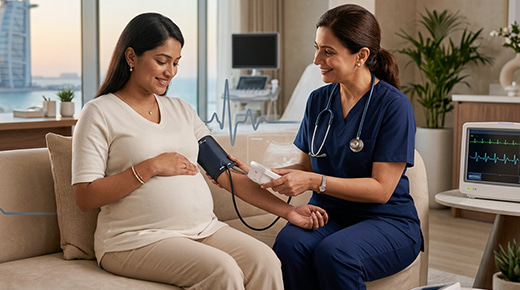
We offer comprehensive preeclampsia treatment, including routine prenatal check-ups, blood pressure management, delivery planning, and monitoring for postpartum preeclampsia after birth. Care is coordinated across all stages of pregnancy and after delivery, as our team of obstetricians, neonatologists, and maternal-foetal medicine specialists ensures continuity. In the case of preeclampsia in pregnancy, we make decisions on clinical stability and real-time results.
Preeclampsia is a pregnancy-related medical condition characterised by high blood pressure and signs of organ dysfunction, most commonly affecting the kidneys or liver after the 20th week of pregnancy. The condition typically develops after 20 weeks of pregnancy and can progress rapidly if not diagnosed early. If not treated in time, it may affect the mother's organs or the baby’s growth and delivery.
Our goal is to diagnose preeclampsia before complications arise. We monitor blood pressure changes, investigate protein levels in the urine, and assess how the placenta is supporting fetal development. We ensure that every case is reviewed with consistent follow-up and timely action.
Preeclampsia symptoms may appear slowly or escalate quickly. This is why routine check-ups are essential. Many symptoms can seem unrelated until examined together. The most common preeclampsia symptoms include the following warning signs:
The exact cause of preeclampsia is not fully understood, but several medical and pregnancy-related risk factors may contribute. It results from overlapping risk factors related to pregnancy, organ function, and family history. We explain these to every patient to support early screening.
Preeclampsia diagnosis involves systematic monitoring of blood pressure, urine protein levels, and maternal organ function. Our team uses clinical data and observation rather than assumptions or isolated signs.
If not managed early, preeclampsia can result in serious health issues for both the mother and the baby. We work to prevent complications through strict hospital-based planning. Severe untreated preeclampsia may progress to eclampsia, stroke, or multi-organ failure, making early hospital management essential.
Preeclampsia treatment depends on gestational age, severity of symptoms, and maternal-fetal stability. Treatment includes medication, rest, and detailed delivery planning.
Not all cases of preeclampsia can be prevented. Still, we believe in lowering risks through proactive, early intervention. We advise every mother to begin prenatal care early and follow all scheduled check-ups.
However, clinical studies suggest that early prenatal screening and low-dose aspirin therapy for high-risk pregnancies may reduce the likelihood of severe preeclampsia.
Recovery from preeclampsia continues after birth. Some women experience preeclampsia after birth for the first time. Others recover gradually but need follow-up to avoid long-term pressure issues.
Aster Hospitals are recognised among the best gynaecology hospitals in Dubai, offering specialised maternal-fetal medicine services and advanced neonatal care. We manage every high-risk pregnancy with focus, planning, and readiness. Our strength is in rapid response supported by multidisciplinary expertise.
The cost of preeclampsia treatment in Dubai varies depending on the stage of pregnancy, required monitoring, delivery method, and neonatal care needs.
Preeclampsia during pregnancy is a serious medical condition that requires early recognition, accurate diagnosis, and structured hospital-based treatment.
At Aster Hospitals, preeclampsia care is delivered through a multidisciplinary team that prioritises clinical stability, foetal wellbeing, and safe delivery planning. If you experience symptoms such as persistent headaches, visual changes, swelling, or elevated blood pressure, early medical evaluation can prevent complications and protect your pregnancy.
Preeclampsia involves high blood pressure and signs of organ damage. Eclampsia adds seizures and is considered a more advanced, emergency condition.
Preeclampsia results from problems in placental development, blood vessel function, immune responses, or pre-existing health conditions like hypertension or diabetes.
If untreated, it can cause seizures, kidney failure, placental separation, and stillbirth. Early detection and hospital-based care prevent the most severe outcomes.
Yes. Postpartum preeclampsia can appear days or even weeks after childbirth. Monitoring continues during the postnatal period for this reason.
Women with high BMI, first-time pregnancies, diabetes, or a family history of hypertension have a higher risk. Regular screening helps detect early changes.
It may lead to restricted growth, early birth, or oxygen shortage during delivery. NICU support helps stabilise such babies after birth.
Leafy greens, lentils, fruits, oats, and dairy products help support blood pressure. Avoiding added salt and fried foods also improves vascular health.
Aster Hospital offers expert preeclampsia treatment with 24/7 emergency teams, NICU care, and experienced obstetricians under one roof [if you live in Dubai or nearby areas].
Early preeclampsia symptoms include persistent high blood pressure, swelling of the face or hands, severe headaches, blurred vision, and protein in urine. Pregnant women in Dubai should seek prompt evaluation from an obstetric specialist if these signs appear.
Preeclampsia treatment during pregnancy focuses on controlling blood pressure, monitoring maternal and fetal health, and preventing complications. Obstetric specialists may prescribe pregnancy-safe medications, recommend close monitoring, and plan a timely delivery in advanced maternity hospitals in Dubai.
Postpartum preeclampsia may develop within a few days to six weeks after childbirth. With proper postpartum preeclampsia treatment, including blood pressure monitoring and medication, most women recover gradually under the supervision of experienced gynaecologists in Dubai.
Reviewed by
Dr Fatima Safa
Specialist Obs & Gyn
Last updated: 11-05-2026