

We all want a smile that we can wear with pride. However, sometimes we can lose our natural, beautiful smiles for several reasons. Maybe you chipped a tooth on a hard piece of food, your morning coffee has finally caught up with…

Sepsis Management
When an infection triggers a violent, self-damaging chain reaction throughout your bloodstream and body, then it is called sepsis. Sepsis management is a race against time. If not caught early, this condition shuts down vital organs and puts lives at risk. At Aster Hospitals, we treat every potential case with extreme urgency. As a premier critical care medicine hospital in Dubai, we combine rapid clinical action with advanced technology to stop the spread of infection and protect our patients.
Sepsis is a critical condition as well as a a systemic crisis for the body. It starts when germs enter the body—perhaps through the lungs, a kidney infection, or even a small skin cut. Instead of just killing the germs, your immune system goes into overdrive, causing massive inflammation. This leads to leaky blood vessels and tiny clots that block oxygen from reaching your heart, brain, and liver.
Doctors identify the severity of the condition through different sepsis stages. It begins with a high heart rate and fever, but can quickly spiral into severe sepsis, where organs start to struggle. The most dangerous point is septic shock. At this stage, blood pressure drops so low that the body cannot sustain itself. Recognising these shifts early is the most important factor in saving a life.
The clinical team at Aster follows a strict and quick response for sepsis management. Within sixty minutes of a patient showing warning signs, we begin intensive interventions. This includes drawing blood cultures to find the specific germ, starting high-dose intravenous antibiotics, and using fluids to stabilise blood pressure.
In some instances, medication alone isn't enough. If the infection is trapped deep inside the body, like in the gallbladder or an abscess, sepsis surgery becomes necessary. Our surgeons perform these procedures to physically remove the source of the "poisoning," allowing the antibiotics to finally do their job. This combination of surgical skill and medicinal power is why our outcomes remain world-class.
Leaving the hospital is a huge milestone, but sepsis recovery is often a marathon, not a sprint. Many survivors face "post-sepsis syndrome," which brings on extreme fatigue, muscle pain, and trouble concentrating. Our rehabilitation experts work closely with survivors to rebuild their physical strength and mental clarity.
We also focus heavily on sepsis prevention through community education. We teach families to watch for the "TIME" signs:
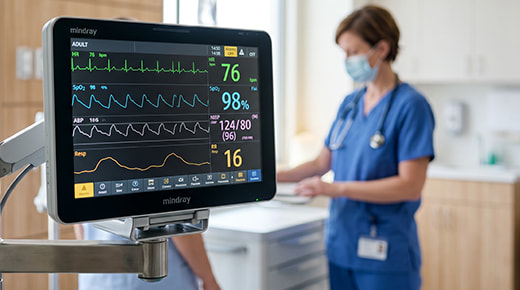
Aster Hospitals provides a safety net for families across the UAE. Our Intensive Care Units are equipped with high-end ventilators and continuous monitoring tools that catch even the smallest change in a patient’s condition. When you need a critical care specialist in Dubai, you are looking for more than just a doctor; you need a team that remains vigilant 24/7. We maintain the highest standards of hygiene to prevent hospital-acquired infections, ensuring that our surgical wards remain a place of healing.
Our critical care department features a diverse group of highly qualified physicians. Each critical care specialist at Aster has extensive experience in handling complex, life-threatening emergencies. They lead a team of dedicated nurses and respiratory therapists who provide the constant, one-on-one attention that sepsis patients require.
It is a life-threatening reaction to an infection that causes your immune system to attack your own organs, leading to widespread tissue damage.
Watch for a very high or very low temperature, shivering, a rapid heartbeat, and sudden mental confusion or slurred speech.
The lungs, kidneys, and liver are usually the first to suffer as blood flow to these vital areas drops during the inflammatory response.
Doctors use a mix of IV fluids, oxygen, powerful antibiotics, and sometimes medications called vasopressors to keep blood pressure steady.
Treatment must start immediately. Every hour of delay increases the risk of permanent damage or death, making early detection vital.
Elderly individuals, very young children, and anyone with a compromised immune system or chronic illness like diabetes are most vulnerable.
It varies by person. While some bounce back in weeks, many require months of therapy to regain their previous level of health and energy.
Last updated: 28-09-2026