
Feeling unusually short of breath or becoming tired after simple everyday activities is not always a normal part of ageing. While these symptoms can have many causes, they may also indicate a problem with your heart. One possible…
Rhinoplasty
Our nose sits at the literal centre of our facial identity. When its structure interferes with breathing or its shape feels out of balance with other features, it impacts both physical health and self-image.
At Aster Hospitals, we combine the delicate artistry of facial aesthetics with the rigorous precision of plastic surgeries. Our surgeons focus on "functional beauty", ensuring that while your nose looks exactly how you envisioned, it also performs its primary biological job perfectly.
In the simplest terms, rhinoplasty is a surgical procedure designed to alter the shape, size, or proportions of the nose. While many identify it purely as a cosmetic "nose job," it serves a much deeper clinical purpose for many patients. We categorise these interventions into two main streams: cosmetic and functional.
At Aster Hospitals, we often perform these simultaneously to ensure a comprehensive recovery.
No two faces are identical, which means no two surgeries should follow the same blueprint. We offer several specialised approaches:
Modern medicine allows us to help a diverse range of patients. You might be an ideal candidate if you have experience:
Understanding the rhinoplasty procedure helps alleviate the natural anxiety associated with surgery. We follow a meticulous, multi-step protocol:
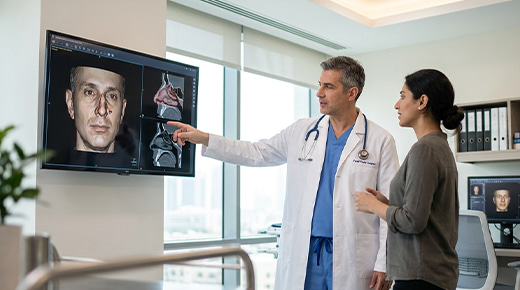
Consultation & Facial Analysis: Your journey begins with a deep dive into your medical history and a physical examination. We use high-resolution imaging to discuss realistic outcomes.
Anaesthesia: To ensure total comfort, we perform the rhinoplasty surgery under general anaesthesia within our sterile, hospital-grade operating theatres.
The Approach: Depending on your specific needs, the surgeon chooses either the open or closed technique.
Reshaping Bone & Cartilage: This is the core of the surgery. We delicately remove or rearrange bone and cartilage. In some cases, we might use "grafts" (small pieces of cartilage from the septum or ear) to reinforce the nasal structure.
Structural support: The reshaped nose is reinforced to maintain its shape over time.
Closing incisions: The incisions are then carefully closed using fine sutures.
Nasal splint placement: A small splint is placed on the outside of the nose to support and protect it during the early healing period.
Healing is a marathon, not a sprint. While every patient heals differently, the general rhinoplasty recovery time follows a predictable pattern. In the first 48 hours, you will likely experience some stuffiness. By the end of week one, we typically remove the external splint.
Most bruising and visible swelling usually settle within 10 to 14 days, so you can get back to work and routine activities without drawing attention. That said, mild residual swelling, especially at the tip of the nose, can take a few months to fully resolve. It’s best to avoid heavy exercise for about four to six weeks, as strain or accidental impact can increase the risk of bleeding.
While we maintain the highest safety standards, any surgical intervention carries inherent risks. Temporary bruising and swelling are common after the procedure, and some patients may notice slight changes in skin sensation.
In rare cases, complications such as infection can occur, or the final appearance may not meet expectations, which might require a revision procedure. Our surgeons discuss these in detail during your pre-operative sessions to ensure you are fully informed.
Selecting the best rhinoplasty doctor is the most critical decision in your surgical journey. Aster Hospitals stands out because we do not treat the nose as an isolated feature. Our team includes the finest rhinoplasty surgeons in Dubai who are dual-trained in both facial aesthetics and the complex anatomy of the airway.
When you choose us for rhinoplasty surgery in Dubai, you gain access to:
Our department features a collaborative team of the finest facial plastic surgeons in Dubai. This multidisciplinary approach towards surgery ensures that the nose is perfectly restructured but also functions with clinical perfection.
Typically, the procedure lasts between 1.5 and 3 hours, depending on the complexity of the structural changes required. This timeframe ensures your surgeon can meticulously sculpt the bone and cartilage without rushing the delicate suturing process.
Yes, if structural repair is part of your surgical plan, breathing usually improves significantly once the internal swelling subsides. We specifically target obstructions like a deviated septum or enlarged turbinates to ensure your airway is as clear as your profile is refined.
Light walking is encouraged early on to promote circulation, but you should wait 4 to 6 weeks before engaging in heavy lifting or contact sports. Increasing your heart rate or blood pressure too early can exacerbate swelling and potentially delay the delicate healing of the nasal tissues.
While we aim for clinical and aesthetic perfection the first time, approximately 5% to 10% of patients globally may seek minor refinements after the initial healing is complete. Our surgeons focus on robust structural support during the primary surgery to minimise the likelihood of needing any future adjustments.
In Dubai, health insurance typically covers "medically necessary" procedures. However, purely cosmetic reshaping is considered an elective procedure and usually requires an out-of-pocket payment. We recommend a clinical evaluation at Aster Hospitals to document any functional impairments, which can then be submitted to your provider for a coverage determination.
Last updated: 06-07-2026