
We all want a smile that we can wear with pride. However, sometimes we can lose our natural, beautiful smiles for several reasons. Maybe you chipped a tooth on a hard piece of food, your morning coffee has finally caught up with…

Congenital Heart Disease
Expectant parents often feel a wave of anxiety when they hear concerns regarding their child’s heart health. An Early diagnosis and expert care can significantly improve outcomes, helping children lead healthier and more active lives.
At Aster Hospitals, we bridge the gap between world-class medical innovation and the gentle care your child deserves to support children diagnosed with congenital heart disease. We provide comprehensive congenital heart disease treatment using advanced technology to ensure every infant has the best start in life.
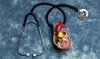
Congenital heart disease (CHD) describes structural differences in the heart that are present from birth. These conditions arise during foetal development, when the heart or the blood vessels around it form along an atypical pattern. The structural variations may involve the heart's walls, its valves, or the major arteries, and they shape the way blood moves through the body after delivery.
Early detection improves positive outcomes in this case. We have observed many cases that are picked up during routine prenatal scans or soon after birth. Despite the terminology, most conditions can be treated or corrected, and children can go on to live normal, active lives.
There is a broad spectrum in congenital heart disease, ranging from simple "holes" in the heart to complex structural abnormalities affecting blood flow.
At our facility, we specialise in managing:
Recognising congenital heart disease early in a baby makes a meaningful difference to long-term health. Some defects produce only minimal outward signs during the first weeks. Others present physical cues that merit a parent's prompt attention, for instance, an infant who breathes with visible effort during routine activities, or who tires rapidly partway through a feed. In these situations, seeking specialist assessment at the earliest opportunity supports the best possible outcome.
Other warning signs include a bluish hue on the lips or fingernails (cyanosis) and a persistent failure to gain weight. If your family doctor detects a heart murmur during a routine check-up, they will likely refer you to a specialist for a congenital heart disease diagnosis. Our experts provide the clarity and diagnostic accuracy needed to put your mind at ease.
Aster Hospitals is a premier pediatric and neonatology hospital in Dubai, offering a sanctuary of healing for our youngest patients. Our team of leading paediatricians and neonatologists in dubai ensures that every newborn receives a thorough screening. We combine clinical excellence with a deep understanding of parental concerns.
We use high-resolution echocardiography to map every detail of a child’s heart. Selecting the right congenital heart disease hospital is a pivotal decision for any family. By following evidence-based international protocols, we ensure that every treatment plan matches the highest global standards of safety and efficacy.
Our facilities in Mankhool, Al Qusais, Jebel Ali, and Muhaisnah provide cutting-edge diagnostic suites and comprehensive treatment for congenital heart diseases.
A successful recovery depends on a collaborative effort by experts. Our paediatric cardiologist in Dubai works alongside highly trained surgeons to deliver precision care. The team includes:
Paediatricians: Primary care doctors who monitor your child’s overall growth and development.
Paediatric Cardiologists: Experts in diagnosing and managing heart rhythm and structural issues.
Cardiac Surgeons: Specialists who perform delicate corrective procedures when necessary.
It is a structural heart problem that develops before birth. This eventually affects the heart's valves, walls, or the vessels that carry blood.
Yes, most cases are highly treatable. Depending on the severity, treatments range from regular monitoring and medication to minimally invasive catheter procedures or corrective surgery.
Surgery becomes necessary if the heart defect hinders the child’s growth, causes dangerously low oxygen levels, or puts excessive strain on the heart muscle that medication cannot manage.
Genetics can play a crucial role. In most cases, CHD occur spontaneously without a clear hereditary link. However, a family history of heart defects may slightly increase the risk.
The Ventricular Septal Defect (VSD) is one of the most common congenital heart defects. This is a hole in the wall that separates the heart's lower chambers.
Parents should look for rapid breathing, sweating during feeds, blue-tinted skin, and poor weight gain in their babies. In older children, shortness of breath during exercise is a common sign.
A specialist confirms the diagnosis with a physical exam and an echocardiogram (an ultrasound of the heart), which allows the doctor to see the heart’s structure and function in real time.
Last updated: 07-10-2026