

Your heart depends on a steady flow of oxygen-rich blood to keep working properly. When the arteries that supply your heart become blocked, simple daily activities can suddenly become difficult, and symptoms like chest pain or…
Cardiac Surgery
Heart surgery is a daunting prospect. It is not just about fixing a mechanical pump. It is about protecting the core of a person's life and their future when the heart fails to function as it should, whether due to blocked arteries, diseased valves, or structural defects. The impact is profound.
At Aster Hospitals UAE, our department of cardiac surgery combines exceptional surgical expertise with genuine human compassion. We provide advanced surgical cardiac care designed to repair the heart valve and restore its function. Our cardiac surgeons will help you return to a life unhindered by cardiovascular disease.
Cardiac surgery encompasses a broad spectrum of surgical interventions aimed at treating conditions affecting the heart and the great vessels. It isn't a single operation. It's a collection of very different procedures, each matched to a specific problem in the heart or major blood vessels.
The primary goals of cardiac surgery are to:
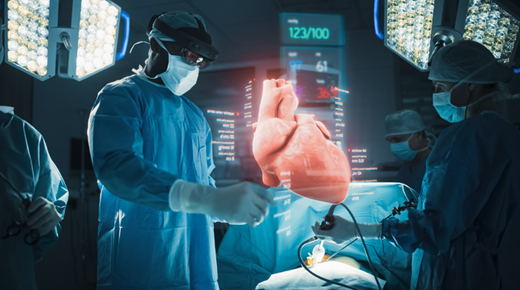
Our surgical teams work in highly coordinated environments, utilising cutting-edge technology to ensure the highest standards of safety and precision during every operation.
Thoracic surgery is a specialised field focused on the diagnosis and surgical treatment of conditions affecting the chest, including the lungs, oesophagus, mediastinum, chest wall, and diaphragm. It encompasses a range of procedures, from minimally invasive techniques to complex surgeries, aimed at improving respiratory function, relieving symptoms, and treating both benign and malignant conditions.
Types of Thoracic Surgeries
VATS (Video-Assisted Thoracic Surgery)
Thoracic Emergencies
Every patient is assessed by a multi-modality approach, and the best treatment option is advised. You might need surgical cardiac services if you are suffering from severe coronary artery disease, where multiple vessels are blocked, putting you at high risk for a major heart attack.
Others may require surgery for heart valve disease, where valves have become dangerously narrowed (stenosis) or leaky (regurgitation). Patients with an enlarged or weakened aorta (aortic aneurysm) or those experiencing complications from previous heart surgeries also require the specialised attention of a cardiac surgeon.
Our cardiac surgery services cover the full spectrum of adult cardiac care:
Heart surgery is a major operation, and recovery takes time. For the first day or two, patients are monitored closely in the Cardiothoracic Intensive Care Unit. When they're stable, they move to a step-down ward. That is less intensive, but still monitored, with early movement encouraged as soon as it's safe.
Most patients go home on the 4th or 5th postoperative day. For the first six to eight weeks, driving and heavy lifting are off limits. After 4 weeks, patients are advised to fully return to their normal routine, including driving and weight lifting.
Serious heart care involves more moving parts than most people expect. The surgery itself needs a master surgeon. The post-op care needs a specialised intensive care team. And the long-term management needs a dedicated cardiac team in Dubai.
At Aster Hospitals, our surgeons, anesthesiologists, intensivists, and rehabilitation specialists are working on the same case. For patients going through the anxiety of major heart surgery, that joined-up structure is less about convenience and more about not falling through the gaps between departments.
Recognised as the leading cardiology hospital in Dubai, we provide a level of integrated care that is unmatched. Moreover, patients can visit our facilities spread across multiple locations in the city, including Mankhool, Al Qusais, Jebel Ali, and Muhaisnah.
Our cardiac surgeons are specialists in complex cardiovascular anatomy and advanced surgical techniques. They have extensive experience performing intricate bypass procedures, delicate valve repairs, and emergency aortic surgeries. Their surgical plan for each patient is worked out individually, because cardiac anatomy, disease progression, and a patient's overall health are rarely the same twice.
On-pump surgery uses a heart-lung machine to temporarily take over the heart's function, allowing the surgeon to operate on a still, bloodless heart. Off-pump (beating heart) surgery is performed while the heart is still beating, using specialised stabilisers.
We avoid any artificial machine inside the heart. The recovery is faster, and ICU stay is shorter. Patients return to normal activities within 3-4 days after surgery. Blood requirement is negligible. Stroke rate is negligible. On pump surgery, the disadvantages are that bleeding is more likely because higher quantities of blood-thinning medicines are used. ICU stay is prolonged. Recovery is delayed. Damage to multiple organs of the body, including the brain and kidneys, can happen. Stroke rate is higher. The blood requirement is higher, and the infection rate is higher.
It depends on the patient's type of valve. Biological valves made from cow or pig tissue generally last 10 to 15 years, and the upside is no blood thinners. Mechanical valves can last a lifetime, but patients have to take blood-thinning medication every day, indefinitely.
Yes. For eligible patients, MICS is just as safe and effective as traditional open surgery, but with the added benefits of smaller incisions, a lower risk of infection, less pain, and a much quicker return to daily activities.
Minimal pain around the incision and chest wall is normal. That's expected with any major surgery. Pain tends to ease off within the first week; what's left is usually a dull soreness while the breastbone heals, which may take 4-6 weeks.
Last updated: 15-07-2026